Microbial Fertilizers
 Cropenta in 60 seconds

Technical
Expertise

Specialized
Inputs

Long-Term
Partnerships

Sustainable
Solutions
Endophytes plant symbiosis processes
Endophytes-plant-symbiosis processes in specialty-fertilizer development
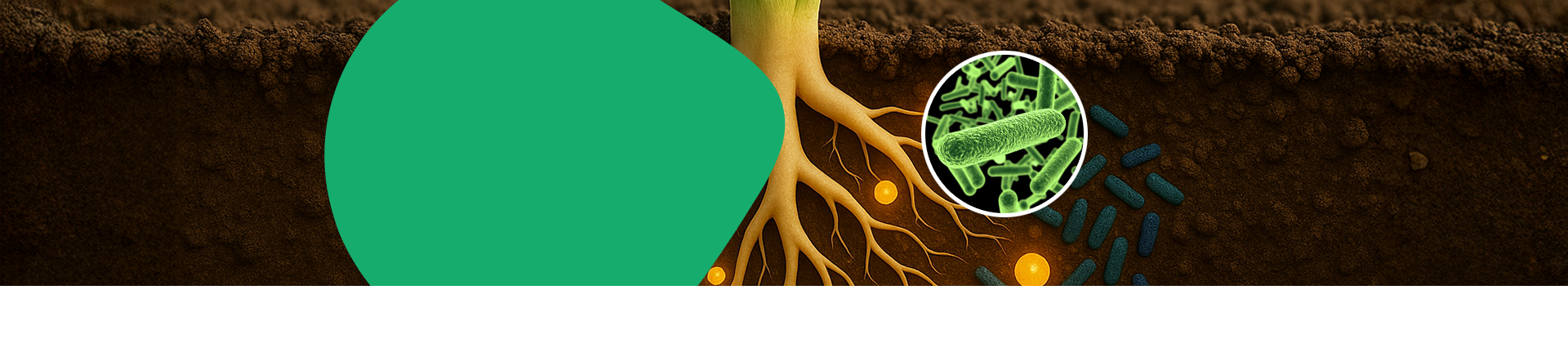
Endophytes-plant-symbiosis processes refer to the natural interactions between endophytic microbes and the plant tissues in which they reside. Endophytes live in leaves, stems, roots, and vascular tissue, where they adapt to microenvironments characterized by variable concentrations of carbon compounds, organic acids, and secondary metabolites. These interactions form the basis for the use of endophytes as raw materials or end products in specialty fertilizers and biostimulants. For formulators and R&D teams, these processes are relevant as they provide insight into the stability, processability, and integration of endophytes into diverse formulation platforms.
Microenvironments within plant tissues
Endophytes reside in microenvironments that are markedly different from the external rhizosphere. Within plant tissues, they are exposed to limited oxygen levels, varying pH values, sugars, phenols, and other metabolites produced by the plant. These conditions influence the physiology of endophytes and determine which metabolites they produce. This is relevant for specialty-fertilizer development as the properties of endophyte inputs — such as solubility, stability, and carrier suitability — are partly determined by their natural interactions with plant tissue components.
Interactions with root architecture and rhizosphere structures
Endophytes interact with root architecture via contact with epidermal cells, cortex tissue, and vascular structures. These interactions are influenced by plant metabolites, root secretions, and microbial signaling molecules. In specialty fertilizers, these processes are studied to determine how endophytes can be integrated into formulations targeted at root zone processes. Technical parameters such as sedimentation behavior, pH tolerance, compatibility with fertilizer salts, and stability in WSF/WSG systems play a central role.
Metabolite exchange between endophytes and plants
During symbiosis processes, a continuous exchange of metabolites occurs between endophytes and plant tissues. Endophytes produce organic acids, aromatic compounds, peptides, and polysaccharide fragments, while plants supply sugars, amino acids, and secondary metabolites. This exchange influences microbial activity and metabolite profile composition. For formulators, this is relevant as metabolite extracts and fermented fractions derived from endophytes are often used as raw materials in specialty fertilizers and biostimulants.
Symbiosis processes in substrate and hydroponics systems
In substrate and hydroponics environments, endophytes are exposed to highly controlled physicochemical conditions. The interactions between endophytes and plants differ here from those in soil environments, due to differences in water availability, ion concentrations, oxygen levels, and organic components. For specialty-fertilizer producers, understanding how endophytes behave in these systems is important, as it affects solubility, stability, sedimentation, and compatibility with other formulation components.
Formulation-technical relevance of symbiosis processes
Knowledge of endophytes-plant-symbiosis processes is used to determine how endophytes can be integrated into specialty fertilizers. Parameters such as pH behavior, salt tolerance, carrier selection, viscosity, filtration behavior, and storage stability are influenced by the natural properties of endophytes and their metabolites. These insights help formulators select suitable carriers, stabilizers, and compatible components for liquid and dry formulations.
Application in specialty fertilizers
Endophytes-plant-symbiosis processes form a basis for the use of endophytes in root zone-focused fertilizers, biostimulants for intensive cultivation, substrate-specific formulations for rock wool and coconut, hydroponics-focused blends, and solutions for recirculation systems in high-tech greenhouses. The technical integration of endophytes requires a thorough assessment of formulation parameters, storage conditions, and processing methods.
Source reference
Based on general insights from sector publications and scientific literature on endophytic microbes and plant-microbe interactions, including a technical overview published by FFTC-AP (2023).
Disclaimer
This text describes only general biological processes and formulation-technical properties of endophytes-plant-symbiosis processes. No claims are made about performance, effects, or specific application results. The information is intended for B2B use by formulators, distributors, and producers of specialty fertilizers. Users are responsible for compliance with local legislation, product registration, and application guidelines.