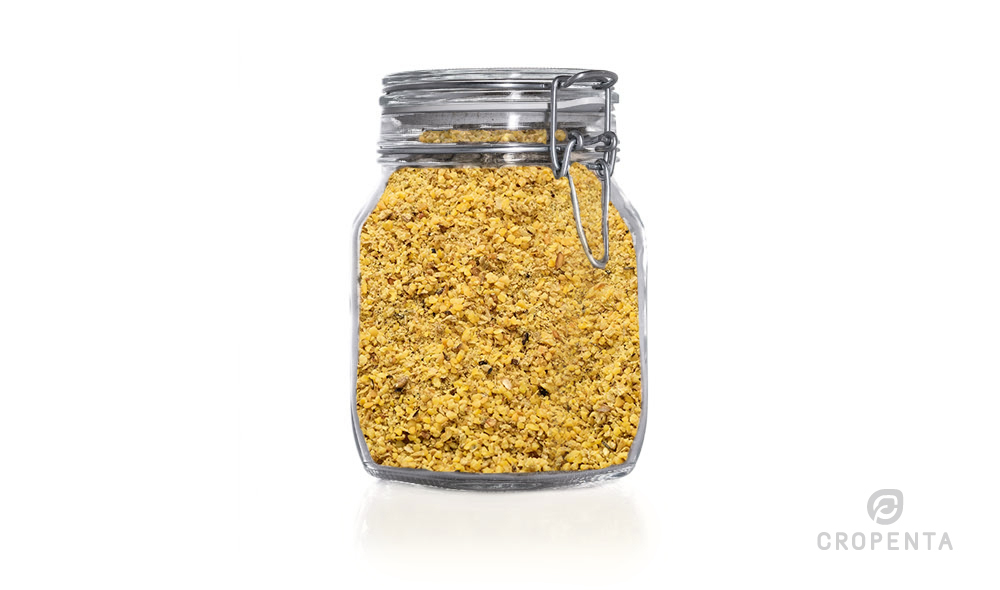
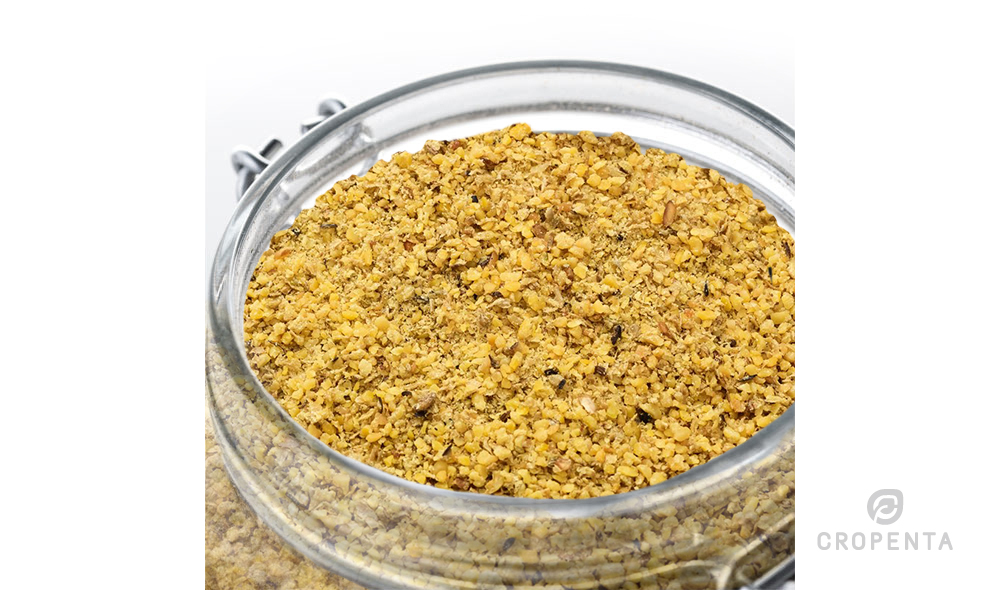
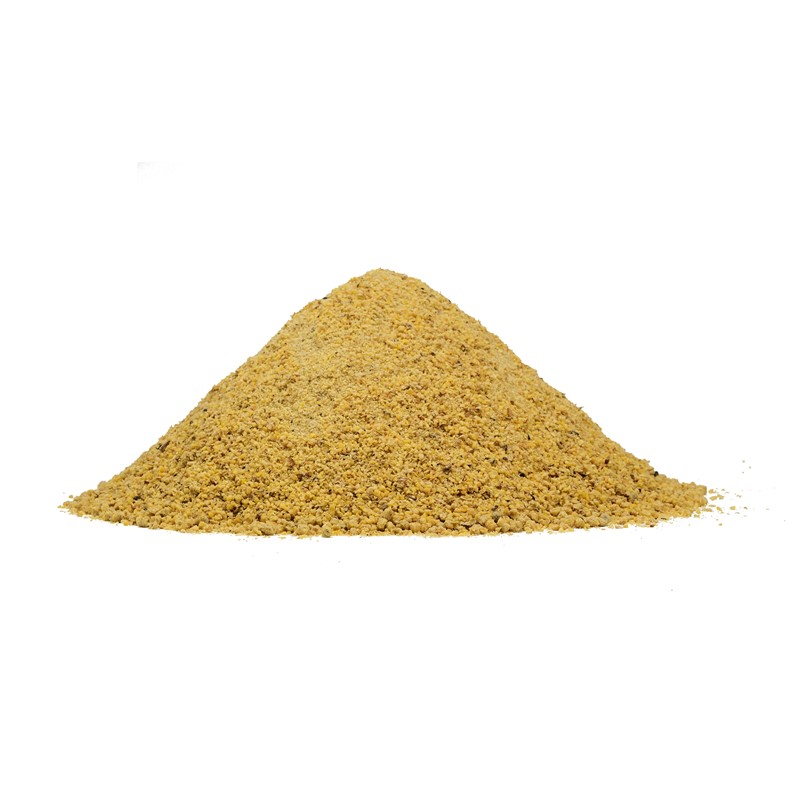
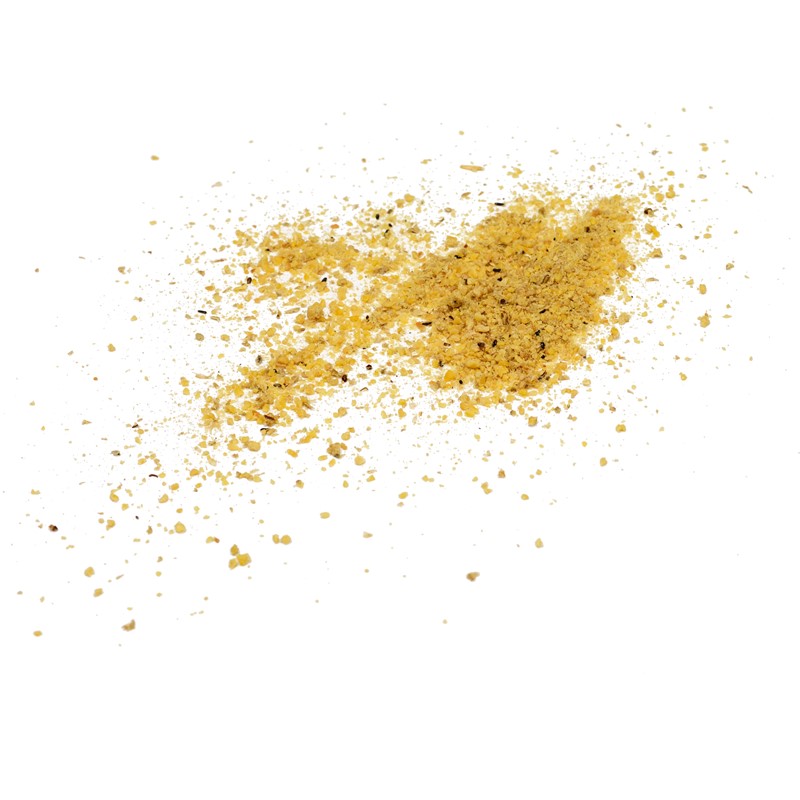
Full-Fat Toasted & Extruded Soybeans
Soybean Protein And Natural Energy For Pigs
Summary
- Toasted and extruded full-fat soybeans for piglet and swine nutrition
- Combines soybean protein and naturally occurring oil in one ingredient
- Contains 358 g/kg crude protein and 203 g/kg crude fat
- Supplies essential amino acids, including 18.2 g/kg SID lysine for pigs
- Provides a specified net energy value of 12.7 MJ/kg for pigs
- Achieved 91% faecal fat digestibility in a study with growing-finishing pigs
- Evaluated in post-weaning piglet diets
- Can be used in formulations as an alternative to soybean meal combined with added vegetable oil
- May also be considered for selected petfood formulations
Full-Fat Toasted & Extruded Soybeans for Piglet and Swine Nutrition
Full-Fat Toasted & Extruded Soybeans combine soybean protein and naturally occurring soybean oil in one concentrated feed ingredient. The product provides a practical combination of protein, essential amino acids and energy for piglet and swine diets.
With 358 g/kg crude protein, 203 g/kg crude fat and 18.2 g/kg standardised ileal digestible (SID) lysine for pigs, the ingredient offers nutritionists a combined protein-and-energy source for feed formulation. The product specification lists a net energy value of 12.7 MJ/kg for pigs.
Unlike conventional soybean meal, full-fat soybeans retain their natural oil fraction. The product can therefore be evaluated as an alternative to a combination of soybean meal and separately added vegetable oil, depending on the nutritional requirements and composition of the complete feed.
Natural Protein and Energy in One Ingredient
The nutritional value of full-fat soybeans comes from the combination of soybean protein and retained soybean oil. The protein fraction supplies essential amino acids, while the natural oil contributes dietary energy and linoleic acid.
The product contains 358 g/kg crude protein, 203 g/kg crude fat and 106 g/kg linoleic acid. Its specified amino acid profile includes 22.5 g/kg total lysine, 5.1 g/kg methionine, 14.2 g/kg threonine and 4.7 g/kg tryptophan.
For pig feed formulation, the product provides 18.2 g/kg SID lysine, 4.3 g/kg SID methionine, 7.9 g/kg SID methionine plus cystine, 10.9 g/kg SID threonine and 4.0 g/kg SID tryptophan.
This combination allows nutritionists to evaluate the ingredient on its contribution to digestible amino acids, fat and energy rather than crude protein content alone.
Toasting and Extrusion for Nutritional Quality
Raw soybeans naturally contain anti-nutritional factors, including trypsin inhibitors, which can interfere with protein digestion. The product undergoes toasting and extrusion to reduce these limiting factors and improve the nutritional accessibility of the soybean.
During processing, heat and mechanical treatment modify the soybean structure. This makes the naturally occurring oil more accessible while preparing the protein fraction for use in animal feed.
The balance of processing conditions is important. Sufficient treatment is required to reduce heat-sensitive anti-nutritional factors, while excessive heat can negatively affect protein quality. The objective is to obtain a processed full-fat soybean ingredient that retains its nutritional value.
High Fat Digestibility and Concentrated Energy
Schothorst Feed Research evaluated the nutritional value of the tested full-fat soybean product in a digestibility study conducted in 2011 with growing-finishing pigs weighing approximately 60–85 kg.
The study determined a net energy value of 13.05 MJ/kg using the CVB 2005 calculation equation. The historical CVB reference value for toasted soybeans was 11.98 MJ/kg.
Measured faecal fat digestibility was 91%, compared with a historical reference value of 85%. This result is particularly relevant to the product's role as a source of naturally occurring soybean oil and dietary energy.
The study also reported 88% protein digestibility and determined ileal amino acid digestibility values for the tested ingredient.
The historical CVB values were reference data rather than measurements from a second soybean treatment within the same experiment. The reported results describe the nutritional value of the tested product under the study conditions.
The standard product specification lists 12.7 MJ/kg net energy for pigs. This formulation value is distinct from the 13.05 MJ/kg determined in the 2011 research study.
Evaluated in Post-Weaning Piglet Diets
Feed Innovation Services conducted a 28-day feeding trial in 2016 to evaluate processed soybean ingredients in diets for newly weaned piglets. The study compared a control diet with diets containing extruded or expanded soybeans.
The trial included eight pens of twelve piglets per dietary treatment. Piglets were approximately 25 days old at weaning.
The extruded-soy diets contained 12.5% of the ingredient during the prestarter phase, from day 0 to day 14, and 17.5% during the starter phase, from day 15 to day 28.
The trial provides practical information on the inclusion of the tested extruded full-fat soybean ingredient in post-weaning feed formulations. The results relate to the complete experimental diets and the conditions under which the study was conducted.
Key Nutritional Advantages for Piglets and Pigs
- Combines soybean protein and naturally occurring soybean oil in one feed ingredient.
- Provides 358 g/kg crude protein and 203 g/kg crude fat.
- Supplies essential amino acids, including 18.2 g/kg SID lysine for pigs.
- Contains 106 g/kg linoleic acid from the natural soybean oil fraction.
- Provides a specified net energy value of 12.7 MJ/kg for pigs.
- Delivered 13.05 MJ/kg net energy in the 2011 digestibility study with growing-finishing pigs.
- Achieved 91% faecal fat digestibility in the same study.
- Undergoes toasting and extrusion to reduce anti-nutritional factors and improve access to the natural oil fraction.
- Has been evaluated in post-weaning piglet diets at 12.5% inclusion in the prestarter phase and 17.5% in the starter phase.
- Can be evaluated as a combined alternative to soybean meal and separately added vegetable oil.
A Practical Alternative to Soybean Meal and Added Oil
Conventional feed formulations may combine soybean meal as a protein source with separately added vegetable oil to meet dietary energy requirements. Full-Fat Toasted & Extruded Soybeans supply both nutritional fractions within one ingredient.
This allows nutritionists to evaluate the product against the combined contribution of soybean meal and added oil. The comparison should account for crude protein, SID amino acids, fat content, net energy and the nutritional requirements of the complete feed.
The product's economic contribution depends on current ingredient prices and the formulation being evaluated. Its combined protein-and-energy composition provides an additional option when selecting and balancing feed ingredients.
Indicative Inclusion Rates for Swine
The product specification provides the following general inclusion guidance:
- Piglets: 7–15% of the complete feed.
- Sows: 10–15% of the complete feed.
In the 2016 piglet trial, the tested extruded-soy ingredient was included at 12.5% during the prestarter phase and 17.5% during the starter phase. These experimental levels should be distinguished from the general inclusion guidance in the product specification.
The appropriate inclusion level depends on the complete feed formulation and the nutritional requirements of the animals.
Additional Potential in Petfood
Full-Fat Toasted & Extruded Soybeans may also be considered for selected petfood formulations requiring a combination of vegetable protein and energy.
The ingredient supplies soybean protein, naturally occurring oil and essential amino acids. Its suitability for a particular petfood application must be assessed according to the target species and the nutritional requirements of the complete formulation.
The available product-specific research concerns pigs. Petfood-specific digestibility, palatability and performance effects have not been established by the supplied studies.
Typical Nutritional Specifications
The following values are taken from the supplied product specification and are expressed per kilogram of product as supplied.
Proximate Composition and Energy
- Dry matter: 900 g/kg
- Crude protein: 358 g/kg
- Crude fat: 203 g/kg
- Crude fibre: 61 g/kg
- Crude ash: 46 g/kg
- Starch: 63 g/kg
- Sugar: 76 g/kg
- Linoleic acid: 106 g/kg
- Net energy for pigs: 12.7 MJ/kg
Minerals
- Calcium: 2.0 g/kg
- Phosphorus: 5.2 g/kg
- Digestible phosphorus for pigs: 2.1 g/kg
- Sodium: 0.1 g/kg
- Potassium: 17.4 g/kg
- Magnesium: 3.3 g/kg
- Chloride: 0.3 g/kg
Total Amino Acids
- Lysine: 22.5 g/kg
- Methionine: 5.1 g/kg
- Methionine + cystine: 10.5 g/kg
- Threonine: 14.2 g/kg
- Tryptophan: 4.7 g/kg
Standardised Ileal Digestible Amino Acids for Pigs
- SID lysine: 18.2 g/kg
- SID methionine: 4.3 g/kg
- SID methionine + cystine: 7.9 g/kg
- SID threonine: 10.9 g/kg
- SID tryptophan: 4.0 g/kg
These values represent the figures in the supplied product specification. Detailed technical documentation should be used for final feed formulation.
Storage and Shelf Life
Store the product in a cool, dry and well-ventilated environment. Protect it from moisture, direct sunlight, excessive heat and contamination.
The supplied specification describes a shelf life of several months under suitable dry-storage conditions. The applicable shelf life should be confirmed against the documentation accompanying the supplied product.
Product Information and Availability
Detailed nutritional specifications and commercial information are available upon request from Cropenta.
Research information: The Schothorst Feed Research study was conducted in 2011 with growing-finishing pigs. The Feed Innovation Services trial was conducted in 2016 with post-weaning piglets. Research results relate to the specific ingredients, diets and experimental conditions evaluated. Nutritional values are based on the supplied product specification.


How can we assist you?