Microbial Fertilizers
 Cropenta in 60 seconds

Technical
Expertise

Specialized
Inputs

Long-Term
Partnerships

Sustainable
Solutions
Microbial root stimulation
The role of microbial root stimulation in modern cultivation systems
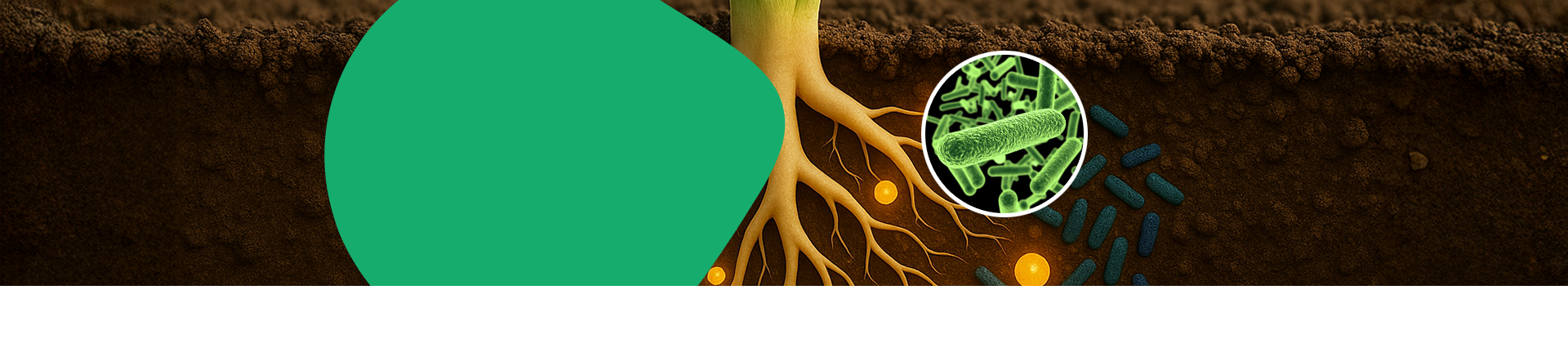
Microbial root stimulation refers to the use of microorganisms that activate and modulate processes in the root zone. These microbes influence root growth, root hair formation, rhizosphere activity and uptake capacity. They are applied by producers of specialty fertilizers, biostimulants, and formulations aimed at root optimization. For high-quality raw materials and formulation applications, companies can contact via the Cropenta contact form or view the online offer on the website.
Microbial root stimulation is relevant in greenhouse horticulture, hydroponics, substrate cultivation, open-field systems, and regenerative agriculture. The microbes enhance the interaction between roots and the rhizosphere, making the root zone more active, functional, and efficient.
Why microbial root stimulation is important
Root stimulation largely determines the uptake capacity and physiological stability of a cultivation system. Microbial inputs support this by:
- activating rhizosphere processes that stimulate root growth
- promoting root hair formation and root branching
- improving uptake capacity in substrate and soil systems
- enhancing microbial interactions that influence root architecture
- optimizing the micro-environment around the roots
- supporting root colonization by beneficial microorganisms
These processes are relevant for companies working on root-targeted specialty fertilizers, transplantation formulations, and substrate-specific biostimulants.
How microorganisms support root stimulation
Biochemical activation of root growth
Microorganisms produce natural growth substances, enzymes, and signal molecules that modulate root growth. These biochemical pathways influence cell division, root expansion, and root architecture. This makes microbial inputs valuable in young plant formulations and transplantation programs.
Rhizosphere activation
Microbes activate the rhizosphere by producing organic acids, enzymes and metabolites that make the root environment more dynamic. These processes improve nutrient availability and stimulate root growth in both soil and substrate systems.
Root hair formation and uptake surface
Microbial inputs stimulate the formation of root hairs, increasing the uptake surface and enhancing the efficiency of water and nutrient uptake. This is especially important in systems with limited root space, such as rock wool, coconut and hydroponics.
Root colonization and microbial interactions
Microbes colonize the root zone and form functional micro-niches that contribute to biological stability. This colonization supports processes that enhance root growth, uptake efficiency, and rhizosphere functionality. For producers of specialty fertilizers, this is an important mechanism that directly contributes to product performance.
Optimization of uptake processes
By activating the root zone and improving root structure, microbes contribute to more efficient uptake of water, phosphate, potassium, and micronutrients. This is especially relevant in intensive cultivation systems where uptake peaks and nutrient fluctuations are common.
Application of microbial root stimulation
- greenhouse horticulture and high-tech greenhouse production
- hydroponics and recirculation systems
- substrate cultivation such as rock wool and coconut
- open-field cultivation with root-intensive crops
- specialty fertilizers aimed at root optimization
- biostimulants for root growth and transplantation
Benefits for companies developing root-targeted inputs
- supports formulations focused on root architecture and uptake efficiency
- increases the functional value of existing biostimulants
- suitable for integration in substrate and hydroponics programs
- relevant for product lines focused on young plants and root development
- valuable for markets where root health is a strategic theme
Commercial relevance for buyers and distributors
- suitable for companies developing root-targeted biostimulants or specialty fertilizers
- valuable for producers integrating microbial technology into root optimization programs
- interesting for distributors active in greenhouse horticulture, hydroponics, and substrate cultivation
- relevant for R&D teams developing formulations for root activation and rhizosphere processes
- suitable for white-label and private-label product lines focused on root stimulation
- can be deployed in portfolios for intensive cultivation systems with high uptake needs
- valuable for international markets where root health determines cultivation stability