
Premium Microbial Fertilizer
Next‑Generation Microbial Fertilizer for Professional Growers
Summary
- Extremophile microbial strain with high tolerance to salt, pH and temperature for exceptional formulation stability.
- Dual colonization in both rhizosphere and internal plant tissues for consistent microbial activity.
- Multifunctional nutrient support including natural nitrogen processes, P & K mobilization and micronutrient interaction.
- Active production of natural metabolites that support balanced growth and root development.
- Biofilm formation that enhances root zone stability, moisture retention and microbial persistence.
- Supports plant performance under abiotic stress such as salinity, drought and fluctuating environmental conditions.
- Highly compatible microbial fertilizer suitable for integration into existing fertilization programs and tank mixes.
Unique formulation based on organic fermentation
This microbial fertilizer is developed using a naturally occurring endophytic strain cultivated in an organic fermentation matrix. The matrix contains natural carbon sources, organic acids and bioactive metabolites that support microbial vitality and rapid activation. The formulation delivers a stable and highly active microbial population suitable for a wide range of crops and cultivation systems. Its natural composition allows seamless integration into existing nutrient programs without additional preparation.
Extremophile characteristics for maximum stability
The microbial strain originates from extremophilic environments, enabling it to thrive under challenging agricultural conditions. It tolerates up to 15% salt, a pH range of 4 to 12 and temperatures from 2°C to 60°C. These halophilic, thermophilic and alkaliphilic traits ensure exceptional stability during storage, mixing and application. This robustness makes the microbial fertilizer reliable in high‑tech greenhouses, open‑field production and regions with fluctuating water quality.
Endophytic and rhizosphere colonization
The microbe is capable of colonizing both the rhizosphere and internal plant tissues. This dual presence allows close interaction with natural physiological processes above and below ground. Endophytic colonization supports a stable microbial presence throughout the plant’s growth cycle. In the rhizosphere, the culture remains active around the root zone even under variable environmental conditions.
Multifunctional microbial activity
Natural nutrient mobilization - The microbial strain supports natural nitrogen processes, including atmospheric nitrogen utilization and ammonification of organic matter. It also contributes to the mobilization of phosphorus and potassium through organic acid secretion. These interactions help optimize nutrient availability already present in the growing environment. This supports efficient nutrient use across different crop types.
Micronutrient interaction - The culture produces siderophores that naturally support iron availability and homeostasis. It also contributes to the solubilization of micronutrients such as zinc, manganese, copper and molybdenum. This helps maintain a balanced micronutrient profile in the root zone. A more accessible nutrient environment supports steady and uniform plant development.
Phytohormone‑related processes - The microorganisms interact with natural plant processes related to auxins, cytokinins and gibberellins. These interactions support balanced growth and root development without synthetic additives. The culture aligns with the plant’s natural metabolic rhythms, contributing to steady development. This results in a more predictable and uniform growth pattern across different cultivation stages.
Support under abiotic stress conditions
Salt and osmotic stress - The microbial culture supports natural mechanisms related to ion balance and osmotic regulation. It contributes to the production of osmoprotective compounds that help plants function under elevated EC conditions. These interactions make the microbial fertilizer suitable for areas with saline irrigation water. The formulation performs reliably even when EC levels fluctuate during the season.
Drought and water management - The microorganisms form natural biofilms that support soil aggregation and moisture retention around the root zone. They also produce metabolites such as IAA and VOCs that support root elongation and access to water. These natural processes help maintain plant activity during periods of limited water availability. This makes the microbial fertilizer valuable in both open‑field and protected cultivation.
Active rhizosphere functionality
Biofilm formation - The culture forms stable biofilms on root surfaces, creating a protective and active microbial environment. These biofilms help maintain moisture and support microbial persistence around the root zone. This contributes to a more efficient nutrient interaction environment. The result is a more resilient and active rhizosphere.
Root development support - Natural signaling molecules and enzymes produced by the culture support root branching and overall root activity. This leads to a more extensive and efficient root system capable of exploring a larger soil volume. A stronger root structure contributes to consistent performance throughout the season. This supports better access to nutrients and water in diverse growing conditions.
Organic matter transformation - The microorganisms contribute to the natural breakdown of organic material through enzymes such as phytase and amylase. This supports nutrient cycling and improves root accessibility to organic nutrient sources. Over time, this contributes to improved soil structure and biological activity. The result is a more balanced and productive growing environment.
Formulation stability and compatibility
The formulation is designed for practical use in professional cultivation systems and remains stable under a wide range of conditions. Its extremophile characteristics ensure that the microbial population stays active even when mixed with complex nutrient solutions. The product can often be combined with foliar fertilizers, nutrient solutions, biostimulants and various chemical inputs. A small‑scale compatibility test is recommended to confirm optimal mixing.
Flexible application in professional cultivation
The microbial fertilizer can be applied through fertigation, irrigation systems, root drenching, foliar spraying or by dipping plant material. The culture colonizes root surfaces and internal tissues quickly due to its high vitality. This makes it suitable for use throughout different stages of the crop cycle. It adapts well to both soil‑based and soilless systems.
Ready for professional distribution
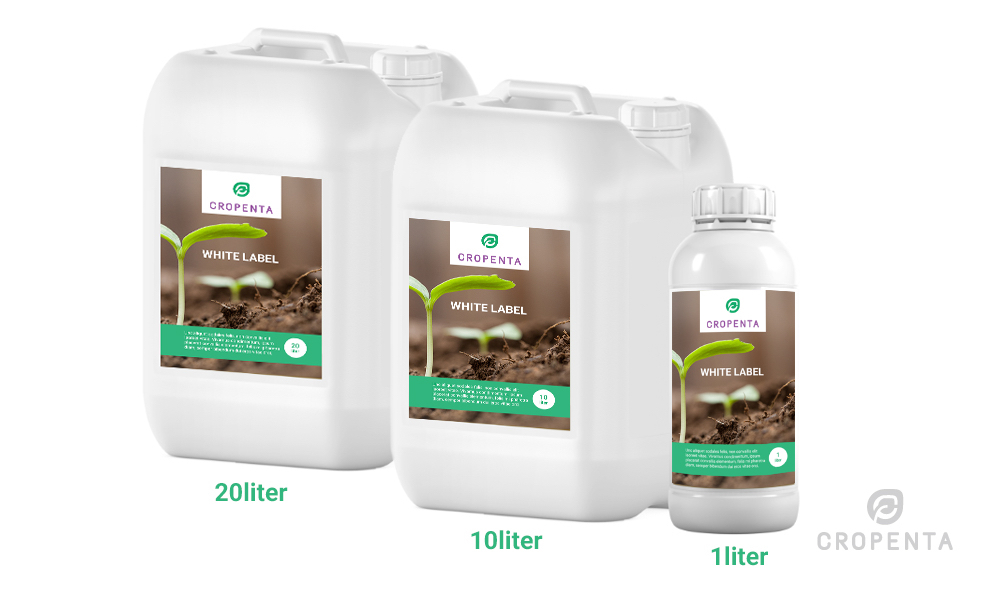
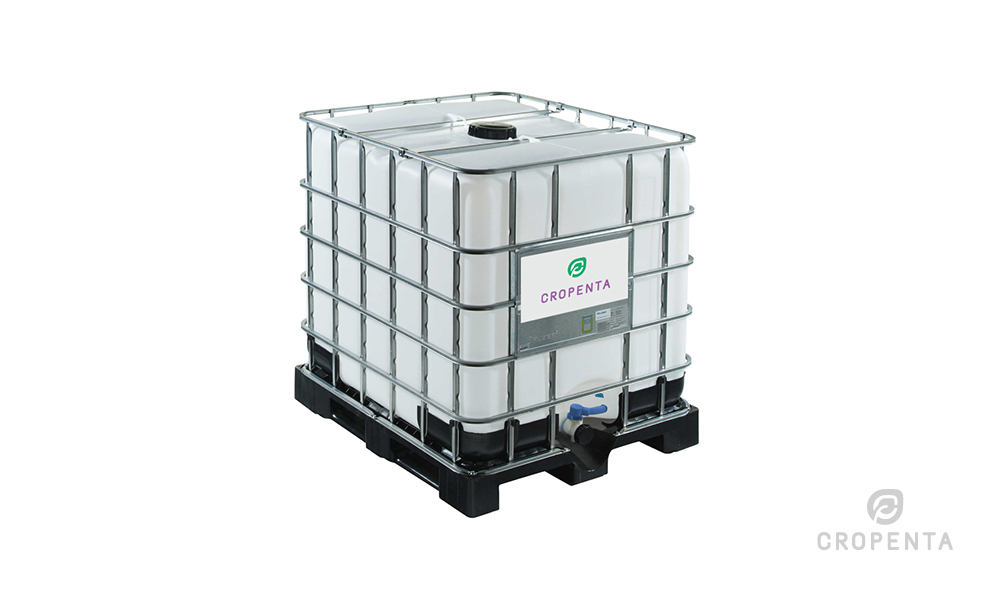
The microbial fertilizer is supplied as a complete, finished formulation suitable for integration into professional product portfolios. It can be supplied under the producer’s label or as a whitelabel option depending on market needs. This provides flexibility for distributors in branding and positioning. Packaging options include 1 L, 5 L, 10 L, 20 L and IBC containers.


How can we assist you?