Why Amino Acids are Crucial for Plant Protein Synthesis and Quality
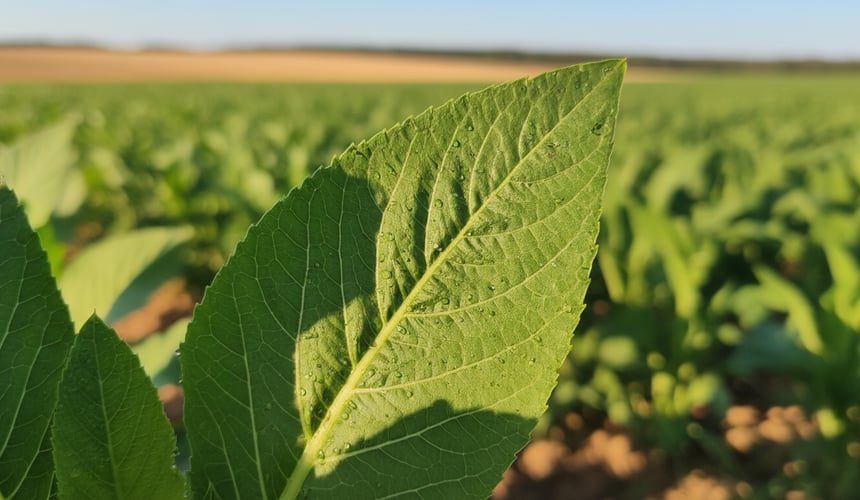
Plants exhibit a remarkable biological capability distinguishing them from humans and animals: they can synthesize all 21 proteinogenic amino acids from fundamental precursors themselves [1]. These amino acids are pivotal for plant life, serving as the essential building blocks for protein synthesis, which in turn influences various aspects of plant growth, development, and overall crop quality. The intricate interplay between amino acid availability and protein production is central to how plants develop and respond to their environment [1, 2].
Cropenta Insight
Understanding the precise role of amino acids in protein synthesis is crucial for optimizing crop nutrition strategies. Their availability directly affects nitrogen metabolism and the efficiency with which plants convert nitrogen into essential proteins. Recognizing the impact of amino acid profiles in raw materials can inform the development of specialized fertilizers and biostimulants designed to support these fundamental plant processes under diverse cultivation conditions.
The Biochemical Foundation of Plant Proteins
Proteins are macromolecules performing a vast array of functions within plants, from enzymatic catalysis and structural support to transport and signaling. Each protein is constructed from a specific sequence of amino acids, linked together by peptide bonds. The genetic information stored in DNA dictates the order in which these amino acids are assembled, a process known as protein synthesis. For this process to occur efficiently, a sufficient supply of all necessary amino acids must be present within the plant cells [1].
Amino acids act as organic nitrogen carriers and are a primary means of nitrogen transport within the plant [3]. This close relationship means that efficient nitrogen metabolism is intrinsically linked to amino acid synthesis and distribution. A plant's ability to synthesize and transport amino acids may affect its capacity to build proteins, which in turn influences nutrient use efficiency and overall physiological performance [4].
Amino Acid Availability and Plant Protein Quality
The quantity and balance of amino acids available within a plant directly affect the rate and success of protein synthesis. If certain amino acids are limited, the plant's ability to produce specific proteins can be hindered, potentially impacting metabolic activities, growth processes, and the development of quality characteristics in harvested crops. For instance, the synthesis of enzymes crucial for photosynthesis or stress response may be affected if their constituent amino acids are in short supply [1, 2].
Beyond merely enabling protein synthesis, amino acids also play a role in determining the quality of the proteins produced. The amino acid profile of a plant's proteins may have implications for the nutritional value of crops, affecting factors such as taste, texture, and the content of essential amino acids relevant for human and animal consumption. Thus, adequate amino acid supply is considered relevant for developing robust plants and maximizing crop quality parameters [1].
Agronomic Relevance for Nitrogen Utilization
From an agronomic perspective, managing amino acid availability may be a consideration for enhancing nitrogen use efficiency in plants. Nitrogen is a critical macronutrient for protein synthesis, but its inefficient uptake or metabolism can lead to environmental losses. By supporting the plant's internal amino acid balance, there is a potential to assist the plant in more effectively converting absorbed nitrogen into functional proteins, thereby potentially reducing nutrient waste and optimizing fertilizer input strategies. This perspective underscores the importance of considering amino acid dynamics in crop nutrition programs aimed at sustainable production [3, 4].
Technical Summary
Plants autonomously synthesize all essential amino acids, which are fundamental for protein synthesis, a process governing growth, development, and crop quality. The availability and balance of these amino acid building blocks may influence the rate of protein production and the overall nutritional profile of plant proteins. Supporting internal amino acid dynamics can be a consideration for enhancing nitrogen utilization efficiency and contributing to desired crop quality attributes under various cultivation conditions.
Disclaimer
This article has been prepared with AI assistance using publicly available sources and is intended solely for general technical and educational purposes. It does not constitute professional advice or recommendations for specific applications. Cropenta makes no warranties regarding the accuracy, completeness or applicability of the information. No rights may be derived from its contents, and Cropenta accepts no liability for its use to the extent permitted by law.
Technical Questions
How do plants ensure they have a balanced supply of amino acids for continuous protein synthesis?
Plants manage their amino acid supply through sophisticated regulatory mechanisms involving synthesis, degradation, and transport systems. They can adjust metabolic pathways to produce specific amino acids as needed and redistribute them throughout the plant via specialized transporters. This internal regulation helps maintain the necessary balance for various physiological processes, including continuous protein production.
What role do individual amino acids play in overall plant growth and crop quality?
While all proteinogenic amino acids are components of proteins, the specific roles of individual amino acids can vary. The requirement for certain amino acids can differ based on the plant's developmental stage or environmental conditions. A balanced supply of these amino acids is considered relevant for processes that affect growth, metabolic activities, and the final quality characteristics of harvested crops.
How can external amino acid applications affect internal protein synthesis in plants?
External applications of amino acids may provide a readily available pool of building blocks, potentially supplementing a plant's internal synthesis capacity. This additional supply could support protein synthesis, especially under conditions where endogenous production might be constrained. However, the exact impact can depend on the form of amino acids, application method, and the plant's physiological state.
Related articles

Related Products



Looking for something specific?
Our team is there to help you find the right raw materials and solutions for your formulations

