
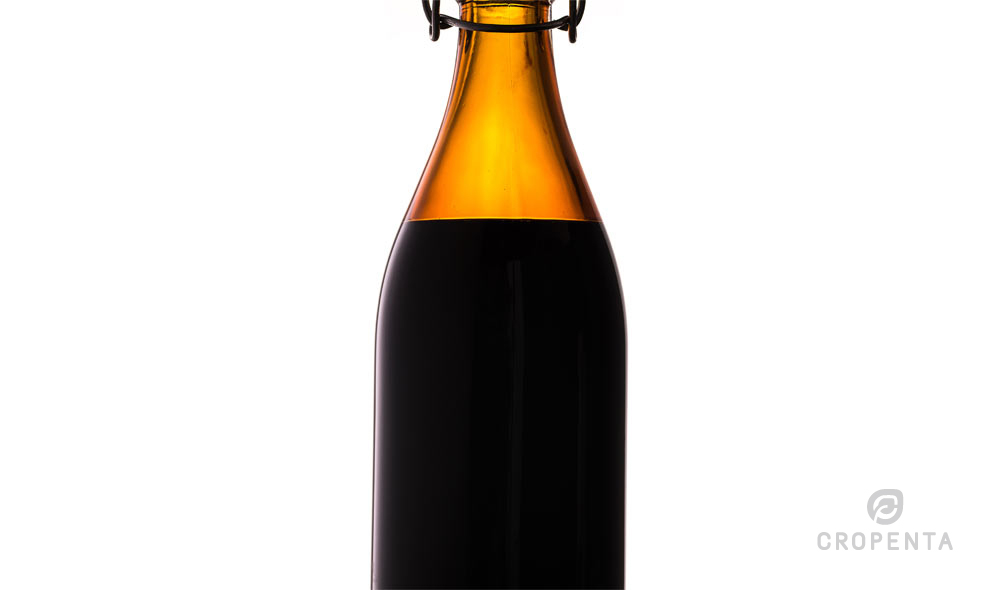
Beet Molasses
Direct carbon source for soil microbiology and formulations
Summary
- Liquid byproduct raw material from sugar beet processing
- Contains about 46% sugars as an energy source
- Natural NPK composition of 1.6-0.1-3.5
- Stimulates soil microbiology and soil activity
- Ideal carbon carrier for fertilizers and biostimulants
- Cost-effective, circular raw material for formulations
Beet Molasses: Origin and Product
Beet molasses is produced as a byproduct during sugar production from sugar beets. After crystallization of sugar, a viscous residual stream remains called beet molasses, which is generally used as a raw material for feed or industrial fermentations. Thanks to its composition of carbohydrates, organic matter, and minerals, beet molasses is also excellent as a raw material for fertilizers, soil conditioners, and biostimulants.Beet Molasses: Soil Life and Microbial Boost
Beet molasses provides sugars and organic substances that serve as food for soil microbes. This nutrient source stimulates microbes ? bacteria, yeasts, and soil fungi ? leading to increased microbial activity, which boosts soil vitality. The active microbial community can also assist in the conversion of organic matter and the release of nutrients, positively influencing soil structure, air, and water management.Beet Molasses: Nutrients and Organic Compounds
Besides sugars, beet molasses contains macro- and micronutrients and organic components. This makes it suitable as an organic base material in fertilizer and biostimulant formulations. Although the exact composition varies by product and origin, beet molasses functions as a cost-effective, circular, and natural carrier for further enrichment with minerals, trace elements, or other biological components.Beet Molasses: Application in Fertilizers and Biostimulants
For producers, beet molasses is ideal as a raw material in:- liquid organic fertilizers
- soil conditioners
- biostimulants (in combination with humic acids, microbes, organic acids, etc.)
- fertigation solutions, provided viscosity is taken into account
Beet Molasses: Benefits for Soil & Product Development
- Plant-based, natural origin ? no synthetic raw materials needed
- Sugars: direct energy for soil life and microbes
- Organic components: improve soil structure, moisture, and nutrient management
- Flexible base: easy to combine with minerals or additional nutrients
- Circular use of byproducts from the sugar industry ? sustainable character
Disclaimer: The mentioned values are average guidelines and may vary per producer, origin, and batch. Product-specific analyses are available upon request.


Whatsapp
Scan QR code to start a chat or click here.
How can we assist you?
Thank you, we have received your message and will contact you as soon as possible.