Why Betaine Helps Plants Recover After Stressful Conditions
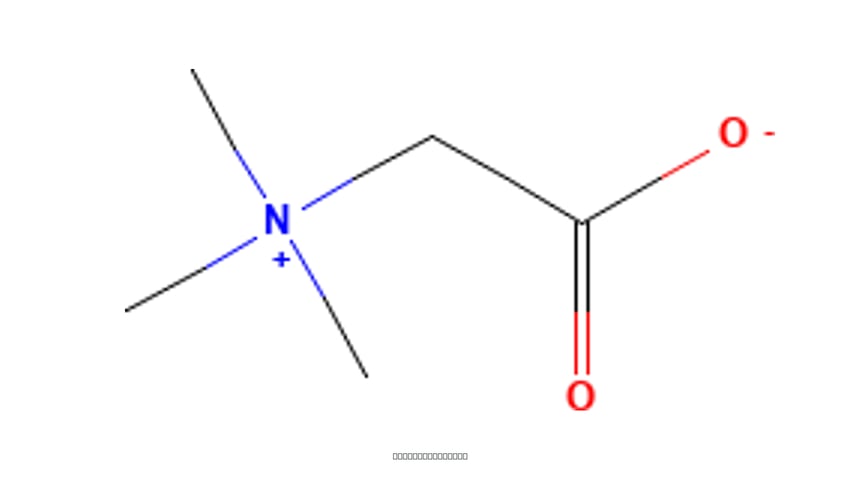
Plants are regularly exposed to environmental challenges, including drought, heat, and salinity, which can significantly impact their growth and productivity. While plants have various mechanisms to cope with these conditions, the ability to recover and restore normal physiological functions after stress exposure is also relevant. Glycine betaine (GB), a compatible solute, has been observed to influence these recovery processes.
Cropenta Insight
Glycine betaine's role in plant recovery goes beyond immediate difficult condition mitigation. Understanding its influence on cellular repair and osmotic balance after a difficult event helps professionals interpret plant responses. This knowledge is important for developing strategies that support plant resilience, especially in environments prone to difficult growing conditions.
Glycine Betaine as an Osmoprotectant
Glycine betaine is a naturally occurring, zwitterionic, and chemically stable osmoprotectant that accumulates in plant cells under various difficult growing conditions [1, 2]. Its primary function is often associated with osmotic adjustment, which helps maintain cellular water balance under drought, salinity, and heat conditions. By accumulating within the cytoplasm, GB may help maintain cellular structures and enzyme activities from dehydration or ionic imbalances [3].
Supporting Cellular Repair After Stress
Beyond its immediate protective role, glycine betaine may contribute to the plant's recovery by influencing cellular repair mechanisms. Stress conditions often lead to the generation of reactive oxygen species (ROS), which can cause oxidative damage to cell components. Glycine betaine has been observed to play a role in reducing the accumulation and supporting the detoxification of ROS, which may minimize cellular damage during and after stress [4]. This reduced damage can then facilitate faster cellular repair and a return to normal metabolic activity.
Influencing Physiological and Biochemical Parameters
Studies indicate that glycine betaine can influence various physiological and biochemical parameters in plants during post-stress recovery. The osmoprotectant has been observed to support growth and physio-biochemical parameters, which may help plants to regain vigor and functionality [3]. This can include effects on photosynthesis, nutrient uptake efficiency, and overall metabolic processes that are often disrupted during severe environmental stress. By modulating these parameters, GB may assist the plant in resuming essential functions needed for growth and development following a stressful period [1].
Assisting in Post-Stress Plant Recovery
The accumulation of glycine betaine may help plants to recover more effectively from the metabolic dysfunctions caused by stress [1]. For instance, in conditions involving heavy metal stress, glycine betaine has been observed to enhance tolerance and may help keep plant cells free from the associated toxicity, which can be part of a broader recovery process [5]. The presence of GB can support the plant's capacity to restore its metabolic balance and growth potential after enduring challenging environmental conditions. This ability to bounce back is relevant for maintaining productivity in variable climates.
Technical Summary
Glycine betaine functions as an osmoprotectant, helping plants manage cellular water balance under difficult growing conditions such as drought, heat, and salinity. It may assist in post-difficult condition recovery by influencing reactive oxygen species detoxification and supporting cellular repair, thereby reducing oxidative damage. This can lead to a more effective restoration of normal physiological and biochemical processes, helping plants regain growth and metabolic stability after environmental pressures.
Disclaimer
This article has been prepared with AI assistance using publicly available sources and is intended solely for general technical and educational purposes. It does not constitute professional advice or recommendations for specific applications. Cropenta makes no warranties regarding the accuracy, completeness or applicability of the information. No rights may be derived from its contents, and Cropenta accepts no liability for its use to the extent permitted by law.
Technical Questions
How does glycine betaine differ from other compounds plants use to cope with stress?
Glycine betaine is an osmoprotectant, a type of compatible solute that accumulates in plant cells to help maintain osmotic balance and protect cellular structures during stress. Unlike some other stress response compounds, GB is stable and does not interfere with normal metabolic functions, making it effective for sustained cellular protection and recovery.
What kind of environmental stresses does glycine betaine primarily help plants recover from?
Glycine betaine is observed to assist plants in recovering from various difficult growing conditions. These include osmotic conditions such as drought, which causes water deficit, and salinity, which involves high salt concentrations. It also plays a role in recovery from heat conditions, where high temperatures can disrupt cellular processes and protein stability.
Does glycine betaine immediately reverse stress damage in plants?
Glycine betaine's role is complex; it may contribute to both the capacity to cope with difficult conditions and subsequent recovery. While it helps mitigate cellular damage during difficult conditions by protecting proteins and membranes and influencing reactive oxygen species detoxification, the reversal of damage is a process that unfolds over time as the plant restores its physiological functions.
Are all plants equally capable of synthesizing and accumulating glycine betaine?
No, the capacity to synthesize and accumulate glycine betaine varies significantly among plant species. Some plants, known as betaine accumulators, naturally produce high levels of GB in response to stress. Others produce little to none, highlighting species-specific differences in stress adaptation mechanisms and the potential for external application.
Can external application of glycine betaine influence post-stress plant recovery?
External application of glycine betaine has been explored as a strategy to support plant resilience. Studies indicate that exogenous GB may contribute to improved growth and physiological parameters under stress and during recovery phases. This suggests that supplementing plants with GB might help them manage and bounce back from adverse environmental conditions.
Related articles
Related Products



Looking for something specific?
Our team is there to help you find the right raw materials and solutions for your formulations

