Microbial Fertilizers
 Cropenta in 60 seconds

Technical
Expertise

Specialized
Inputs

Long-Term
Partnerships

Sustainable
Solutions
Trichoderma Biostimulant
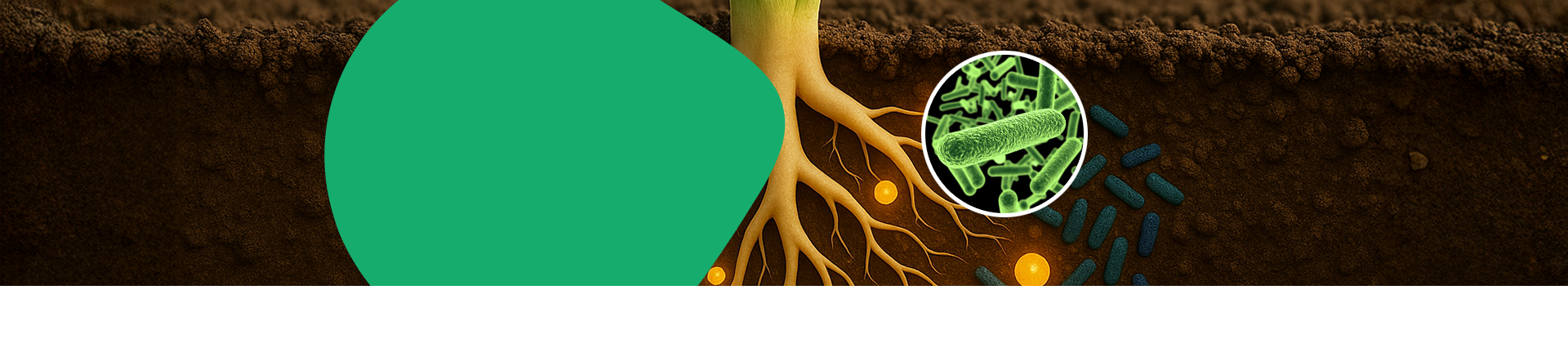
Trichoderma biostimulants are among the most applied microbial raw materials within modern biostimulation strategies. Trichoderma is a genus of beneficial soil fungi that colonizes roots, stimulates plant growth, and enhances the natural resilience of crops.
For formulators and buyers, Trichoderma is particularly interesting because it combines multiple functions: root stimulation, microbial competition against pathogens, and activation of plant defense via induced systemic resistance (ISR). This makes Trichoderma a key component in preventive and sustainable cultivation programs.
What is Trichoderma?
Trichoderma is a naturally occurring genus of fungi present in virtually all soils. Various species, such as Trichoderma harzianum and Trichoderma asperellum, are commercially used as biostimulants and biological soil enhancers.
These fungi specialize in rapid root colonization and interaction with both the plant and other microorganisms in the rhizosphere.
Why is Trichoderma so valuable as a biostimulant?
Trichoderma is distinguished by supporting three important processes simultaneously:
- Enhanced root development
- Biological pathogen suppression
- Defense activation via ISR
This makes Trichoderma applicable in both growth stimulation and preventive resilience programs.
1. Root stimulation and improved uptake efficiency
One of the most consistent effects of Trichoderma is stimulation of root architecture. The fungus influences root growth via metabolites and hormone-like signals, leading to:
- more lateral roots
- higher root hair density
- larger uptake surface
- improved water and nutrient absorption
This enhances the physiological efficiency of the crop and supports higher nutrient utilization under stress conditions.
2. Rhizosphere competition and pathogen suppression
Trichoderma also functions as a biological antagonist of soil pathogens. This occurs through:
- competition for space and carbon sources
- mycoparasitism (attacking other fungi)
- production of antimicrobial metabolites
This can reduce infection pressure from pathogens like Fusarium and Pythium, providing direct yield protection.
3. ISR activation and plant resilience
A core mechanism of Trichoderma is activation of induced systemic resistance (ISR). This means that the plant develops increased defense readiness after root colonization, allowing future infections to be combated more quickly and controllably.
ISR leads to:
- faster defense gene expression
- strengthened cell wall reactions
- higher production of phenols and phytoalexins
- less damage during pathogen attack
Trichoderma and oxidative stress buffering
In addition to biotic protection, Trichoderma also plays a role in abiotic stress mitigation. Under stress, oxidative burden occurs due to ROS (reactive oxygen species). Trichoderma indirectly stimulates the activity of antioxidant enzymes, making ROS neutralization more efficient.
This supports photosynthesis stabilization and maintenance of growth vigor under stress.
Application in biostimulant formulations
For formulators, Trichoderma brings specific formulation considerations. As it involves living spores, stability depends on:
- storage conditions and carriers
- compatibility with fungicides
- application timing (early in the crop)
- tank mix possibilities
Synergy with other biostimulant raw materials
Trichoderma works particularly well in combination with other functional clusters:
- Trichoderma + fulvic acid for rhizosphere condition and nutrient mobility
- Trichoderma + seaweed extract for priming and root stimulation
- Trichoderma + bioactive oligosaccharides for elicitor enhancement
- Trichoderma + protein hydrolysates for root continuity
From root health to yield stability
Due to better root function, lower pathogen stress, and increased ISR, Trichoderma results in:
- more uniform crop development
- less loss due to root diseases
- higher stress resilience
- more stable yield and quality
Overview: Trichoderma as a microbial biostimulant
| Mode of Action | Effect | Cultivation Value |
|---|---|---|
| Root colonization | More root activity | Uptake efficiency |
| ISR activation | Higher plant resilience | Preventive disease buffering |
| Competition with pathogens | Lower infection pressure | Root health |