Evaluating Residual Glucosinolate Impact in Processed Rapeseed Protein for Ruminants
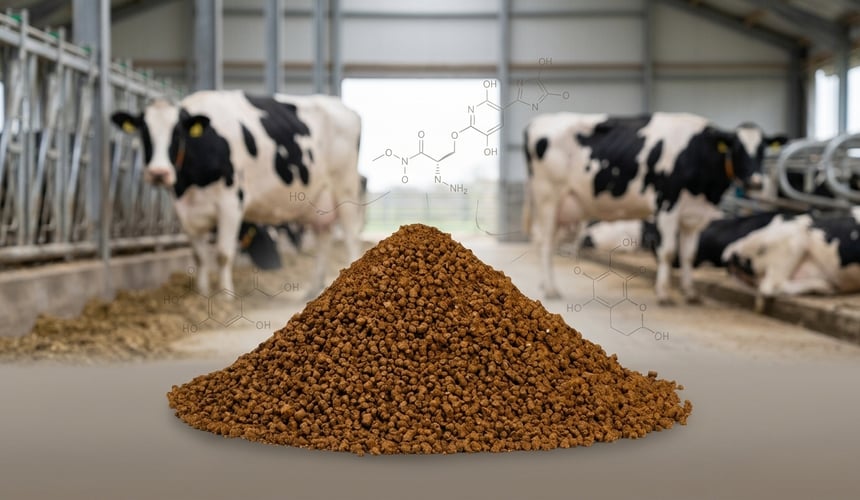
Rapeseed protein is a widely utilized ingredient in ruminant diets, offering a valuable source of protein. However, native rapeseed contains glucosinolates, compounds known for their potential antinutritional effects. The challenge in feed formulation is to understand how these naturally occurring compounds, even after processing designed to protect protein from rumen degradation, might continue to influence the nutritional value and safety of rapeseed protein for dairy and beef cattle. This involves investigating the residual effects of glucosinolates and their breakdown products on feed intake, thyroid function, and overall animal performance.
Cropenta Insight
Beyond raw protein values, the efficacy of rumen-protected rapeseed protein hinges on the complex interplay of processing methods, residual glucosinolate profiles, and microbial activity. Formulators must consider not only the increased rumen-undegradable protein (RUP) but also how specific processing conditions modulate glucosinolate breakdown product formation. This nuanced assessment aims to optimize amino acid bioavailability while accounting for the subtle, context-dependent effects of these compounds on animal metabolism and nutrient utilization in diverse ruminant systems.
Understanding Glucosinolates and Their Effects
Glucosinolates are a group of sulfur-containing secondary metabolites found predominantly in Brassica plants, including rapeseed. When plant cells are damaged, enzymes called myrosinases are released, hydrolyzing glucosinolates into various breakdown products, including nitriles, thiocyanates, and isothiocyanates. Some of these breakdown products are recognized as antinutritional factors in animal feed. Historically, the presence of these compounds in rapeseed meal has been associated with negative effects on animal health and performance, particularly due to their goitrogenic potential, which can disrupt thyroid hormone synthesis and lead to thyroid dysfunction [1]. Such effects may stem from multidirectional actions of glucosinolates, potentially affecting nutrient utilization.
Processing Rapeseed Protein for Rumen Protection
To maximize the protein value of rapeseed for ruminants, processing methods are applied to increase the proportion of rumen-undegradable protein (RUP). These methods aim to protect protein from microbial degradation in the rumen, allowing more amino acids to reach the small intestine for absorption. One common approach involves controlled heat treatment, sometimes combined with other reactants like reducing sugars to induce Maillard reactions. According to the manufacturer's product documentation, this reaction binds amino groups, which may contribute to the protein being more resistant to rumen microbes while preserving its digestibility in the acidic abomasum and enzymatic environment of the small intestine [2].
Current Evidence on Glucosinolate Impact in Ruminants
While traditional concerns about glucosinolates focus on their antinutritional properties, recent meta-analyses provide a broader perspective on their effects in ruminant diets. A comprehensive review by Gao et al. (2023) suggests that incorporating glucosinolate-containing feed may actually enhance nutrient utilization in ruminants [3]. This finding introduces complexity to the understanding of glucosinolate impact, indicating that the overall dietary context, glucosinolate levels, and specific breakdown products might influence outcomes differently than previously assumed, particularly in modern low-glucosinolate rapeseed varieties.
However, it is also important to consider that the effectiveness of protein protection methods, and by extension, the mitigation of antinutritional factors, can vary. Earlier feeding trials comparing physically-thermally treated or lignosulfonate-treated rapeseed meal against untreated meal in German dairy cows showed milk protein output and feed nitrogen efficiency did not differ significantly. Moreover, in-situ measurements often found rumen-undegraded protein (UDP) values for treated meals to be lower than declared in product information, sometimes only marginally increasing UDP over untreated meal [4]. This highlights the importance of verifying actual rumen protection and considering any residual effects of compounds like glucosinolates, even in processed ingredients.
Formulation and Nutritional Valuation Considerations
When formulating rations with processed rapeseed protein, nutritionists must consider the complex interplay of protein protection, amino acid availability, and any residual antinutritional factors. While modern rapeseed varieties contain lower glucosinolate levels than older types, and processing aims to further reduce their bioavailability, their potential effects on thyroid function and metabolism still warrant consideration in sensitive animal populations.
Technical Summary
Residual glucosinolates in processed rumen-protected rapeseed protein can affect ruminant performance, although recent research suggests potential benefits in nutrient utilization. While processing aims to mitigate these antinutritional factors and enhance rumen-undegradable protein (RUP), verifying actual protection and considering the holistic impact on feed intake and thyroid function remains crucial for effective dairy and beef cattle ration formulation.
Disclaimer
This article has been prepared with AI assistance using publicly available sources and is intended solely for general technical and educational purposes. It does not constitute professional advice or recommendations for specific applications. Cropenta makes no warranties regarding the accuracy, completeness or applicability of the information. No rights may be derived from its contents, and Cropenta accepts no liability for its use to the extent permitted by law.
Technical Questions
How does the Maillard reaction influence glucosinolate breakdown in protected rapeseed protein?
The Maillard reaction primarily targets protein amino groups to reduce rumen degradability, not directly glucosinolates. However, the heat treatment applied during controlled Maillard reactions can contribute to the degradation or inactivation of myrosinase enzymes, which are responsible for hydrolyzing glucosinolates into their active breakdown products. This indirect effect can help mitigate the antinutritional impact of glucosinolates.
What are the key indicators for evaluating the effectiveness of glucosinolate reduction during rapeseed protein processing?
Effective glucosinolate reduction is typically assessed by measuring the concentration of total glucosinolates or specific glucosinolate breakdown products in the final processed ingredient. While some processing methods aim for reduction, the primary goal of protein protection is to increase rumen-undegradable protein. It is important to consider both the protein's bypass characteristics and the residual antinutritional factor levels.
How do residual glucosinolates interact with thyroid function in dairy cattle?
Residual glucosinolates and their breakdown products, particularly isothiocyanates and thiocyanates, can act as goitrogens. In dairy cattle, these compounds may interfere with iodine uptake and utilization by the thyroid gland, potentially disrupting thyroid hormone synthesis. This interference can lead to reduced thyroid function, which is known to influence metabolic processes, particularly if intake levels are significant.
Can glucosinolate levels in processed rapeseed protein affect feed intake and palatability for ruminants?
While modern low-glucosinolate rapeseed varieties have significantly reduced levels compared to older types, high concentrations of certain glucosinolate breakdown products, such as isothiocyanates, can impart bitter flavors. These compounds may negatively affect the palatability of feed, potentially leading to reduced feed intake in ruminants if not adequately managed through processing or formulation strategies.
Why is it important to consider both RUP and intestinal digestibility when formulating with treated rapeseed protein?
Focusing solely on a high rumen-undegradable protein (RUP) percentage can be misleading. For the protein to be nutritionally effective, the RUP fraction must also be highly digestible in the small intestine. Over-processing can inadvertently reduce intestinal digestibility, diminishing the actual amount of amino acids available to the animal. Both parameters are crucial for accurate nutritional valuation and effective ration formulation.
Related articles

Looking for something specific?
Our team is there to help you find the right raw materials and solutions for your formulations

