Heat Treatment Methods for Protecting Rapeseed Protein in Ruminant Feeds
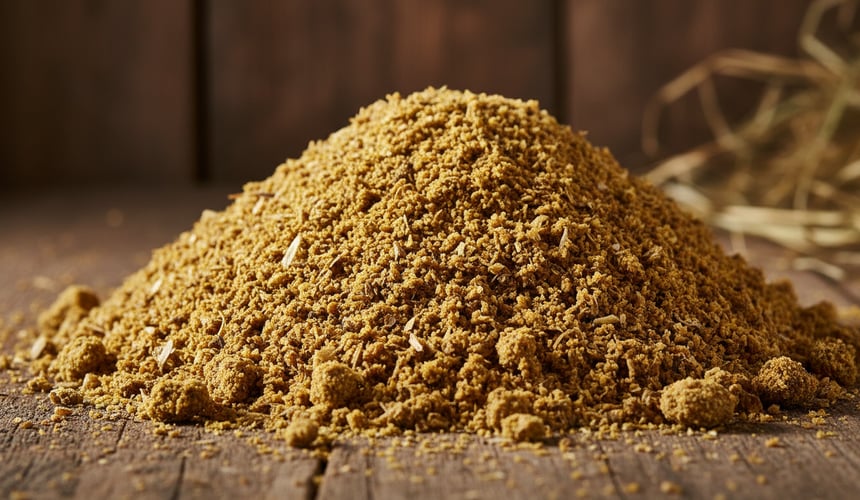
Rapeseed protein offers a good amino acid profile for ruminants, but much of it can be lost to rapid degradation in the rumen. To ensure more valuable amino acids reach the small intestine, various heat treatment methods are used to create rumen-protected protein. These treatments alter the protein structure, reducing microbial breakdown in the rumen while maintaining digestibility further along the digestive tract [1].
Cropenta Insight
Understanding how heat treatment impacts the effective degradation and intestinal digestibility of rapeseed protein is crucial for accurate nutritional valuation.
Mechanisms of Heat Protection
Heat treatment methods primarily work by altering the physical and chemical structure of rapeseed protein, which in turn influences its susceptibility to rumen microbial enzymes. These changes can include protein denaturation, which exposes hydrophobic regions and reduces solubility, and the formation of cross-linkages. One significant mechanism involves the Maillard reaction, a non-enzymatic browning reaction between reducing sugars and amino groups of proteins, particularly lysine. When controlled, this reaction can form complexes that resist rumen degradation but are still digestible in the acidic environment of the abomasum and enzymatic digestion in the small intestine. Excessive heat, however, can lead to over-processing, which may reduce both rumen degradation and subsequent intestinal digestibility by rendering amino acids, especially reactive lysine, unavailable [1].
Common Heat Treatment Methods and Their Effects
Several heat treatment methods are applied to rapeseed meal to enhance its rumen protection. These generally involve the application of heat and sometimes pressure, often in combination with moisture. Examples include toasting, expander treatment, and extrusion.
Toasting and Expander Treatment
Toasting typically involves heating the rapeseed meal after oil extraction. This process can reduce effective protein degradability in the rumen. Early research indicated that heat-treated rapeseed meals can have significantly reduced protein degradability compared to untreated meals, with effective protein degradability decreasing from approximately 73% to 56% in some cases [2]. The degree of protection achieved depends on the temperature, duration of heating, and moisture content during the process. Expander treatment, often used before pelleting, involves short-term, high-temperature conditioning, which can also contribute to protein protection by denaturing proteins and reducing their solubility.
Extrusion
Extrusion is a thermo-mechanical process that subjects feed ingredients to high temperatures, pressures, and shear forces for a short duration. This process causes significant changes to protein structure, including denaturation and aggregation, which can lead to increased rumen protection. The controlled application of heat and moisture during extrusion can induce Maillard reactions, further contributing to protein bypass. However, the precise conditions (temperature, moisture, residence time) must be carefully managed to achieve optimal protection without compromising intestinal digestibility [1].
Nutritional Implications of Protein Protection
The primary goal of protecting rapeseed protein is to increase the supply of rumen-undegradable protein (RUP), or bypass protein, to the small intestine. This can contribute to a more balanced amino acid supply for the ruminant, potentially supporting higher productivity without necessarily increasing milk protein output in all feeding trials [3, 4]. However, an increase in RUP does not automatically equate to improved animal performance if the intestinal digestibility of that RUP is compromised by over-processing. Nutritional valuation systems, such as the Dutch DVE/OEB or German nXP/RNB, integrate both rumen degradation characteristics and intestinal digestibility to calculate usable protein values for formulation.
While heat treatment can effectively increase RUP, it is vital to monitor the overall amino acid digestibility, especially for lysine. Excessive heat can bind reactive lysine, making it unavailable for digestion, even if total lysine content remains unchanged [1]. Therefore, the goal is to achieve adequate rumen protection while maintaining high intestinal digestibility of amino acids to ensure the protected protein genuinely contributes to the animal's amino acid requirements.
Technical Summary
Heat treatment methods, including toasting, expander treatment, and extrusion, are employed to protect rapeseed protein from excessive rumen degradation by modifying its structure and promoting controlled Maillard reactions. These processes aim to increase the supply of rumen-undegradable protein (RUP) to the small intestine, but careful control is essential to maintain high intestinal digestibility of amino acids.
Disclaimer
This article has been prepared with AI assistance using publicly available sources and is intended solely for general technical and educational purposes. It does not constitute professional advice or recommendations for specific applications. Cropenta makes no warranties regarding the accuracy, completeness or applicability of the information. No rights may be derived from its contents, and Cropenta accepts no liability for its use to the extent permitted by law.
Technical Questions
Beyond simply reducing rumen degradation, what is the ultimate nutritional goal of heat treating rapeseed protein for ruminants?
The ultimate nutritional goal is to deliver a consistent supply of highly digestible essential amino acids to the small intestine. This provides the building blocks for milk protein, meat production, and overall animal health, ensuring that the protected protein genuinely contributes to the animal's nutrient requirements.
What are the optimal conditions for the Maillard reaction to achieve rumen protection without compromising amino acid availability in heat-treated rapeseed protein?
Optimal conditions involve precise control of temperature, moisture, and heating duration. The aim is to induce mild Maillard reactions that create stable protein-carbohydrate complexes resistant to rumen microbes, but which can still be broken down in the acidic and enzymatic environment of the lower digestive tract, releasing available amino acids.
Why is it important to consider intestinal digestibility alongside rumen undegradable protein (RUP) values?
A high RUP percentage alone does not guarantee effective protein utilization. Over-processing can lead to reduced intestinal digestibility, meaning that even if protein bypasses the rumen, it may not be absorbed efficiently. Both RUP and intestinal digestibility are crucial for an accurate nutritional valuation.
What are the risks of excessive heat treatment on rapeseed protein quality?
Excessive heat can lead to over-processing, which can irreversibly bind amino acids, particularly reactive lysine, making them unavailable for digestion. This reduces both the intestinal digestibility and overall nutritional value of the protein, potentially leading to lower amino acid supply for the ruminant.
Related articles




Related Products

Looking for something specific?
Our team is there to help you find the right raw materials and solutions for your formulations

