Understanding Rumen Protection and Protein Bioavailability in Ruminants
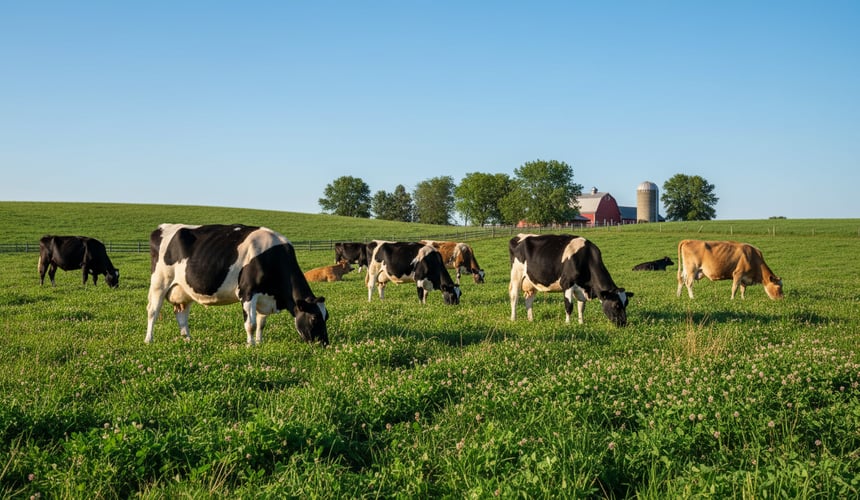
Optimizing protein utilization in ruminants hinges on understanding the distinction between rumen protection and the subsequent bioavailability of proteins and amino acids in the small intestine. While methods to protect dietary protein from rumen degradation are well-established, these methods can also influence how much of that protected protein is actually digested and absorbed post-ruminally. This article examines how various rumen protection methods alter intestinal digestibility and amino acid availability, helping to clarify their true impact on metabolizable protein supply.
Cropenta Insight
For formulators seeking improved protein efficiency, understanding the specific mechanisms by which protection methods influence both rumen degradability and intestinal digestibility is key. Simply achieving high rumen-undegradable protein (RUP) does not guarantee maximum amino acid availability to the animal. Nutritional valuation systems, in-situ measurements, and intestinal digestibility data, particularly for ingredients like potato protein, offer a more complete picture, enabling formulators to select ingredients that truly contribute to metabolizable protein needs.
The Dual Challenge: Rumen Protection Versus Intestinal Bioavailability
Ruminants rely on both microbial protein synthesized in the rumen and dietary protein that bypasses rumen degradation, known as rumen-undegradable protein (RUP), for their amino acid supply. Various methods aim to increase the RUP fraction, thereby providing a greater supply of amino acids directly to the small intestine [1]. These methods include heat treatment, chemical treatments (such as with lignosulfonates, or historically, formaldehyde), and controlled Maillard reactions using reducing sugars. The goal is to create a protein structure that resists microbial enzymes in the rumen but can be broken down by acidic conditions in the abomasum and enzymatic digestion in the small intestine.
However, an important distinction exists between achieving high rumen protection and ensuring high intestinal bioavailability. A protein source might exhibit high RUP, meaning a large proportion escapes rumen degradation, yet if this protected protein is not readily digestible in the small intestine, its nutritional value to the animal is limited. Intestinal digestibility, measured for instance with the mobile nylon bag technique in cannulated cows, quantifies the share of rumen-undegraded protein that is actually digested and absorbed in the small intestine. A high RUP with low intestinal digestibility yields little usable protein for the animal [2].
Impact of Protection Methods on Intestinal Digestibility
Different protection methods alter protein structure in distinct ways, consequently affecting their intestinal digestibility:
- Heat Treatment: Moderate heat treatment can reduce protein degradability in the rumen by denaturing proteins, making them less accessible to microbial enzymes. However, excessive heat can lead to irreversible protein cross-linking and Maillard reactions that bind reactive lysine and other amino acids too strongly, significantly reducing intestinal digestibility and amino acid availability [1]. This over-processing can lower both rumen degradation and post-ruminal digestibility.
- Chemical Treatment: Historically, formaldehyde treatment was used to create strong cross-links, rendering proteins highly resistant to rumen degradation. While effective at increasing RUP, it could also compromise intestinal digestibility. Newer chemical methods, such as lignosulfonate treatment, aim to offer protection without overly hindering post-ruminal digestion. However, studies have indicated that the rumen-undegradable protein (UDP) values from some physically-thermally treated or lignosulfonate-treated rapeseed meals were lower than reported, and not always significantly different from untreated meals in some in-situ measurements [3].
- Controlled Maillard Reaction: This method involves the reaction of reducing sugars with free amino groups, typically lysine, to form melanoidins. When controlled, this reaction can make protein resistant to rumen microbes while still allowing for acid denaturation in the abomasum and enzymatic release of amino acids in the small intestine. For example, a rumen-protected soy protein treated with a controlled Maillard reaction from non-GMO soybean meal and treated molasses has shown a calculated RUP above 80% at an assumed passage rate of 6%/h, with intestinal digestibility of the rumen-undegraded protein near 100%, according to product documentation [2]. Similarly, a rumen-protected rapeseed protein using this method reported RUP of about 80% at 6%/h passage rate and intestinal digestibility of approximately 90%, according to product documentation [4]. However, an uncontrolled or excessive Maillard reaction can bind reactive lysine and lower overall digestibility and palatability [2].
The Significance of Amino Acid Availability
Ultimately, the objective of rumen protection is to increase the flow of essential amino acids to the small intestine. Therefore, amino acid digestibility, rather than just crude protein digestibility, is the most accurate indicator of what the animal can actually utilize [2]. This metric, often measured in animals, provides a direct assessment of how much of each amino acid is available for absorption. Simply measuring total lysine or methionine content, or relying on heat indicators, does not fully capture the nutritional availability if the amino acids are bound in indigestible complexes due to processing.
Moreover, in-vitro protein degradation tests, which use enzymatic or fractionation methods, often correlate poorly with in-situ measurements conducted in rumen-fistulated cows. For heat- and Maillard-protected proteins specifically, in-vitro methods tend to overstate rumen protection by a considerable margin compared with in-vivo measurements [2, 4]. This highlights the importance of using robust, in-situ and in-vivo methodologies for accurately characterizing the degradation and digestibility of protected proteins.
Nutritional Valuation and Ingredient Selection
Nutritional protein valuation systems, such as the Dutch DVE/OEB or German nXP/RNB systems, translate measured degradation and digestibility characteristics into formulation values. These systems account for both rumen degradation and intestinal digestibility to provide a more comprehensive assessment of protein quality. For instance, in the Dutch DVE/OEB system, a rumen-protected soy protein may show a digestible protein value roughly 1.8 times that of untreated soybean meal, with a rumen protein balance close to zero, according to product documentation [2].
When selecting ingredients, it is crucial to consider the interplay between RUP values, the assumed passage rate (Kp) at which RUP is calculated, and intestinal digestibility. RUP values are only comparable at the same assumed passage rate. Furthermore, high RUP alone does not provide a direct indication of higher milk production; such conclusions require evidence from actual feeding trials, which differ from ingredient characterization studies. While feeding rumen-bypass protein to cattle has been associated with positive effects on weight gain and feed efficiency, particularly in young calves, this underscores the importance of effective protein delivery [5]. Ultimately, informed ingredient selection goes beyond reported RUP percentages to encompass a full understanding of how protection methods influence true post-ruminal amino acid availability.
Technical Summary
Rumen protection methods aim to increase the proportion of dietary protein bypassing rumen degradation, but their impact on subsequent intestinal bioavailability varies. Over-processing with heat or certain chemical treatments can reduce both rumen degradation and small intestine digestibility, compromising amino acid availability. Controlled Maillard reactions can offer effective rumen protection while preserving high intestinal digestibility. Accurate nutritional evaluation requires in-situ and in-vivo measurements, considering both rumen-undegradable protein and intestinal digestibility, to ensure a truly metabolizable amino acid supply.
Disclaimer
This article has been prepared with AI assistance using publicly available sources and is intended solely for general technical and educational purposes. It does not constitute professional advice or recommendations for specific applications. Cropenta makes no warranties regarding the accuracy, completeness or applicability of the information. No rights may be derived from its contents, and Cropenta accepts no liability for its use to the extent permitted by law.
Technical Questions
Why is the distinction between rumen protection and intestinal digestibility crucial for feed formulators?
Formulators often prioritize increasing RUP to boost amino acid supply. However, if the protected protein has low intestinal digestibility, the animal cannot effectively utilize it. Understanding this distinction allows for the selection of ingredients that not only bypass the rumen but also deliver highly digestible amino acids, leading to a more accurate metabolizable protein contribution and improved protein efficiency in the diet.
How do in-vitro protein degradation tests compare to in-situ measurements for protected proteins?
In-vitro tests, which use enzymatic or chemical methods, often correlate poorly with in-situ measurements performed in rumen-fistulated cows, especially for heat- and Maillard-protected proteins. In-vitro methods can significantly overstate rumen protection, sometimes by tens of percentage points. In-situ and subsequent in-vivo intestinal digestibility measurements are considered more accurate for determining true rumen bypass and post-ruminal amino acid availability.
What is the role of reactive lysine in evaluating the quality of protected proteins?
Reactive lysine refers to lysine with a free epsilon-amino group, which is available for digestion and absorption. Maillard reactions, when not properly controlled, can bind reactive lysine, making it unavailable. While total lysine content may remain unchanged after processing, a reduction in reactive lysine indicates potential over-processing and a decrease in the nutritional value of the protein, even if rumen protection is high.
Why are RUP values only comparable at the same assumed passage rate?
Rumen-undegradable protein (RUP) is calculated from measured degradation characteristics and an assumed fractional passage rate (Kp) of feed particles from the rumen. If the assumed passage rate differs between evaluations, the calculated RUP values will also differ. Therefore, to make meaningful comparisons between RUP values of various protein sources, it is essential that they are all calculated using the same assumed passage rate.
- 1.Rumen Bypass and Protection of Proteins and Amino Acids
- 2.Cropenta product documentation: Bypass Soy Protein MP
- 3.Geschützte Rapsextraktionsschrote im Fütterungsversuch (proteinmarkt.de)
- 4.Cropenta product documentation: Bypass Rapeseed MP
- 5.Effects of rumen-bypass protein supplement on growth ... - PMC
Related articles


Related Products

Looking for something specific?
Our team is there to help you find the right raw materials and solutions for your formulations

