Why Seaweed Biostimulant Effects Differ with Soil and Climate
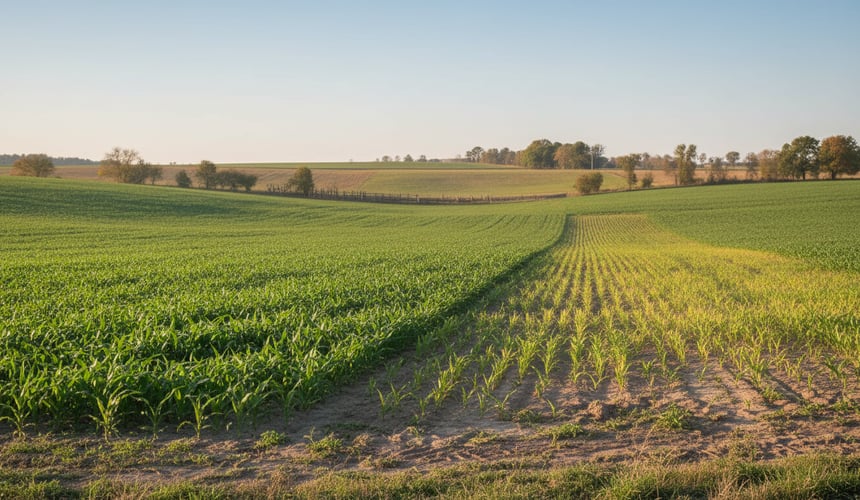
Seaweed biostimulants are recognized for their capacity to influence plant physiological processes and nutrient acquisition, contributing to growth and vigor [1, 2]. However, growers and agronomists often observe variations in crop responses, leading to questions about why a product might perform well in one field or season but show different results elsewhere, even on the same crop. The effectiveness of seaweed extracts is not universal; it is significantly modulated by specific soil characteristics and prevailing environmental conditions.
Cropenta Insight
Understanding the variability of seaweed biostimulant efficacy based on soil and climate factors is crucial for professionals. It highlights that product performance is a dynamic interaction between the biostimulant and the specific growing environment, rather than an isolated effect. Recognizing this helps in accurately interpreting field results and developing more targeted application strategies under diverse cultivation conditions, informing decisions for the use of biostimulants.
Influence of Environmental Factors on Seaweed Biostimulant Performance
Variations in soil properties and climatic stresses are key factors influencing the physiological responses of crops to foliar-applied seaweed extracts [1]. While seaweed extracts may stimulate processes that improve nutrient acquisition and plant growth generally, the extent of these effects can differ greatly. For example, soil organic matter content and pH levels can affect nutrient availability, which in turn influences how effectively a plant can utilize the benefits provided by seaweed compounds. The bioactive compounds in seaweed extracts, such as marine polysaccharides, alginic acid, and mannitol, interact with plant physiological pathways. However, the outcomes of these interactions are not constant across all environmental contexts.
Soil Conditions and Physiological Responses
Soil conditions, including organic matter content, nutrient status, and pH, can modulate how crops respond to seaweed biostimulants. A plant already under nutrient limitation due to poor soil fertility might exhibit a different physiological response to seaweed extract application compared to a plant in nutrient-rich soil. For instance, enhanced root activity promoted by certain seaweed extracts may be more evident in soils where nutrient mobility is a limiting factor [1]. However, there is limited scientific evidence specifically detailing the direct impact of biostimulants on soil properties or functions themselves [3].
Climate Stress and Crop Response Variability
Climatic stresses, such as water availability (drought) and temperature (heat), are significant factors in the variability of crop responses. Seaweed extracts are often associated with influencing plant osmotic balance and post-stress recovery [1, 4]. For a crop experiencing drought stress, the application of seaweed biostimulants might help in maintaining cellular water balance or supporting physiological recovery. Conversely, in conditions without significant stress, the magnitude of the observed physiological changes may be less pronounced or different in nature. The specific mechanisms, such as alterations in hormonal balance or antioxidant activity, can be more critically engaged when a plant is under environmental pressure, leading to more noticeable effects in stress-exposed cultivation [1].
Conclusion
The variable efficacy of seaweed biostimulants across different fields and seasons can be attributed to the complex interplay between the biostimulant's bioactive compounds and the specific environmental context, including soil characteristics and climatic conditions. Professionals in agriculture can draw the conclusion that understanding these modulating factors is important for predicting and optimizing the performance of seaweed biostimulants in diverse agronomic settings.
Technical Summary
Seaweed biostimulant efficacy varies significantly due to environmental factors, specifically soil properties and climate stress. Soil organic matter and pH influence nutrient availability, affecting how plants utilize seaweed compounds. Climatic stresses like drought and heat can modulate physiological responses, as seaweed extracts may aid in osmotic balance or stress recovery, making their effects more pronounced under pressure. Understanding these interactions is key to optimizing application strategies.
Disclaimer
This article has been prepared with AI assistance using publicly available sources and is intended solely for general technical and educational purposes. It does not constitute professional advice or recommendations for specific applications. Cropenta makes no warranties regarding the accuracy, completeness or applicability of the information. No rights may be derived from its contents, and Cropenta accepts no liability for its use to the extent permitted by law.
Technical Questions
How do soil organic matter and pH affect seaweed biostimulant performance?
Soil organic matter influences nutrient availability and microbial activity, which can alter how plants uptake and respond to seaweed compounds. Similarly, soil pH affects the solubility and plant availability of various nutrients. These factors collectively modulate the plant's overall physiological state, thereby impacting the extent to which seaweed biostimulants can promote growth or stress resilience.
Can seaweed biostimulants show different results on the same crop in different seasons?
Yes, seaweed biostimulants can show seasonal variability due to changing climate conditions such as temperature, rainfall, and light intensity. A crop's physiological needs and stress levels differ across seasons, influencing its response to biostimulant application. For instance, effects might be more pronounced during periods of drought or heat stress compared to optimal growing conditions.
Do all seaweed species provide the same biostimulant effects?
No, the biostimulant effects can vary depending on the seaweed species from which the extract is derived. Different species, such as Ascophyllum nodosum or various brown algae, contain distinct profiles of bioactive compounds like alginic acid, laminarin, and fucoidans. These chemical differences can lead to diverse physiological responses in crops, meaning results from one species may not apply to others.
Related articles

Related Products



Looking for something specific?
Our team is there to help you find the right raw materials and solutions for your formulations

