How Do Different Beneficial Fungi Enhance Plant Growth and Resilience?
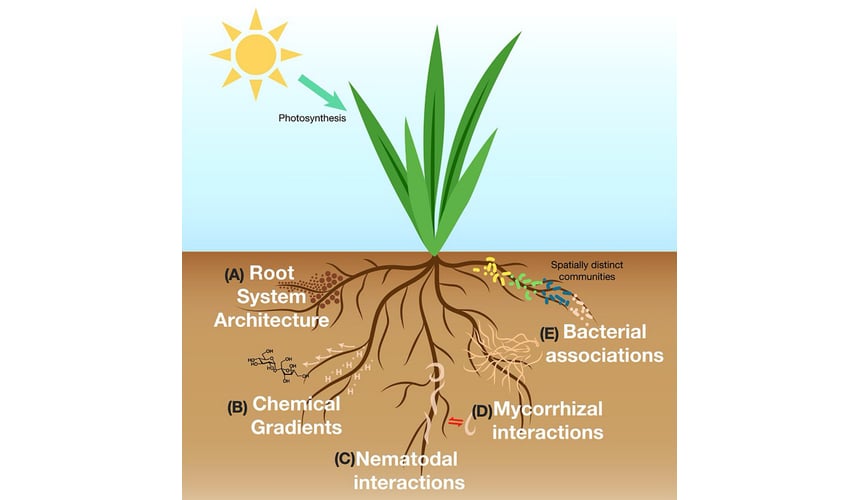
Beneficial fungal species form associations with plant roots and the soil environment, influencing various aspects of plant physiology and development. These interactions may involve enhanced nutrient acquisition and adaptation to certain environmental conditions. Different fungal groups exhibit distinct mechanisms in their contributions to plant vigor.
Cropenta Insight
Understanding the specific mechanisms by which beneficial fungal groups, such as arbuscular mycorrhizal fungi, influence plant growth and nutrient mobilization is important for evaluating microbial fertilizer solutions. Differentiating their roles in processes like phosphorus solubilization versus broad nutrient uptake helps professionals interpret research findings and assess the practical implications for optimizing plant development and nutrient use efficiency in various agricultural settings.
Arbuscular Mycorrhizal Fungi: Nutrient Uptake and Environmental Management
Arbuscular mycorrhizal (AM) fungi are a widely studied group of beneficial microorganisms that establish symbiotic relationships with the roots of most plant species. These fungi form extensive hyphal networks that extend into the soil, creating a larger absorptive surface area than plant roots alone can provide. This extended network is associated with improved acquisition of less mobile nutrients, particularly phosphorus [1, 2]. Besides phosphorus, AM fungi can also influence the uptake of water and other minerals [1].
The relationship between AM fungi and plants is a complex exchange where the fungus receives carbohydrates from the plant, and in return, it contributes to the plant's nutrient supply. This interaction is not limited to nutrient transfer; it also involves shifts in plant physiological mechanisms that may influence mycorrhizal functioning under varying environmental conditions, such as elevated carbon dioxide concentrations [3]. The presence of AM fungi can be associated with plant development, improved nutrient acquisition, and processes that contribute to plant tolerance and resilience under specific conditions [1, 4].
Mechanisms of Fungal Support for Plant Growth
The primary mechanism by which AM fungi support plant growth is through their role in nutrient mobilization. By forming extensive hyphal networks, these fungi can access nutrient pools in the soil that might be unavailable to the plant's root system directly [1]. This enhanced nutrient acquisition, especially of phosphorus, can lead to more robust root development and overall plant growth [2].
The beneficial interactions extend beyond direct nutrient transfer. AM fungi may influence soil health by contributing to soil aggregation and stability, which can indirectly affect root zone activity and nutrient cycling [4]. This integrated approach, where fungi support both direct plant nutrient uptake and broader soil ecological functions, contributes to more balanced plant development and nutrient efficiency in agricultural systems.
Technical Summary
Beneficial fungi, notably arbuscular mycorrhizal fungi, enhance plant growth through various mechanisms. Their extensive hyphal networks facilitate increased nutrient acquisition, particularly phosphorus, water, and other minerals, which can lead to improved plant development and root activity. These fungi also influence soil health and plant physiological mechanisms, contributing to a plant's ability to manage certain environmental conditions and improve overall nutrient efficiency.
Disclaimer
This article has been prepared with AI assistance using publicly available sources and is intended solely for general technical and educational purposes. It does not constitute professional advice or recommendations for specific applications. Cropenta makes no warranties regarding the accuracy, completeness or applicability of the information. No rights may be derived from its contents, and Cropenta accepts no liability for its use to the extent permitted by law.
Technical Questions
How do arbuscular mycorrhizal fungi specifically aid phosphorus uptake?
Arbuscular mycorrhizal fungi extend hyphal networks far beyond the plant's root system, increasing the effective absorption surface area. This allows plants to access phosphorus that is otherwise less mobile or present in forms unavailable to roots. The fungi convert these forms into plant-accessible compounds and transport them directly to the plant in exchange for carbohydrates.
Are all beneficial fungi equally effective in all soil types?
The effectiveness of beneficial fungi can vary significantly depending on soil type, composition, and pH. Different fungal species and strains have specific environmental preferences, and their ability to colonize roots and perform their functions may be influenced by factors such as organic matter content, nutrient availability, and the existing microbial communities within the soil.
What is the distinction between survival and activity for microbial inoculants?
Survival refers to the ability of the microbial inoculant to remain viable after application and establish itself in the target environment. Activity, however, pertains to whether the surviving microbes perform their intended function, such as nutrient mobilization or root colonization, at an effective level. A high survival rate does not automatically ensure significant functional activity in the field.
Related articles



Related Products


Looking for something specific?
Our team is there to help you find the right raw materials and solutions for your formulations

