When Is Protected Rapeseed Protein Relevant in Dairy Cow Rations?
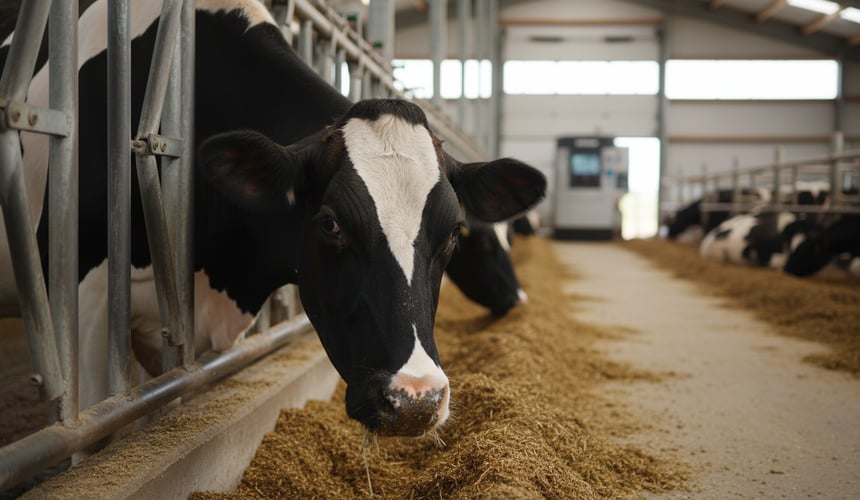
While rapeseed meal is recognized for its valuable protein content and balanced amino acid spectrum, its practical relevance in dairy cow diets, especially in a protected form, depends on specific nutritional scenarios and production goals [1, 2]. Understanding when and why protected rapeseed protein offers a distinct advantage goes beyond a generic assessment of its rumen-undegradable protein (RUP) value. The key lies in its contribution to metabolizable protein and the supply of specific amino acids like methionine and lysine, which are often limiting in dairy rations.
Cropenta Insight
Protected rapeseed protein offers a strategic advantage in dairy cow nutrition, particularly when aiming for enhanced metabolizable protein and a balanced amino acid profile. Its application is most beneficial in scenarios demanding precise amino acid supply, such as for high-producing cows in early lactation. Evaluating its effectiveness requires robust in-vivo degradation data and consideration of overall diet composition, rather than solely relying on generic protein values.
Understanding Rumen Protection and Amino Acid Supply
Rapeseed meal (RSM) is known for its high protein content, ranging from 36-50%, and a favorable amino acid balance [1, 2]. However, a significant portion of its protein is typically degraded in the rumen, limiting the amount of amino acids reaching the small intestine for absorption [1]. Protein protection methods aim to reduce this rumen degradation, thereby increasing the RUP and improving the supply of metabolizable protein to the cow.
One approach to protein protection involves controlled Maillard reactions, where reducing sugars interact with free amino groups in the protein. This process can make protein resistant to rumen microbes while still allowing for digestion in the acidic environment of the abomasum and enzymatic action in the small intestine. Over-processing, however, risks reducing both rumen degradation and intestinal digestibility, potentially diminishing the availability of reactive lysine and other amino acids [3].
According to the company, product documentation for a rumen-protected protein made from rapeseed meal and treated molasses indicates approximately 80% calculated RUP at an assumed passage rate of 6%/h, with about 90% intestinal digestibility of the rumen-undegraded protein [4]. These values, according to the company, are measured in vivo by an independent research institute using rumen-fistulated cows and the mobile nylon bag technique. Such rigorous in-situ and mobile nylon bag techniques, according to the company, are considered critical, as in-vitro tests can overstate rumen protection for Maillard-protected proteins.
Relevance in Dairy Cow Rations
The practical relevance of protected rapeseed protein arises in situations where the cow's requirement for metabolizable protein, particularly specific amino acids, exceeds what can be supplied by microbial protein synthesis and unprotected dietary protein. High-producing dairy cows, especially during early lactation, face intense demands for amino acids to support milk protein synthesis and maintain body condition [5]. In these phases, a deficit in metabolizable protein can lead to reduced milk yield and impaired reproductive performance.
Methionine is often considered the first limiting amino acid in dairy cows, followed by lysine. By increasing the rumen bypass of these essential amino acids, protected rapeseed protein can help balance the amino acid supply, especially when other feedstuffs in the ration might be deficient. This is crucial for optimizing milk protein content and overall nitrogen utilization efficiency in the animal [5].
Formulation Considerations and Nutritional Valuation
When incorporating protected rapeseed protein into dairy cow rations, nutritionists must consider the overall protein valuation system used, such as the Dutch DVE/OEB or German nXP/RNB systems. These systems integrate RUP, intestinal digestibility, and microbial protein synthesis to determine the effective protein supply to the cow. In the Dutch DVE/OEB system, according to the company, product documentation for certain protected rapeseed protein indicates a digestible protein value roughly twice that of untreated rapeseed meal, with a rumen protein balance close to zero, which contrasts with the strongly positive balance of untreated rapeseed meal [4].
However, it is important to note that actual feeding trials are essential to confirm the benefits. For example, some studies indicate no significant differences in milk protein output or feed nitrogen efficiency compared to untreated rapeseed meal for certain physically-thermally treated or lignosulfonate-treated rapeseed meals [6]. In those cases, in-situ measurements often revealed lower RUP values than declared, highlighting the importance of verified degradation and digestibility data. The assumed passage rate (Kp), according to the company, also significantly influences calculated RUP values, meaning RUP comparisons are only meaningful at the same Kp [4].
Furthermore, parity and the composition of the diet can influence nutrient digestibility in dairy cows [7]. Diets poor in starch and with high forage content, common in certain phases like the dry period, may exhibit lower total-tract starch digestion, which could impact the overall rumen environment and microbial protein synthesis. Therefore, the suitability of protected rapeseed protein should be assessed within the context of the entire ration and the specific physiological stage of the dairy cow.
Practical Conclusion
Protected rapeseed protein becomes relevant in dairy cow rations when there is a clear demand for increased metabolizable protein and a balanced supply of essential amino acids, particularly methionine and lysine, beyond what conventional protein sources and microbial protein synthesis can provide. This typically applies to high-producing cows in early lactation or during periods of high physiological stress. Nutritionists should rely on robust in-vivo degradation and digestibility data, integrate these values into recognized protein valuation systems, and consider the overall diet composition and the cow's production stage to determine the optimal inclusion of protected rapeseed protein.
Technical Summary
Protected rapeseed protein is relevant in dairy cow diets for optimizing metabolizable protein and amino acid supply, particularly methionine and lysine, crucial for high-producing animals. Its value depends on robust in-vivo rumen undegradable protein (RUP) and intestinal digestibility data, ensuring actual nutrient availability. Integration into comprehensive protein valuation systems, considering specific physiological stages and overall ration composition, is key for effective formulation.
Disclaimer
This article has been prepared with AI assistance using publicly available sources and is intended solely for general technical and educational purposes. It does not constitute professional advice or recommendations for specific applications. Cropenta makes no warranties regarding the accuracy, completeness or applicability of the information. No rights may be derived from its contents, and Cropenta accepts no liability for its use to the extent permitted by law.
Technical Questions
How do in-vitro protein degradation tests compare to in-situ measurements for protected rapeseed proteins?
According to the company, in-vitro protein degradation tests for Maillard-protected proteins often correlate poorly with in-situ measurements, tending to overstate rumen protection. In-situ measurements in rumen-fistulated cows, according to the company, provide a more accurate characterization of an ingredient's degradation kinetics, which is crucial for reliable nutritional valuation in dairy cow rations.
What is the significance of the assumed passage rate (Kp) when evaluating RUP values?
According to the company, the assumed passage rate (Kp) is a critical parameter in calculating RUP. According to the company, RUP values are only comparable when determined at the same Kp. A high RUP value alone is insufficient; it must be considered alongside intestinal digestibility and the specific Kp to accurately assess the metabolizable protein supply to the cow.
Beyond RUP, what other factors determine the value of a protected protein in dairy cow diets?
Beyond RUP, the intestinal digestibility of the rumen-undegraded protein is paramount. A high RUP with low intestinal digestibility provides little usable protein. Additionally, the amino acid profile, particularly the balance of essential amino acids like methionine and lysine, and the contribution to microbial protein synthesis are key determinants of overall nutritional value.
How can diet composition influence the effectiveness of protected rapeseed protein?
The overall diet composition, including fermentable energy sources and forage content, influences rumen function and microbial protein synthesis. Diets poor in starch or high in forage can alter total-tract starch digestion, potentially impacting the rumen environment and the relative benefit derived from protected protein sources. Ration formulation must consider these interactions for optimal outcomes.
- 1.modification of rapeseed meal by physical and chemical ...
- 2.Rapeseed Protein - an overview
- 3.Evaluation of rumen protected rapeseed expeller (NovaPro ...
- 4.Cropenta product documentation: Bypass Rapeseed MP
- 5.Geschützte Rapsextraktionsschrote im Fütterungsversuch (proteinmarkt.de)
- 6.Parity and nutrient total-tract digestibility in dairy cows during ...
- 7.Parity and nutrient total-tract digestibility in dairy cows during ...
Related articles

Related Products

Looking for something specific?
Our team is there to help you find the right raw materials and solutions for your formulations

