How Amino Acids Influence the Mobilization of Stored Nutrients in Plants
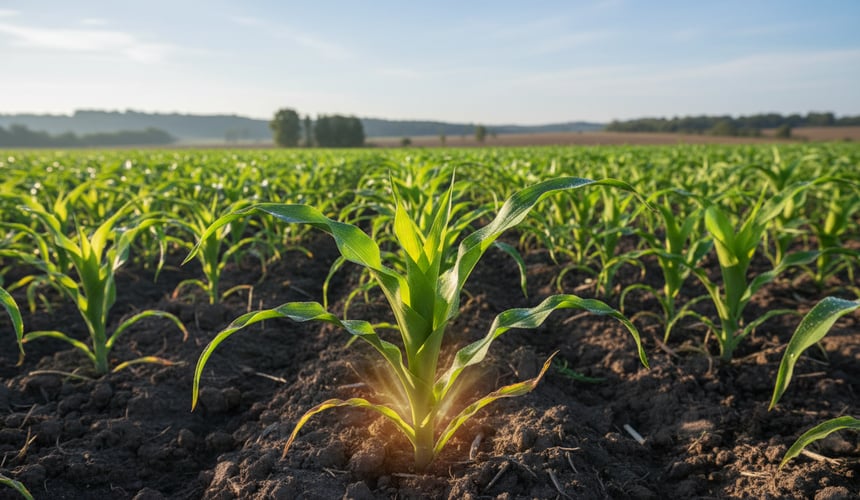
Crop plants possess sophisticated mechanisms for managing their nutrient resources, including the storage and subsequent mobilization of essential elements. While amino acids are widely recognized as building blocks for proteins, their role in facilitating the redistribution and reuse of internal nutrient reserves is also a subject of investigation. This process is crucial for sustained growth, particularly during periods of high nutrient demand or limited external supply.
Cropenta Insight
Understanding how amino acids support nutrient mobilization offers insight into optimizing plant nutrient use. The selection of specific amino acid profiles in raw materials is a focus for how plants manage internal nutrient cycles, particularly nitrogen, under various growing conditions.
Amino Acids as Nutrient Carriers
Amino acids function as key transporters for stored nutrients within the plant, moving them from older, senescing tissues to younger, metabolically active parts, such as developing leaves, fruits, or seeds. This remobilization process is particularly important for nitrogen, which is a constituent of many amino acids. When proteins in senescing leaves are degraded, the resulting amino acids can be transported via the phloem to areas of new growth. This internal recycling mechanism contributes to the plant's overall nutrient use efficiency.
Beyond their direct role in protein synthesis, amino acids like glutamine and asparagine are considered primary forms for long-distance nitrogen transport in plants. These specific amino acids are accumulated in storage organs or older leaves and then exported as part of the remobilization effort [1]. This suggests that the availability and metabolism of certain amino acids within plant cells may influence the rate and extent of nutrient relocation.
The Process of Nutrient Remobilization
Nutrient remobilization involves a coordinated series of biochemical events. Initially, complex macromolecules like proteins, nucleic acids, and lipids are broken down into their constituent parts through enzymatic degradation. In the case of nitrogen, protein degradation yields amino acids, which are then transported out of the senescing tissue. This process allows the plant to salvage valuable nutrients that would otherwise be lost as tissues age or external nutrient supplies become scarce.
The efficiency of this remobilization is a factor in how plants adapt to various environmental conditions, including nutrient limitations. Amino acids not only serve as transport vehicles but also as regulatory signals that influence metabolic pathways associated with nutrient recycling. Their involvement extends to various advantages such as assimilation of nutrients and potentially influencing overall nutrient use [2].
Physiological Implications for Crop Nutrition
The ability of amino acids to facilitate nutrient remobilization has practical implications for crop nutrition strategies. By understanding how amino acids influence the internal cycling of nutrients, particularly nitrogen, agricultural professionals may consider approaches that support these natural plant processes. The internal movement of nitrogen facilitated by amino acids may also be relevant in strategies for managing nutrient availability during different growth stages [3].
Plant species are known to absorb amino acids quickly [1]. This rapid uptake could contribute to their potential role in supporting internal nutrient dynamics, complementing external nutrient supply. Amino acids are also involved in various aspects of plant metabolism, including central carbon metabolism, where their skeletons are derived from intermediates [4]. This interplay further underscores their integral role in the plant's overall physiological management of resources.
Technical Summary
Amino acids are integral to plant nutrient management, particularly in the remobilization and transport of stored nutrients like nitrogen. They serve as carriers, moving degraded protein components from older tissues to new growth, thereby enhancing the plant's internal nutrient use. Specific amino acids, such as glutamine and asparagine, are crucial for long-distance nitrogen transport, supporting overall physiological adaptation to varying nutrient availability and demands.
Disclaimer
This article has been prepared with AI assistance using publicly available sources and is intended solely for general technical and educational purposes. It does not constitute professional advice or recommendations for specific applications. Cropenta makes no warranties regarding the accuracy, completeness or applicability of the information. No rights may be derived from its contents, and Cropenta accepts no liability for its use to the extent permitted by law.
Technical Questions
Which amino acids are primarily involved in long-distance nitrogen transport during nutrient remobilization?
Glutamine and asparagine are commonly considered the primary amino acids for long-distance nitrogen transport in plants. These compounds are rich in nitrogen and can be efficiently moved through the plant's vascular system from older, senescing tissues to actively growing parts, playing a significant role in nitrogen reallocation and overall plant nutrient efficiency.
How does amino acid metabolism contribute to a plant's ability to cope with nutrient scarcity?
Amino acid metabolism allows plants to efficiently recycle nitrogen and carbon from stored proteins in aging tissues. By breaking down proteins into amino acids, the plant can remobilize these building blocks to support new growth in younger organs, helping to sustain physiological processes even when external nutrient supply is limited. This internal recycling mechanism is important for plant survival and productivity.
What is the distinction between amino acid uptake and nutrient remobilization in plants?
Amino acid uptake refers to the plant's absorption of amino acids from external sources, such as soil or foliar applications. Nutrient remobilization, on the other hand, describes the internal process where the plant breaks down complex molecules in older tissues to release stored nutrients, which are then transported to newer growth areas. Both processes involve amino acids but represent different aspects of nutrient management.
Related articles
Related Products



Looking for something specific?
Our team is there to help you find the right raw materials and solutions for your formulations

