How Different Fatty Acid Profiles Influence Fat Digestibility in Ruminants
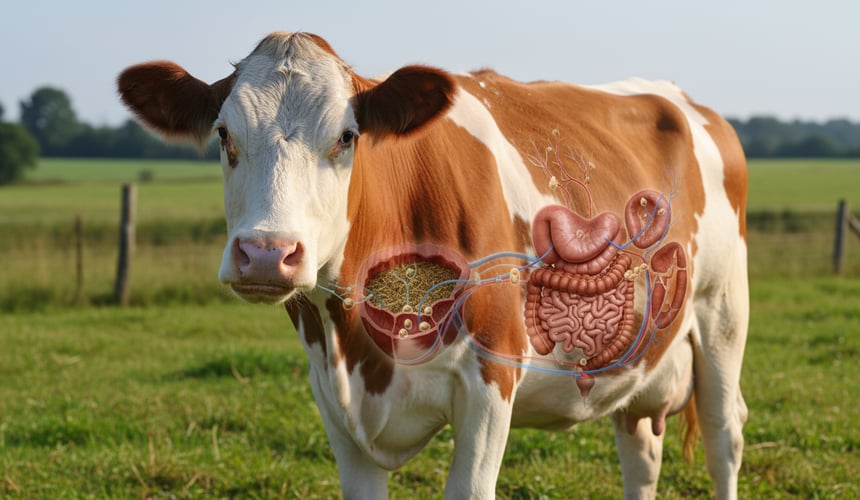
Dietary fats are integral to ruminant nutrition, providing a concentrated source of energy. However, the energy derived from these fats is not solely dependent on their total inclusion level; the specific fatty acid profile plays a significant role in their digestibility and subsequent metabolic utilization. The complex digestive system of ruminants, particularly the rumen's microbial activity, introduces particular challenges and transformations to dietary fats that ultimately influence their absorption in the small intestine.
Cropenta Insight
Understanding how different fatty acid profiles affect fat digestibility in ruminants is essential for feed formulation. Saturated fatty acids, especially 18:0, often exhibit lower digestibility when intake increases, while protected fat forms can offer improved intestinal absorption. These nuances help support effective energy delivery in ruminant diets, ensuring formulation decisions account for both rumen metabolism and post-ruminal digestion dynamics.
Rumen Biohydrogenation and Fatty Acid Transformations
In ruminants, dietary fatty acids undergo significant transformations in the rumen through a process known as biohydrogenation. This microbial process involves the conversion of unsaturated fatty acids (UFA) to more saturated forms. For example, highly unsaturated fatty acids like linolenic acid (C18:3) and linoleic acid (C18:2) are extensively biohydrogenated to stearic acid (C18:0) by rumen microorganisms [1]. This process serves to detoxify the rumen environment from potentially harmful effects of excessive UFA and provides hydrogen for microbial growth.
The extent of biohydrogenation can vary depending on several factors, including the type and amount of UFA in the diet, the composition of the rumen microbial population, and the passage rate of digesta through the rumen. Incomplete biohydrogenation can lead to the accumulation of various trans fatty acid intermediates, which may also influence subsequent digestibility.
Intestinal Absorption and Fatty Acid Digestibility
While rumen biohydrogenation significantly alters the fatty acid profile entering the small intestine, the digestibility of these fatty acids in the intestine is also a critical determinant of overall fat utilization. Research indicates that the digestibility of fatty acids generally decreases as total fatty acid intake and flow to the intestine increase, particularly for stearic acid (18:0), which shows a more pronounced reduction in digestibility [2]. This observation highlights that even after biohydrogenation, the specific saturation level of fatty acids reaching the small intestine can influence their absorption efficiency.
A study exploring various ruminant diets measured nutrient digestibility, including fat digestibility. The findings suggested that the characteristics of rumen fermentation and the resulting fatty acid profiles can influence overall nutrient utilization [1]. Dietary factors such as high fiber and fat concentrations in the ration may also contribute to a reduction in overall nutrient digestibility [3].
Influence of Fatty Acid Saturation
The degree of saturation in dietary fats plays a role in their post-ruminal digestibility. This difference is partly attributed to their melting points and solubility characteristics within the intestinal lumen. Highly saturated fats may form insoluble complexes with calcium or magnesium in the intestine, potentially affecting their absorption.
Furthermore, the physical form of lipid supplements, alongside their fatty acid profile and degree of saturation, can significantly influence digestibility and animal response [4]. This suggests that nutritional strategies may involve not only selecting fats based on their fatty acid composition but also considering how these fats are presented to the animal to support optimal digestibility.
Implications for Feed Formulation
For feed formulators, understanding the interplay between dietary fatty acid profiles, rumen biohydrogenation, and intestinal digestibility is essential for optimizing the energy value of fats in ruminant diets. Fats rich in unsaturated fatty acids, while potentially providing higher energy content, may undergo extensive biohydrogenation in the rumen, leading to a higher proportion of saturated fatty acids entering the small intestine. This could influence overall fat digestibility and energy availability.
Careful consideration of the fatty acid composition of fat supplements, whether from vegetable oils, animal fats, or blended products, is important. Balancing the overall dietary fatty acid profile can help manage rumen fermentation and support efficient intestinal fat absorption, thereby contributing to the overall energy supply for ruminant animals.
Technical Summary
The specific fatty acid profile of dietary fats profoundly influences their digestibility and energy contribution in ruminants. Rumen biohydrogenation converts unsaturated fatty acids into more saturated forms, which, along with increasing total fatty acid intake, can reduce intestinal digestibility, particularly for stearic acid. Understanding these transformations and the impact of saturation on intestinal absorption is critical for optimizing fat utilization and energy efficiency in ruminant feed formulations.
Disclaimer
This article has been prepared with AI assistance using publicly available sources and is intended solely for general technical and educational purposes. It does not constitute professional advice or recommendations for specific applications. Cropenta makes no warranties regarding the accuracy, completeness or applicability of the information. No rights may be derived from its contents, and Cropenta accepts no liability for its use to the extent permitted by law.
Technical Questions
How does rumen biohydrogenation affect the fatty acid profile available for intestinal absorption?
Rumen biohydrogenation by microbes converts dietary unsaturated fatty acids into more saturated forms, such as stearic acid. This process alters the fatty acid profile entering the small intestine, potentially influencing subsequent intestinal absorption efficiency and the overall energy value of the fat, as saturated fatty acids often exhibit different digestibility kinetics.
What factors can influence the extent of fatty acid digestibility in the ruminant small intestine?
Several factors affect intestinal fatty acid digestibility, including the degree of saturation, the total fatty acid intake, and the interaction with other dietary components like calcium and fiber. Highly saturated fatty acids, particularly stearic acid, may have reduced digestibility, especially at higher intake levels, due to factors such as micelle formation and solubility.
Why is it important for formulators to consider both the rumen and intestinal phases of fat digestion?
Formulators must consider both phases because rumen biohydrogenation drastically changes the fatty acid profile before it reaches the intestine. The digestibility of these modified fatty acids in the intestine ultimately determines the metabolizable energy. Optimizing fat supplements requires strategies that account for rumen interactions while also supporting efficient absorption post-ruminally.
Related articles

Related Products


Looking for something specific?
Our team is there to help you find the right raw materials and solutions for your formulations

