Comparing Rumen-Protected Protein Sources for Amino Acid Supply
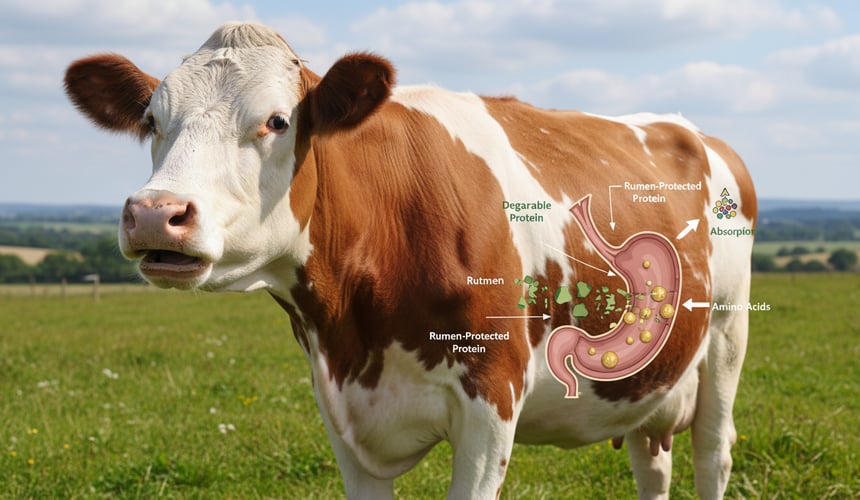
Optimizing amino acid delivery to ruminants is a critical aspect of modern animal nutrition, particularly in high-producing dairy and beef cattle. Rumen-protected protein sources play a pivotal role by ensuring a portion of dietary protein bypasses microbial degradation in the rumen, making essential amino acids available for absorption in the small intestine. This article explores the comparative effectiveness of different rumen-protected protein sources and how their characteristics influence metabolizable protein supply and overall amino acid utilization.
Cropenta Insight
Understanding the intestinal digestibility and amino acid profile of rumen-protected protein sources is crucial for formulators. While various protection methods aim to increase bypass, the effectiveness in delivering specific amino acids to the small intestine can vary significantly between ingredients. Formulators should consider both the degree of rumen protection and the subsequent post-ruminal digestibility when evaluating potential protein sources for ruminant diets.
The Role of Rumen Undegradable Protein (RUP)
Ruminants rely on two primary sources of protein: microbial protein synthesized in the rumen and rumen undegradable protein (RUP), also known as bypass protein. Microbial protein is generally considered high-quality due to its balanced amino acid profile, but its synthesis can be limited by fermentable energy and nitrogen availability [1]. To meet the amino acid requirements of high-producing animals, supplemental RUP is often necessary. The challenge lies in selecting RUP sources that not only bypass rumen degradation effectively but also offer high intestinal digestibility, ensuring the essential amino acids are truly available to the animal [2].
Different processing techniques are employed to create rumen-protected proteins, ranging from heat treatment to chemical modification. These methods aim to alter the protein structure, reducing its susceptibility to microbial enzymes in the rumen without impairing its enzymatic digestion in the abomasum and small intestine. The effectiveness of these methods varies, and can influence the amino acid profile and overall digestibility of the final product.
Evaluating Rumen-Protected Protein Sources
Studies indicate that specific rumen-protected amino acid supplementation can contribute to reduced ruminal ammonia levels in dairy cows, suggesting an impact on protein degradation in the rumen [3, 4]. This may lead to more efficient nitrogen utilization by the animal. Such findings highlight that not all protein sources, even when protected, contribute equally to the metabolizable protein pool or have the same impact on ruminal dynamics.
The type of protein source and its protection method can influence the flow of amino acids to the small intestine. For example, some sources may be highly protected in the rumen but have compromised intestinal digestibility, leading to lower net amino acid absorption. Conversely, a less protected source with very high intestinal digestibility might still contribute significantly to the animal's metabolizable protein supply if its total bypass is adequate. Therefore, evaluating RUP sources requires a comprehensive understanding of both their rumen escape characteristics and their intestinal availability.
Implications for Ingredient Selection and Formulation
Selecting appropriate rumen-protected protein sources for dairy and beef cattle diets involves considering multiple factors beyond crude protein content. Formulators should analyze the specific amino acid profile of each RUP source and assess its true intestinal digestibility, which is the proportion of RUP that is actually digested and absorbed in the small intestine. Data from in situ and in vitro digestibility studies, along with in vivo performance trials, provide valuable insights into the nutritional value of different protected protein ingredients. Prioritizing sources that deliver a balanced profile of limiting amino acids, such as lysine and methionine, can support milk protein production and lean tissue accretion in beef cattle.
The frequency and consistency of rumen-protected protein supplementation may also affect total-tract digestibility and animal performance. Research indicates that the source and feeding frequency of protected protein can influence nutrient utilization [2]. This suggests that ration formulation should not only focus on the quantity and type of RUP but also on how it is integrated into the daily feeding program to support its effectiveness.
Technical Summary
Comparing rumen-protected protein sources involves assessing their rumen bypass efficiency and subsequent intestinal digestibility. Research indicates that specific rumen-protected amino acid supplementation can influence ruminal ammonia and nitrogen utilization in dairy cows. Ingredient selection should consider sources with a balanced amino acid profile and high true intestinal digestibility, understanding how protection methods affect the ultimate metabolizable protein supply for ruminants.
Disclaimer
This article has been prepared with AI assistance using publicly available sources and is intended solely for general technical and educational purposes. It does not constitute professional advice or recommendations for specific applications. Cropenta makes no warranties regarding the accuracy, completeness or applicability of the information. No rights may be derived from its contents, and Cropenta accepts no liability for its use to the extent permitted by law.
Technical Questions
How do different rumen protection methods affect the bioavailability of amino acids?
Various protection methods, such as heat or chemical treatments, aim to reduce protein degradation in the rumen. However, the effectiveness varies; some methods may compromise intestinal digestibility, leading to reduced bioavailability of amino acids post-rumen. A balance between rumen protection and intestinal enzyme accessibility is crucial for optimal amino acid supply.
What key metrics should formulators consider when selecting rumen-protected protein sources?
Formulators should evaluate the rumen undegradable protein (RUP) content, the specific amino acid profile (especially lysine and methionine), and the true intestinal digestibility of the RUP. These metrics collectively determine the actual metabolizable protein and amino acid supply available to the animal, influencing overall nitrogen utilization and performance outcomes.
Can rumen-protected protein sources influence ruminal fermentation dynamics?
Yes, by reducing the amount of protein degraded in the rumen, rumen-protected protein sources can decrease ruminal ammonia levels. This shift can impact microbial protein synthesis and overall ruminal fermentation, potentially leading to improved nitrogen utilization efficiency and a more stable ruminal environment for optimal digestion.
How does the frequency of rumen-protected protein supplementation affect its efficacy?
The frequency and consistency of rumen-protected protein supplementation can influence its overall efficacy. Consistent delivery ensures a steady supply of bypass protein, potentially affecting apparent total-tract digestibility and sustained amino acid flow to the small intestine. This factor is important for optimizing feeding strategies and nutrient delivery.
Related articles



Related Products

Looking for something specific?
Our team is there to help you find the right raw materials and solutions for your formulations

