How Amino Acids and Peptides Act as Signaling Molecules in Plants?
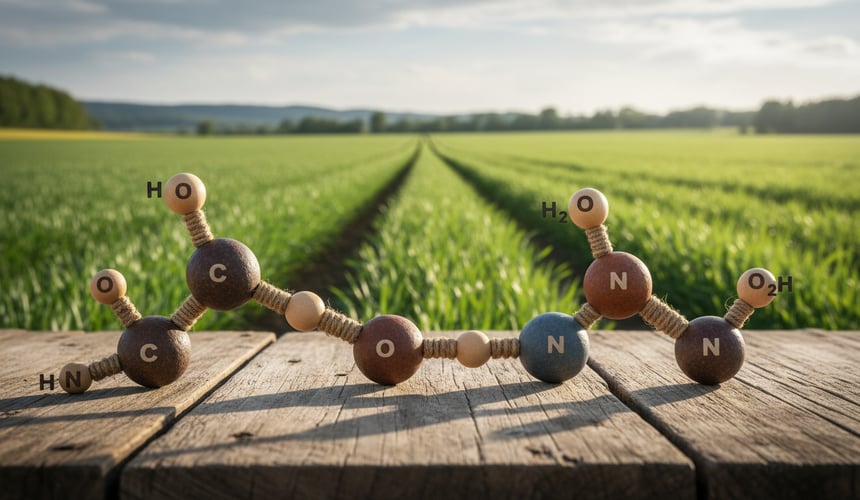
Amino acids and peptides are widely recognized as fundamental building blocks for proteins. However, their functions in plants extend far beyond this structural role. Emerging research indicates that these molecules also operate as critical signaling agents, communicating vital information throughout the plant to influence growth, development, and environmental responses. This signaling capacity allows plants to adapt to changing conditions and coordinate their physiological processes.
Cropenta Insight
Understanding how amino acids and peptides function as signaling molecules is relevant for professionals working with specialty fertilizers and biostimulants. These insights help to interpret how exogenously applied amino acids may influence plant metabolism and stress responses, potentially reprogramming gene expression. This perspective is key for developing formulations that support plant communication pathways, enhancing overall plant development and resilience in varying agronomic conditions.
Amino Acids and Peptides as Internal Messengers
Within plants, amino acids are central metabolic intermediates. They serve as metabolic signals that convey information about nutrient status, the plant's developmental stage, and various environmental factors [1]. For instance, some amino acids can trigger the expression of specific genes involved in nutrient assimilation and transport, effectively reprogramming plant metabolism. This demonstrates a sophisticated internal communication system where the presence or absence of certain amino acids can initiate a cascade of physiological adjustments [2].
Peptides, which are small chains of amino acids (typically less than 100 amino acids long), are also increasingly recognized as pivotal signaling molecules. These small peptides are involved in a wide array of important biological processes, including plant development and adaptation to environmental challenges [3]. They can act as messengers that regulate cellular processes, tissue differentiation, and responses to external stimuli, providing a finely tuned control mechanism for plant functions.
Coordinating Plant Stress Responses
One significant area where amino acids and peptides demonstrate their signaling capabilities is in plant responses to environmental pressure. Proline, for example, is an amino acid that plays a particularly important role in helping plants cope with various forms of stress. It is known to accumulate in most plant species when exposed to conditions such as drought, salinity, or extreme temperatures, indicating its involvement in defense mechanisms [4].
The accumulation of such amino acids is not merely a passive response; it suggests an active signaling function that helps the plant manage and recover from pressure. These molecules can interact with various cellular components, initiating protective pathways that help maintain cellular integrity and metabolic activity under adverse conditions. The coordinated action of amino acids and peptides helps plants mount an effective and timely response, ensuring physiological stability and potential for recovery.
Agronomic Relevance in Plant Nutrition
For agricultural professionals, recognizing amino acids and peptides as signaling molecules can influence approaches to plant nutrition. The exogenous application of amino acids may not only supply essential nutrients but also activate internal signaling pathways that prepare plants for better responses to environmental pressure [2]. This suggests a more dynamic interaction between applied nutrients and plant physiology than previously understood, moving beyond a simple supply-and-demand model for essential building blocks.
By influencing gene expression and metabolic pathways, these signaling molecules may contribute to improved nutrient uptake efficiency and overall plant resilience. Understanding these intricate communication networks provides a foundation for developing products and strategies that support plant health and performance under various cultivation conditions.
Technical Summary
Amino acids and peptides serve as crucial signaling molecules in plants, extending their roles beyond protein synthesis. They convey information about nutrient status and developmental stage, influencing gene expression and metabolic pathways. Small peptides regulate diverse biological processes, including development and stress responses. Amino acids like proline accumulate under environmental pressure, acting as signals to coordinate plant defense mechanisms and facilitate adaptation. Recognizing these signaling functions can inform advanced plant nutrition strategies.
Disclaimer
This article has been prepared with AI assistance using publicly available sources and is intended solely for general technical and educational purposes. It does not constitute professional advice or recommendations for specific applications. Cropenta makes no warranties regarding the accuracy, completeness or applicability of the information. No rights may be derived from its contents, and Cropenta accepts no liability for its use to the extent permitted by law.
Technical Questions
How do plants specifically use amino acid signals to adjust their metabolism?
Plants use amino acid signals to inform internal nutrient status. For instance, the presence of certain amino acids can upregulate or downregulate genes involved in nutrient assimilation and transport. This helps the plant prioritize metabolic pathways, ensuring efficient use of available resources and adjusting its growth and development in response to nutrient availability.
Are there different types of peptides involved in plant signaling?
Yes, various types of small peptides function as signaling molecules. These can range from a few amino acids to larger chains, each with specific roles. They regulate processes such as root development, flowering time, and defense responses. Their diversity allows for precise and localized communication within different plant tissues and in response to varied stimuli.
How does the accumulation of amino acids like proline contribute to stress responses beyond signaling?
Beyond signaling, the accumulation of amino acids such as proline under environmental pressure contributes to osmotic adjustment within plant cells. Proline helps stabilize proteins and membranes, protecting cellular structures from damage caused by conditions like drought or salinity. This dual function underscores its critical role in helping plants endure and recover from adverse conditions.
Can external application of amino acids influence these internal signaling pathways?
External application of amino acids may indeed influence internal signaling pathways. Research suggests that exogenously applied amino acids can act as signals that reprogram plant metabolism, potentially inducing the expression of transporter and assimilation genes. This means that carefully formulated amino acid products might not just provide nutrients but also trigger beneficial physiological adjustments in plants.
Related articles



Related Products



Looking for something specific?
Our team is there to help you find the right raw materials and solutions for your formulations

