How Does Betaine Help Plants Maintain Cell Water Balance Under Stress?
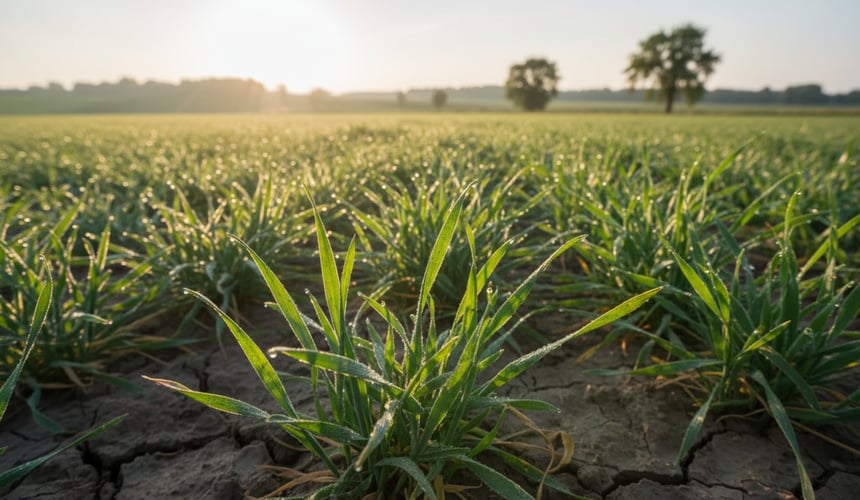
Plants frequently encounter environmental stressors like drought and salinity, which can severely impact their cellular water balance. Maintaining hydration and turgor is fundamental for plant growth and survival. Glycine betaine (GB), a naturally occurring osmoprotectant, plays a notable role in assisting plants to manage these osmotic challenges [1, 2].
Cropenta Insight
Understanding how osmoprotectants like glycine betaine function at a cellular level is key for professionals evaluating biostimulant raw materials. The ability of glycine betaine to stabilize proteins and maintain turgor under stress conditions offers a meaningful physiological distinction for its application in crop nutrition strategies, particularly in regions prone to water-deficit conditions or elevated soil salinity.
Physiological Role of Glycine Betaine
Osmotic stress, often induced by drought or high salinity, leads to rapid changes in solvent concentration around plant cells, prompting water to move out of the cells [3, 4]. This osmotic imbalance can disrupt cellular functions and reduce turgor, which is the internal pressure maintaining cell rigidity and plant structure.
Glycine betaine helps plants counteract these effects by acting as a compatible solute. Compatible solutes are small organic molecules that accumulate in the cytoplasm without interfering with metabolic processes, thereby increasing the cellular osmotic potential. This accumulation enables cells to retain water, maintain turgor pressure, and protect essential cellular components like proteins and membranes from dehydration-induced damage [1].
Mechanisms of Cellular Protection
When plants are exposed to osmotic stress, the synthesis and accumulation of glycine betaine are often initiated as a defense mechanism . The presence of glycine betaine in the cytoplasm may help stabilize enzyme activity and protein structures, allowing metabolic pathways to continue functioning under otherwise unfavorable conditions. This stabilization is considered important for reducing the accumulation of harmful compounds and maintaining nutrient uptake when plants are under pressure [1].
By contributing to osmotic adjustment, glycine betaine helps plants maintain cellular water content, which is crucial for overall plant health. This mechanism is relevant for supporting plant function in environments characterized by water scarcity or high salt concentrations, contributing to a plant's ability to cope with these conditions [2].
Agronomic Relevance in Stress Environments
The role of glycine betaine in supporting plant water balance has agronomic implications, especially in regions affected by recurrent drought or salinity. By assisting plants in maintaining cellular hydration and physiological activity, glycine betaine may contribute to supporting crop resilience when faced with these environmental challenges. This can be a factor in stress-exposed cultivation settings where sustaining crop performance under variable conditions is important.
Understanding these physiological mechanisms provides insights into how certain compounds may influence plant responses to osmotic stress, offering considerations for nutrient management strategies aimed at supporting plant function in challenging environments.
Technical Summary
Glycine betaine acts as a compatible solute in plants, accumulating in cells to maintain osmotic potential and cellular water balance under drought and salinity stress. This mechanism may help stabilize protein structures and preserve turgor, which is important for maintaining physiological functions and nutrient uptake. Its role in osmotic adjustment helps plants cope with environmental pressures, supporting their overall function in stressful conditions.
Disclaimer
This article has been prepared with AI assistance using publicly available sources and is intended solely for general technical and educational purposes. It does not constitute professional advice or recommendations for specific applications. Cropenta makes no warranties regarding the accuracy, completeness or applicability of the information. No rights may be derived from its contents, and Cropenta accepts no liability for its use to the extent permitted by law.
Technical Questions
What is the primary function of glycine betaine in plant cells under stress?
Glycine betaine primarily acts as a compatible solute, accumulating in the cytoplasm to increase osmotic potential. This helps plant cells retain water, maintain turgor pressure, and protect essential cellular components like proteins and membranes from dehydration damage during osmotic stress caused by drought or high salinity.
How does glycine betaine help maintain nutrient uptake in stressed plants?
By stabilizing enzyme activity and protein structures, glycine betaine may allow metabolic pathways to continue functioning under stress conditions. This physiological support helps reduce the accumulation of harmful compounds and maintain cellular integrity, which is indirectly associated with the plant's capacity for nutrient uptake even when water is scarce or salt levels are high.
In which environmental conditions is glycine betaine particularly relevant for plants?
Glycine betaine is particularly relevant in environments characterized by osmotic stress, which includes drought conditions where water availability is limited and saline soils where high salt concentrations impact water absorption. Its mechanisms may support plant function and resilience in these challenging cultivation settings.
Related articles
Related Products



Looking for something specific?
Our team is there to help you find the right raw materials and solutions for your formulations

