How Silicon Influences the Strength and Rigidity of Plant Cell Walls
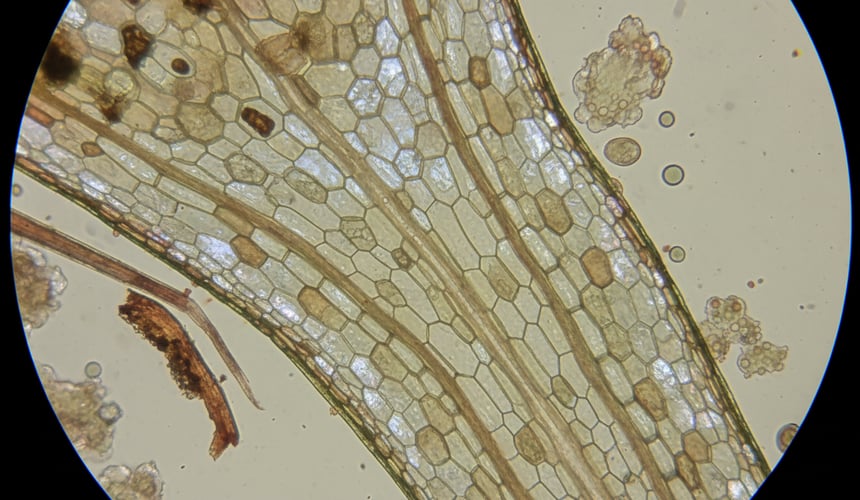
Silicon (Si) is widely recognized for its beneficial role in plant physiology, particularly concerning structural integrity. While not universally classified as an essential nutrient, silicon's accumulation within plant tissues, especially in cell walls, is associated with a range of physiological responses that contribute to plant robustness [1, 2].
Cropenta Insight
Silicon's structural role in plant cell walls is a key consideration for agricultural professionals. Understanding how silicon deposition enhances cell wall rigidity and mechanical strength may inform decisions regarding nutrient management programs, particularly in cultivation systems where plant architecture and resilience to physical pressures are important. This insight helps clarify silicon's value beyond general stress mitigation.
Silicon Deposition and Cell Wall Reinforcement
Upon uptake by plants, silicon is primarily transported as monosilicic acid (Si(OH)4). Once inside plant cells, particularly in epidermal tissues and vascular bundles, monosilicic acid can polymerize and deposit as amorphous silicon dioxide (SiO2·nH2O), often referred to as silica. This deposition frequently occurs within and between cell wall components [2].
The integration of silicon into the cell wall is associated with significant changes in the wall's composition and organization. Research indicates that silicon and boron, for example, may contribute to reinforcing cell walls by interacting with their structural components [1]. This interaction can alter the mechanical properties of the cell wall, leading to increased strength and rigidity.
Mechanical Strength and Plant Rigidity
The enhanced mechanical strength from silicon deposition may contribute to a plant's physical robustness. The silica layer deposited within cell walls can act as a physical barrier, which may offer structural support. This physical reinforcement can make plant tissues less prone to lodging and mechanical damage [3].
Furthermore, changes in cell wall composition and organization due to silicon may influence the overall rigidity of the plant. A more rigid cell wall structure can support turgor pressure more effectively, potentially contributing to plant erectness and the maintenance of leaf angles that are favorable for light interception. These structural alterations are considered in discussions surrounding plant responses to various environmental conditions, including those that impose physical challenges on plant architecture [4].
Agronomic Relevance of Silicon
The ability of silicon to influence cell wall strength and rigidity has agronomic implications. In cultivation systems where crops are exposed to external pressures, such as wind or heavy rainfall, enhanced structural integrity may be relevant. The deposition of silicon within cell walls is also considered in the context of physiological processes that modulate responses to osmotic conditions, drought pressure, and salinity stress [4]. The structural integrity provided by silicon is thought to contribute to the overall resilience of plants in such environments.
Technical Summary
Silicon, taken up as monosilicic acid, integrates into plant cell walls by depositing as amorphous silica. This deposition is associated with modifications to cell wall composition and organization, which may contribute to enhanced mechanical strength and rigidity. These structural reinforcements can play a role in supporting overall plant robustness and maintaining physical integrity under various environmental conditions, influencing plant architecture and resilience.
Disclaimer
This article has been prepared with AI assistance using publicly available sources and is intended solely for general technical and educational purposes. It does not constitute professional advice or recommendations for specific applications. Cropenta makes no warranties regarding the accuracy, completeness or applicability of the information. No rights may be derived from its contents, and Cropenta accepts no liability for its use to the extent permitted by law.
Technical Questions
What is the primary form of silicon taken up by plants?
Plants primarily absorb silicon from the soil in the form of monosilicic acid, also known as orthosilicic acid. This soluble form is readily transported through the plant's vascular system before it polymerizes and deposits in various tissues, including the cell walls.
How does silicon contribute to plant structural integrity?
Silicon contributes to structural integrity by depositing as amorphous silica within and between plant cell wall components. This deposition may alter the cell wall's composition and organization, which is associated with increased mechanical strength and rigidity, potentially making tissues more robust.
Is silicon considered an essential nutrient for all plants?
While silicon provides clear benefits to many plant species, it is not universally classified as an essential nutrient for all plants according to strict definitions. However, its widespread positive effects on plant health, particularly in enhancing structural properties and stress responses, are broadly recognized in agriculture.
Related articles
Related Products


Looking for something specific?
Our team is there to help you find the right raw materials and solutions for your formulations

