How Sulfate Uptake Systems Impact Sulfur Availability in Plants
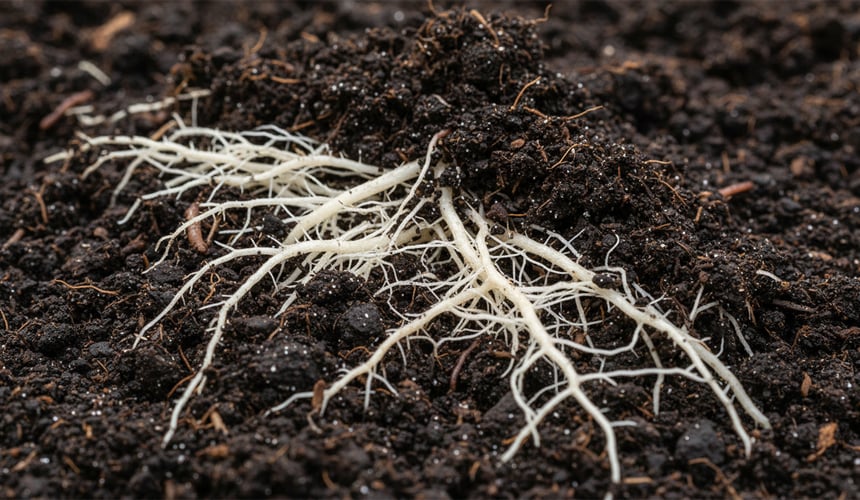
Plants acquire essential nutrients from the soil to support their growth and development. Among these, sulfur is vital, participating in numerous metabolic processes. The acquisition of sulfur primarily occurs through the uptake of sulfate from the soil, a process managed by specific transport systems within the plant. Understanding how these sulfate uptake systems function can provide insights into maintaining adequate sulfur availability for various physiological needs.
Cropenta Insight
The efficiency of sulfate uptake systems is a key factor in how plants acquire and utilize sulfur. Understanding these mechanisms is relevant for managing sulfur nutrition, especially in conditions where soil sulfur availability may vary.
The Role of Sulfate Transporters in Plant Sulfur Acquisition
Plants take up sulfate (SO₄²⁻) directly from the soil through a network of specialized proteins known as sulfate transporters (SULTRs) [1]. These transporters are crucial for moving sulfate from the external soil environment into root cells and then distributing it throughout the plant to where it is needed for metabolic processes. Different types of SULTRs are involved in various aspects of sulfate transport, including high-affinity uptake from nutrient-poor soils and transport within the plant tissues [2].
The efficiency of these sulfate transporters is a significant factor in a plant's ability to maintain adequate sulfur levels. For instance, some transporters are specifically active in the roots, facilitating the initial acquisition of sulfate, while others are involved in remobilizing sulfur within the plant, such as from older leaves to younger, developing tissues [1]. This coordinated transport system helps ensure that sulfur is allocated effectively to support processes like protein synthesis and the formation of sulfur-containing compounds.
Sulfur Availability and Plant Physiological Functions
Once absorbed, sulfur becomes an integral part of several vital compounds in plants. It is a key component of amino acids like cysteine and methionine, which are fundamental building blocks for proteins. Consequently, sulfur availability is closely linked to protein synthesis and overall plant nitrogen utilization. Sulfur also plays a role in the synthesis of coenzymes and other compounds involved in metabolic regulation. The supply of sulfur can influence a plant's metabolic activity and its ability to respond to environmental conditions [1].
Variations in soil sulfur content or the effectiveness of a plant's sulfate uptake systems can therefore affect its physiological functions. For example, sulfur sources can have varying effects on vegetative indices and biomass, depending on sampling stages and environmental factors [3]. Sustaining efficient sulfate uptake is an important aspect of managing crop nutrition to support plant growth and development effectively.
Technical Summary
Plants rely on dedicated sulfate uptake systems, primarily involving sulfate transporters, to acquire sulfur from the soil. The efficiency of these transporters significantly influences the overall sulfur availability within the plant, which is essential for protein synthesis, amino acid formation, and various metabolic activities. Understanding these uptake mechanisms can inform strategies for maintaining adequate sulfur nutrition to support plant health and growth.
Disclaimer
This article has been prepared with AI assistance using publicly available sources and is intended solely for general technical and educational purposes. It does not constitute professional advice or recommendations for specific applications. Cropenta makes no warranties regarding the accuracy, completeness or applicability of the information. No rights may be derived from its contents, and Cropenta accepts no liability for its use to the extent permitted by law.
Technical Questions
What is the primary form of sulfur absorbed by plants from the soil?
Plants primarily absorb sulfur from the soil in the form of sulfate ions (SO₄²⁻). This is the most bioavailable form of sulfur for plant uptake and is actively transported into root cells through specialized sulfate transporter proteins embedded in the plant cell membranes.
How do plants transport sulfate within their tissues after uptake?
After initial uptake by roots, sulfate is transported throughout the plant via the xylem to various tissues, including leaves. Specialized sulfate transporters facilitate this movement. Within cells, sulfate can be stored in vacuoles or reduced and assimilated into organic sulfur compounds such as amino acids and proteins, or remobilized from older leaves to younger tissues.
What happens if a plant's sulfate uptake system is inefficient?
An inefficient sulfate uptake system can lead to sulfur deficiency, which impacts plant growth and development. This can result in reduced protein synthesis, compromised metabolic activity, and lower yields. Symptoms often include yellowing of younger leaves, stunted growth, and altered nutrient utilization, particularly affecting nitrogen metabolism.
Related articles


Related Products



Looking for something specific?
Our team is there to help you find the right raw materials and solutions for your formulations

