Do Combined Amino Acid, Peptide and Organic Acid Formulations Support Plant Growth?
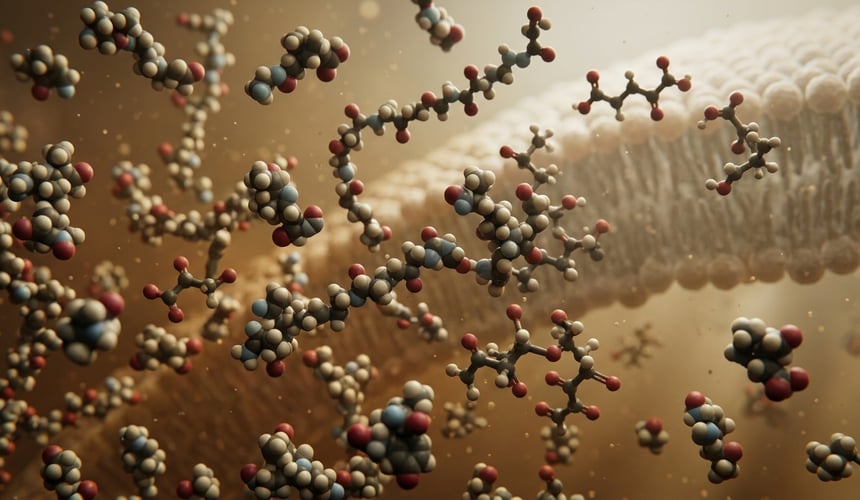
Amino acid, peptide, and organic acid formulations are frequently found together on product labels. Each component group possesses a description of its biological function: free amino acids constitute the smallest nitrogen-containing fraction, peptides are polymers derived from these units, and organic acids play a distinct role in plant metabolism. However, it is a complex question whether current research adequately tests these mixtures or examines the components separately while extrapolating results. Differentiating between data measured under specific conditions, findings shown in controlled experiments, and observations from commercial-scale applications is crucial, as the strength of evidence varies across these categories.
Cropenta Insight
Formulation chemistry introduces significant variables that complicate comparative analysis across product lines. The specific raw material, the chosen hydrolysis pathway, and the presence of minerals can alter the overall composition of a blend. Because the presence of peptide and organic acid fractions adds further complexity, evaluating the impact of one formulation requires knowledge of its precise chemical composition and the specific parameters of the trial.
What combined amino acid, peptide and organic acid formulations contain
Free amino acids are absorbed through plant leaves and roots. Within the plant, they can function as an organic nitrogen source, precursors for the plant's own metabolic processes, and as components that may aid in the solubility of certain micronutrients. Scientific studies have examined amino acid-based formulations regarding their role in nitrogen metabolism and plant reactions under specific adverse conditions, with observed results differing based on the species, application rate, and environmental context [1].
Peptides, which are chains of amino acids, may operate as signaling molecules at lower concentrations and may also function as a nitrogen source. The term organic acid encompasses a wider range of molecules; examples such as citrate, malate, and succinate are known to be Krebs cycle intermediates and may appear in root exudates. However, since this category is broad, an unnamed acid fraction on a label cannot be assessed without further technical detail regarding its chemical identity.
How combined amino acid, peptide and organic acid formulations are evaluated
Literature regarding amino acid biostimulants and protein hydrolysates aggregates a large amount of crop research, much of which focuses on commercial applications rather than specific, defined mixtures. For example, one review described a correlation between combined application of amino acids and humic acids with increased phenolic compound levels in strawberries and shifts in commercial fruit characteristics [2]. That specific work was a two-group comparison, and the experimental design did not segment the amino acid fraction from the humic fraction.
A common trial structure involves comparing a treated plot with an untreated plot, or assessing the response to varying rates of a single product, then documenting the plant or fruit outcome. In general, research evaluates what the overall product does under specific circumstances rather than isolating the individual actions of the peptide, free amino acid, and organic acid fractions. Without such isolation, the resulting data describes the entire product tested rather than the specific biological mechanism.
Evaluating the necessity of comparative trial design
Research concerning plant protein sources has explored methods for using blending to achieve a specific amino acid profile [3]. This methodology concerns chemical composition rather than observable crop responses. In the field of agronomy, determining whether a mixture behaves differently from its individual components requires a comparative design. This involves evaluating the blend against each constituent alone, using identical rates and maintaining the same experimental conditions.
Research on salinity: observations and limitations
Studies investigating amino acid biostimulants supplied in powder form have indicated that exogenous amino acids of varying types and concentrations have shown altered outcomes regarding negative effects associated with salt stress under the evaluated conditions [4]. Findings of this nature typically arise from controlled or semi-controlled experiments focusing on a particular species and specific concentrations. These results document the observations within the experimental setup, but they do not convey definitive results for a commercial crop operating under a different formulation, timing, or irrigation schedule.
Synthesizing label information and study outcomes
Chemical composition alone does not demonstrate an agronomic effect. A label listing amino acids, peptides, and organic acids describes the contents of the product, which is distinct from what the crop may utilize. When a study does not specify the product name, the crop species, the application rate, and the conditions of the trial, the resulting data is best viewed as a mechanism that is currently under investigation, rather than a standard for a field application program.
Technical Summary
Free amino acids, peptides, and organic acids may each have plausible roles in plant metabolism, but this does not establish how a formulated mixture performs. Much of the available data pertains to single components or undefined commercial products, and trials that isolate each specific fraction remain limited. Results are influenced by the raw material and hydrolysis method, meaning performance often varies between products of different manufacturing origins.
This article was created with the help of AI and reviewed by the Cropenta editorial team. It is general information, not professional advice.
Related articles
Related Products


Looking for something specific?
Our team is there to help you find the right raw materials and solutions for your formulations

