Extrusion's Impact on the Energy Value of Full-Fat Soybeans
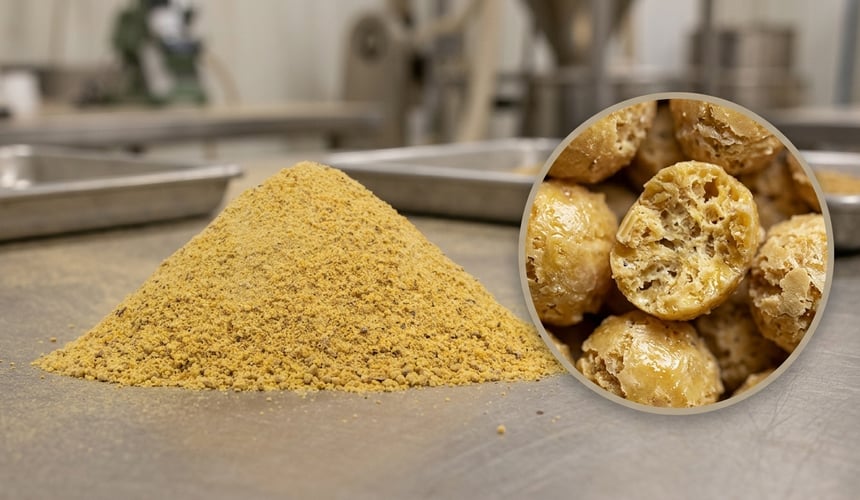
When full-fat soybeans are incorporated into animal feed, their inherent nutritional value, particularly their energy content, is heavily influenced by how they are processed. Raw soybeans contain anti-nutritional factors (ANFs) that limit nutrient utilization. Heat treatments are essential to deactivate these factors, but the choice of processing method also affects the availability of key nutrients like fat and protein. Extrusion, a thermomechanical process, is one such method widely used to affect the nutritional profile of full-fat soybeans. This article examines the specific biochemical and physical changes that occur during the extrusion of full-fat soybeans, and how these alterations contribute to their metabolizable energy value for animal species, focusing on fat and protein digestibility, with specific findings for sows.
Cropenta Insight
Understanding the specific changes induced by extrusion in full-fat soybeans is crucial for optimizing animal nutrition. This thermomechanical treatment influences both fat and protein structures, impacting nutrient availability and energy value. For feed ingredient suppliers and formulators, recognizing these mechanisms helps in evaluating the functional properties of processed soybeans, especially in formulations where digestibility is a key concern.
Extrusion Technology and Its Effects on Full-Fat Soybeans
Extrusion is a thermomechanical treatment where temperature, moisture, pressure, residence time, screw configuration, and shear forces work together as the material is forced through a die. This process differs from other heat treatments like toasting, which primarily involves thermal treatment with steam or dry heat, or roasting, which is a dry heat treatment of whole beans, typically in a drum or on a belt. Extrusion aims to reduce heat-labile anti-nutritional factors while simultaneously altering the physical and chemical structure of the soybean [1].
For full-fat soybeans, which retain their oil content, the extrusion process is critical. The intense mechanical shear and heat within the extruder can rupture the oil cells, making the soybean oil more accessible for digestion. Simultaneously, protein denaturation occurs, which can lead to changes in protein digestibility if not over-processed [1, 2]. Excessive heat, however, can damage protein quality through Maillard reactions, affecting reactive lysine and overall digestibility.
Mechanisms of Energy Value Alteration in Extruded Full-Fat Soybeans
The primary way extrusion affects the energy value of full-fat soybeans is by influencing the digestibility and availability of their major energy-contributing nutrients: fat and protein [2]. This involves several mechanisms:
Oil Availability and Fat Digestibility
Raw soybeans contain oil encapsulated within cell walls. Extrusion subjects the soybeans to high pressure and shear forces, which can effectively rupture these cell walls, releasing the oil and making it more accessible to digestive enzymes in the animal's gastrointestinal tract. A study on sow diets reported that extruded full-fat soybeans showed distinct apparent total tract digestibility (ATTD) of crude fat when compared to unextruded soybeans [2].
Protein Denaturation and Amino Acid Digestibility
Heat treatment during extrusion causes proteins to denature, uncoiling their complex structures. This can expose peptide bonds to proteolytic enzymes, potentially affecting protein and amino acid digestibility [1]. However, the extent of denaturation is crucial; under-processing leaves anti-nutritional factors active, while over-processing can lead to Maillard reactions, where reducing sugars bind to free amino groups (especially lysine), affecting its availability. Indicators like trypsin inhibitor activity (TIA) are direct measures of adequate heat treatment for monogastrics, while urease activity provides an indirect indication that heat was applied, but does not prove optimal processing. The Protein Dispersibility Index (PDI) and KOH protein solubility are also used to assess heat treatment adequacy, with each having an optimum range [2].
Research shows that extrusion can effectively reduce anti-nutritional factors, such as trypsin inhibitors, thus affecting protein digestibility. A study evaluating extruded full-fat soybeans in sow diets found optimal processing to yield a metabolizable energy content [2].
Nutritional Outcomes for Animal Species
The direct consequence of affected fat and protein digestibility is an altered metabolizable energy (ME) value of full-fat soybeans for animals. The primary study by Wang et al. (2023) investigated the chemical composition, energy content, and apparent total tract digestibility (ATTD) of nutrients in extruded full-fat soybeans for sows [2]. This change is attributed to the combined effects of ANF reduction, oil cell rupture, and protein denaturation, affecting the energy accessibility for the animal.
While the Wang et al. (2023) study focused on sows, the principles of affected fat and protein digestibility through extrusion are relevant across various monogastric species.
Implications for Feed Formulation
For feed formulators, understanding the precise impact of extrusion on full-fat soybeans allows for more accurate energy value assignments in diet formulations. The availability of fat and protein means that extruded full-fat soybeans can contribute to metabolizable energy in animal diets compared to inadequately processed counterparts [2]. This knowledge supports the rational use of extruded full-fat soybeans as a protein-energy ingredient, particularly in species where energy density and nutrient digestibility are critical, such as in high-producing sows or young animals. Careful monitoring of processing parameters (temperature, moisture, shear) is essential to maximize energy availability while avoiding over-processing, which could lead to protein damage and reduced nutritional value.
Technical Summary
Extrusion significantly impacts the energy value of full-fat soybeans by affecting fat and protein digestibility. The thermomechanical process ruptures oil cells, influencing oil availability, and denatures proteins, making them more accessible to enzymes while reducing anti-nutritional factors. For species such as sows, studies indicate that extruded full-fat soybeans can contribute to digestible and metabolizable energy, which is important for accurate feed formulation and nutrient utilization in animal diets.
Disclaimer
This article has been prepared with AI assistance using publicly available sources and is intended solely for general technical and educational purposes. It does not constitute professional advice or recommendations for specific applications. Cropenta makes no warranties regarding the accuracy, completeness or applicability of the information. No rights may be derived from its contents, and Cropenta accepts no liability for its use to the extent permitted by law.
Technical Questions
How do different heat treatments compare for influencing full-fat soybean energy value?
Extrusion uses thermomechanical forces to rupture oil cells and denature protein, generally influencing fat and protein digestibility compared to toasting or roasting. While toasting primarily affects anti-nutritional factors through dry or steam heat, extrusion's shear forces provide additional physical changes for nutrient release, impacting the overall metabolizable energy differently for various animal species and feed applications.
What indicators are used to verify optimal extrusion for full-fat soybeans?
Optimal extrusion is verified by balancing anti-nutritional factor reduction with protein quality preservation. Key indicators include trypsin inhibitor activity (TIA) for monogastrics, urease activity as a general heat indicator, and protein solubility tests like KOH protein solubility and Protein Dispersibility Index (PDI). These measures help ensure that processing has influenced nutrient availability without causing over-processing damage, such as reduced reactive lysine.
How does extrusion specifically affect oil globule rupture in full-fat soybeans?
Extrusion subjects full-fat soybeans to high pressure, temperature, and mechanical shear forces as they pass through the die. This intense thermomechanical action physically ruptures the cell walls that encapsulate oil within the soybean matrix. The disruption of these cell structures releases the oil, making it more accessible to endogenous lipases in the animal's digestive tract, thereby affecting fat digestibility and energy availability.
What are the implications of Maillard reactions in extruded full-fat soybeans?
Maillard reactions can occur during heat treatment, including extrusion, when reducing sugars react with free amino groups, particularly lysine. If controlled, these reactions can create rumen-protected protein. However, excessive heating can bind reactive lysine, affecting its digestibility and overall protein quality for monogastric animals. Monitoring processing conditions is essential to prevent severe Maillard reactions, which would affect the nutritional value of extruded full-fat soybeans.
Related articles


Related Products

Looking for something specific?
Our team is there to help you find the right raw materials and solutions for your formulations

