How Does Enzymatic Hydrolysis Affect Amino Acid and Peptide Profiles?
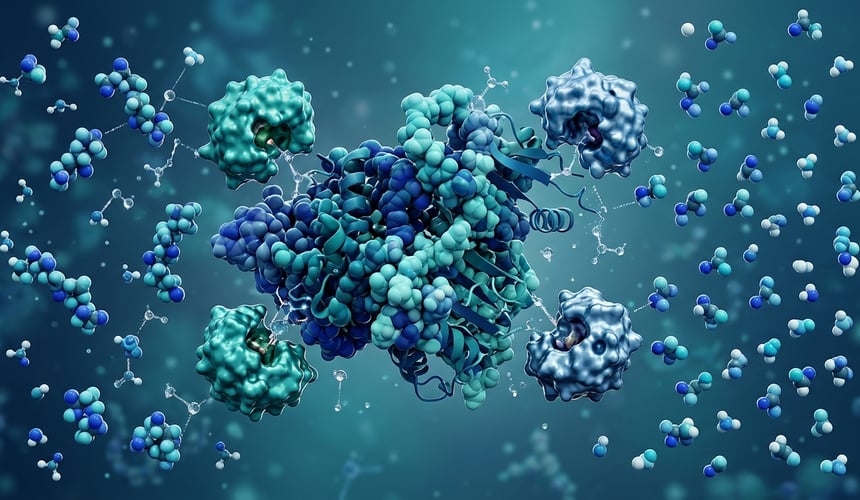
How do different ways of breaking down proteins affect the types and amounts of amino acids and peptides that end up in a product? The composition of protein hydrolysates, which are complex mixtures of free amino acids, oligopeptides, and polypeptides, is directly influenced by the method of hydrolysis used. This variation in composition is particularly relevant for products intended for agricultural applications, as the specific profile of amino acids and peptides is often considered in relation to nutrient efficiency and physiological responses in plants [1]. Understanding how different enzymatic hydrolysis amino acid profiles are generated is key to discerning the characteristics of these materials.
Cropenta Insight
This distinction is relevant for formulators assessing the suitability and compatibility of protein hydrolysates in diverse agricultural applications, from foliar sprays to fertigation solutions. An understanding of raw material processing may support selection for specific crop nutrition programs.
Enzymatic Hydrolysis and Product Composition
The impact of enzymatic hydrolysis on the specific amino acid and peptide profiles of protein hydrolysates is significant. A study investigating sequential protein hydrolysis, using alcalase followed by thermolysin on a raw material, indicated in a laboratory setting notable effects on protein digestibility and the resulting peptide profile. This sequential application of enzymes illustrates how different proteolytic activities, applied in specific orders, can precisely modulate the breakdown process. The goal is to yield distinct compositions, potentially creating hydrolysates with particular characteristics, such as an enriched branched-chain amino acid (BCAA) profile, which may influence their functional properties [2]. Such controlled processing allows for tailoring the hydrolysate composition to specific applications.
Protein hydrolysates are often derived from various agro-industrial raw materials, including plant-based sources or animal collagen, and can undergo enzymatic, chemical, or thermal hydrolysis [1].
For instance, laboratory studies have indicated that enzymatic hydrolysis, such as with pepsin, can influence the nutrient composition of protein hydrolysates derived from crude soy protein isolate [3]. Similarly, in laboratory investigations, combined extraction and enzymatic hydrolysis processes have been observed to affect protein yield and the amino acid profile of rapeseed protein, suggesting the versatility and potential of enzymatic methods to influence protein hydrolysate quality [4]. The specificity of the enzymes used, along with controlled hydrolysis conditions like pH, temperature, and reaction time, are direct determinants of the resulting peptide lengths and free amino acid ratios. This enzyme specificity allows for targeted modification of the hydrolysate's characteristics.
Agronomic Relevance of Amino Acid and Peptide Profiles
For agricultural applications, the specific types of amino acids and peptides present in a hydrolysate are considered for their potential physiological characteristics and uptake properties. Therefore, the precise enzymatic hydrolysis amino acid profiles achieved are directly relevant to product quality and potential biological characteristics.
Ultimately, the selection of enzymes and the precise hydrolysis conditions can influence the specific mix of free amino acids and peptide lengths within protein hydrolysates. This, in turn, is associated with their potential biological characteristics and overall quality for agricultural use, underscoring the importance of understanding the manufacturing process when evaluating these materials.
Technical Summary
Enzymatic hydrolysis methods directly shape the amino acid and peptide composition of protein hydrolysates. Specific enzymes and conditions, including sequential applications, can yield distinct profiles, such as enriched branched-chain amino acid compositions. The resulting mix of free amino acids and peptides is a consideration for product quality and potential biological characteristics in agricultural applications.
Disclaimer
This article has been prepared with AI assistance using publicly available sources and is intended solely for general technical and educational purposes. It does not constitute professional advice or recommendations for specific applications. Cropenta makes no warranties regarding the accuracy, completeness or applicability of the information. No rights may be derived from its contents, and Cropenta accepts no liability for its use to the extent permitted by law.
Related articles
Related Products


Looking for something specific?
Our team is there to help you find the right raw materials and solutions for your formulations

