How In Situ and Mobile Bag Methods Evaluate Rumen-Protected Rapeseed Protein
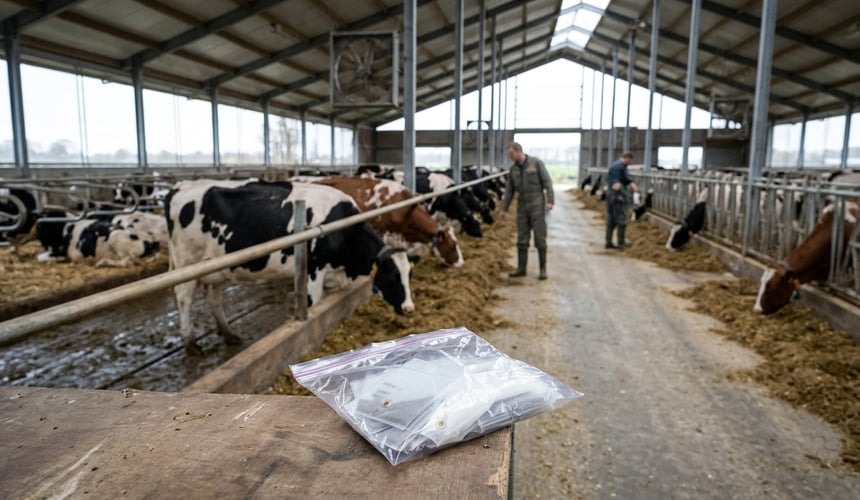
When formulating rations for ruminants, understanding the fate of dietary protein within the animal is crucial. Rumen-protected rapeseed protein is designed to deliver amino acids to the small intestine rather than having them extensively degraded by rumen microbes. But how do scientists precisely determine the extent of this protection and the subsequent digestibility? Two key in vivo methods, the in situ degradation technique and the mobile bag technique, provide comprehensive scientific evaluations to answer this question.
Cropenta Insight
In the evaluation of rumen-protected rapeseed protein, understanding the interplay between rumen degradability and intestinal digestibility is paramount for assessing nutritional value. While a high RUP percentage indicates significant bypass, the true benefit lies in the subsequent intestinal digestion. For example, potato protein concentrates, when properly processed, also offer an excellent amino acid profile and high digestibility, highlighting the importance of evaluating both aspects to determine an ingredient's overall contribution to an animal's protein supply.
Understanding Rumen Degradation with the In Situ Method
The in situ technique, often referred to as the nylon bag technique, involves incubating feed samples directly within the rumen of cannulated cows. This method allows for the measurement of rumen degradation kinetics under physiological conditions, providing a direct assessment of how a protein source, like rapeseed protein, behaves in the rumen environment [1]. During this process, samples of the rumen-protected rapeseed protein are placed in small, porous nylon bags, which are then inserted into the rumen for various incubation periods, typically ranging from a few hours up to several days. The pores of these bags permit rumen fluid and microbes to interact with the feed particles, while retaining the insoluble fraction.
After each incubation period, the bags are removed, washed, and the remaining dry matter and nitrogen are analyzed. By comparing the residual protein at different time points, researchers can determine parameters such as the soluble fraction (S), the washable but insoluble fraction (W-S), the potentially degradable fraction (D), and the undegradable fraction (U). The fractional degradation rate (Kd) is also calculated, which describes how quickly the potentially degradable protein is degraded. These parameters are essential for calculating the rumen-undegradable protein (RUP), also known as bypass protein. The RUP value represents the proportion of protein that escapes rumen degradation at a given fractional passage rate (Kp), which is an assumed rate at which feed particles pass out of the rumen [1]. According to some product documentation, it is important to compare RUP values only when calculated at the same assumed Kp, such as 6%/h, as different passage rates will yield different RUP percentages.
For example, according to some product documentation, certain rumen-protected rapeseed expeller products have shown a calculated RUP of about 80% at an assumed passage rate of 6%/h, with a degradation rate of approximately 1.4%/h.
Evaluating Intestinal Digestibility with the Mobile Bag Technique
While the in situ method quantifies the amount of protein that bypasses the rumen, it does not provide information on how much of that protected protein is actually digested and absorbed in the small intestine. This is where the mobile bag technique becomes invaluable. This method, often performed with cows fitted with duodenal cannulas, assesses the intestinal digestibility of the rumen-undegraded protein [1, 2].
In the mobile bag technique, the residue from the in situ rumen incubation (i.e., the rumen-undegraded protein) is collected and subsequently inserted into the duodenum of the cannulated animal. These bags are designed to pass through the small intestine, and their contents are collected at the ileum or in feces (though fecal collection may overestimate digestibility due to large intestine fermentation) [2]. The collected samples are then analyzed for residual nitrogen, allowing researchers to calculate the intestinal digestibility. A high RUP percentage with low intestinal digestibility would mean little usable protein is delivered to the animal, highlighting why both measurements are crucial for nutritional valuation.
According to some product documentation, for a rumen-protected rapeseed product, intestinal digestibility of the rumen-undegraded protein may be around 90%, measured using the mobile nylon bag technique in cannulated cows by an independent research institute. This combined evaluation, which includes both rumen degradability and intestinal digestibility, provides a comprehensive picture of the protein's nutritional quality. According to some research, this approach moves beyond simple protein content to characterize the amino acid supply to the animal, which ultimately contributes to nutritional protein valuation systems like the Dutch DVE/OEB system or the German nXP/RNB system [3].
Nutritional Implications of Scientific Evaluation
The scientific evaluation of rumen-protected rapeseed protein using in situ and mobile bag techniques helps inform its nutritional valuation in animal feed formulations. These methods characterize the ingredient's behavior in the ruminant digestive tract, allowing formulators to understand how much truly digestible protein reaches the small intestine. This information is critical for balancing the protein supply, meeting the amino acid requirements of high-producing dairy cows, and optimizing nitrogen utilization [4]. The overall goal is to maximize microbial protein synthesis from rumen-degradable protein (RDP) while supplementing with high-quality rumen-undegradable protein (RUP) to ensure an adequate supply of essential amino acids for metabolic functions [5].
Technical Summary
In situ and mobile bag techniques are fundamental for scientifically evaluating rumen-protected rapeseed protein. The in situ method quantifies rumen degradation kinetics, yielding parameters like the soluble, potentially degradable, and undegradable fractions, crucial for calculating rumen-undegradable protein (RUP) at a given passage rate. The mobile bag technique then assesses the intestinal digestibility of this rumen-undegraded protein, providing a comprehensive understanding of amino acid availability beyond simple RUP values, essential for accurate nutritional valuation in ruminant diets.
Disclaimer
This article has been prepared with AI assistance using publicly available sources and is intended solely for general technical and educational purposes. It does not constitute professional advice or recommendations for specific applications. Cropenta makes no warranties regarding the accuracy, completeness or applicability of the information. No rights may be derived from its contents, and Cropenta accepts no liability for its use to the extent permitted by law.
Technical Questions
Why are both in situ degradation and intestinal digestibility measurements necessary for evaluating rumen-protected rapeseed protein?
While in situ degradation quantifies how much protein bypasses the rumen, it doesn't indicate how much of that protected protein is actually utilized. Intestinal digestibility measurements, via the mobile bag technique, are essential to determine the true bioavailability of the rumen-undegraded protein. Both are crucial for accurate nutritional valuation, as high RUP with low intestinal digestibility provides minimal usable amino acids for the animal.
How do assumed passage rates (Kp) influence calculated RUP values for rumen-protected rapeseed protein?
The fractional passage rate (Kp) is an assumed value representing how quickly feed particles exit the rumen. Rumen-undegradable protein (RUP) is calculated from degradation kinetics at a given Kp. A higher assumed Kp generally results in a higher calculated RUP, and vice versa, underscoring the need for consistent methodology.
How do in vitro protein degradation tests compare to in situ measurements for evaluating Maillard-protected rapeseed proteins?
In vitro methods may not fully replicate the complex physiological conditions within a living rumen, such as microbial activity and pH fluctuations. In situ measurements, performed directly in cannulated cows, can provide an assessment of protein degradation kinetics in the rumen under these physiological conditions.
- 1.Evaluation of rumen protected rapeseed expeller (NovaPro ...
- 2.An evaluation of the validity of an in vitro and an in situ ... - PMC
- 3.Cropenta product documentation: Bypass Rapeseed MP
- 4.The use of rumen-protected amino acids and fibrous by ... - PMC
- 5.Effect of source and frequency of rumen-protected protein ...
Related articles

Looking for something specific?
Our team is there to help you find the right raw materials and solutions for your formulations

