How to Assess Raw Material Quality in Amino Acid Biostimulants
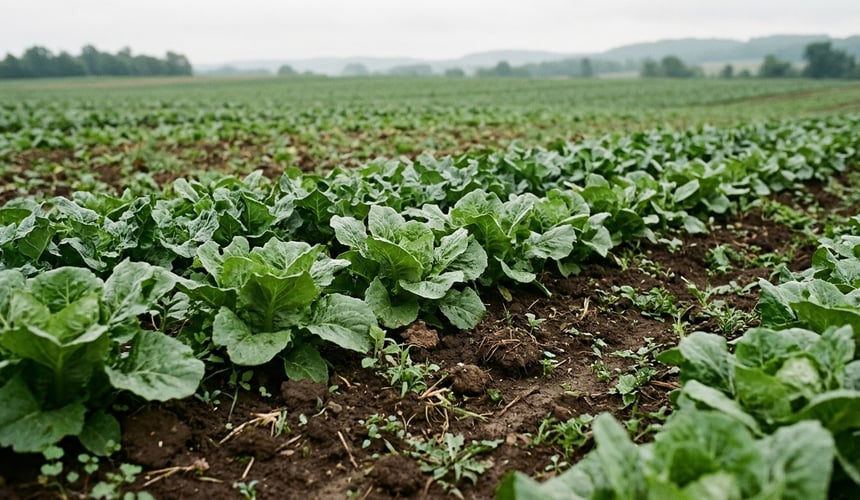
When formulating agricultural biostimulants, evaluating the quality of amino acid and peptide raw materials is a critical step. The composition and characteristics of these blends can significantly influence their potential effects on plants. This assessment goes beyond simply confirming the presence of amino acids, focusing instead on detailed analytical insights into their profile and purity. Understanding the origin and processing methods of these raw materials provides valuable context for their application in crop nutrition.
Cropenta Insight
Assessing amino acid raw material quality involves understanding the impact of hydrolysis methods and origin on the final blend. These distinctions are crucial for formulators and distributors in selecting suitable materials for biostimulant products.
Evaluating Amino Acid and Peptide Raw Materials
A key aspect of assessing amino acid raw material quality involves analyzing the specific amino acid profile and peptide fractions present. Commercial amino acid products are often protein hydrolysates, which are complex mixtures of free amino acids and peptides of various lengths [1]. The effectiveness of these biostimulants can be linked to the composition of these fractions. Plant-based proteins, such as soy, brown rice, pea, corn, and potato, provide diverse essential amino acid compositions, which can be relevant depending on the source material [2].
Different production processes yield varying amino acid and peptide profiles. According to some product information, enzymatic hydrolysis is a milder process that typically preserves a broader spectrum of L-amino acids, which are the forms predominantly utilized by plants. In contrast, according to other product information, chemical hydrolysis (acid hydrolysis) can lead to the destruction of some amino acids and the conversion of L-amino acids into D-amino acids, which plants generally do not use and which may even exhibit phytotoxicity [3]. The choice of hydrolysis method thus directly influences the bioavailability and potential physiological activity of the amino acid blend.
Key Quality Indicators for Amino Acid Raw Material Quality
Beyond the amino acid profile, several other factors contribute to the overall amino acid raw material quality. The origin of the raw material (e.g., animal collagen, specific plant sources, or pharmaceutical process streams), according to product information, can affect the initial composition.
The purity of the raw material is also significant. According to product documentation, chemical hydrolysis methods can result in products with different salt and heavy-metal content compared to enzymatically hydrolyzed alternatives. According to one supplier, low salt content can be desirable for improved compatibility in various applications. While plant- and animal-derived amino acids are chemically identical at the individual amino acid level, differences in the production process and raw material, according to product documentation, influence the final blend characteristics and overall product quality [3].
When considering the application of amino acid biostimulants, compatibility with other inputs is important. According to product documentation, preparing diluted solutions, checking pH and electrical conductivity (EC), and adding amino acids last can help prevent reactions. According to the manufacturer, flushing lines and nozzles after use is also recommended due to the organic material potentially supporting microbial growth [3].
Technical Summary
Assessing amino acid raw material quality for biostimulants requires evaluating the amino acid profile, peptide fractions, and hydrolysis method. Raw material origin, purity, and salt content, according to product documentation, are also critical factors influencing the final product's suitability and compatibility in agricultural applications.
Disclaimer
This article has been prepared with AI assistance using publicly available sources and is intended solely for general technical and educational purposes. It does not constitute professional advice or recommendations for specific applications. Cropenta makes no warranties regarding the accuracy, completeness or applicability of the information. No rights may be derived from its contents, and Cropenta accepts no liability for its use to the extent permitted by law.
Technical Questions
Why is the method of hydrolysis important for amino acid raw material quality?
The hydrolysis method dictates the amino acid profile and configuration. According to some suppliers, enzymatic hydrolysis preserves a wider range of L-amino acids and diverse peptide fractions, which are more readily usable by plants. Chemical hydrolysis, according to the same sources, can destroy some amino acids and convert them to D-forms, potentially limiting their efficacy and possibly leading to phytotoxic effects.
What role does the L-amino acid content play in biostimulant efficacy?
L-amino acids are the biologically active forms readily assimilated by plants and involved in various metabolic pathways. According to some research, a high content of L-amino acids in a biostimulant raw material is generally preferred, as D-amino acids are not typically utilized by plants and may even exert negative physiological impacts at higher concentrations.
How can the origin of raw materials affect amino acid product quality?
According to some product documentation, different origins may also lead to varying levels of impurities such as salts or heavy metals, which impact the overall quality and compatibility of the final biostimulant product.
Related articles
Related Products


Looking for something specific?
Our team is there to help you find the right raw materials and solutions for your formulations

