How Plants Synthesize Amino Acids from Nitrogen and Carbon
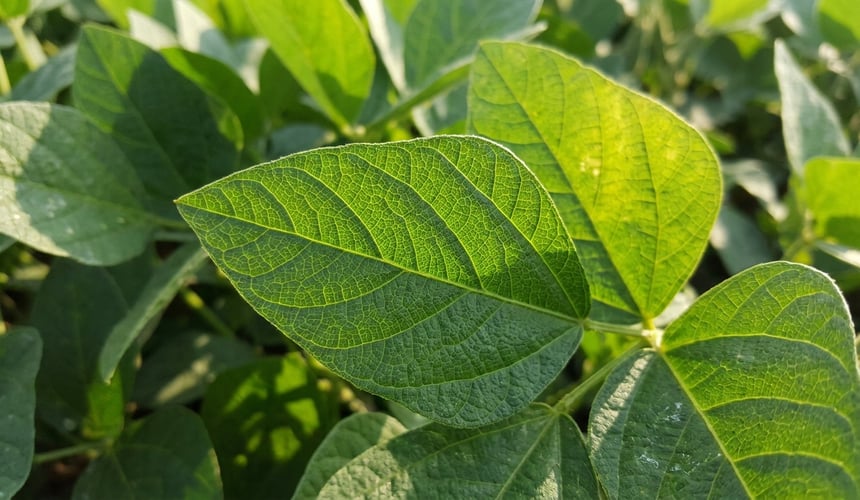
Plants create the amino acids they need for growth and development from the simple nutrients they absorb from the soil and air through fundamental biochemical processes. This internal synthesis is essential for all physiological functions, including protein formation, and is a process distinct from the interaction of externally applied amino acids with plants. This mechanism is crucial for nutrient utilization and plant protein formation [1, 2].
Cropenta Insight
Understanding how plants internally synthesize amino acids from basic nitrogen and carbon inputs highlights the intricate metabolic autonomy of crops. This foundational process of amino acid synthesis in plants ensures a continuous supply of essential building blocks for plant development, irrespective of external applications. Recognizing this natural capacity helps professionals interpret the role of various nutrient management strategies, including the use of amino acid-based products, within the plant's existing biochemical framework.
Nitrogen Assimilation and Carbon Skeletons
The journey of amino acid synthesis begins with the assimilation of inorganic nitrogen, primarily nitrate and ammonium, absorbed from the soil. Plants convert nitrate into ammonium through a two-step reduction process involving nitrate reductase and nitrite reductase enzymes. Once in the ammonium form, nitrogen can be incorporated into organic molecules [3]. This incorporation typically occurs through the glutamine synthetase/glutamate synthase (GS/GOGAT) cycle, which is the primary gateway for almost all nitrogen entering plant metabolism [1, 3].
Simultaneously, plants generate carbon skeletons through processes like photosynthesis and respiration, particularly via the glycolytic pathway and the tricarboxylic acid (TCA) cycle. These carbon skeletons provide the structural framework onto which the assimilated nitrogen is attached to form amino acids. The combination of nitrogen assimilation and the availability of carbon skeletons is central to the biosynthesis of the twenty proteinogenic amino acids that plants synthesize [2, 4].
Metabolic Pathways for Amino Acid Synthesis
From glutamate and glutamine, nitrogen is distributed to other amino acids through a series of transamination reactions, where amino groups are transferred to various carbon skeletons. Different metabolic pathways are responsible for synthesizing distinct groups of amino acids. For instance, pyruvate, oxaloacetate, and α-ketoglutarate, intermediates of central carbon metabolism, serve as precursors for several amino acids [1]. These pathways are highly regulated, allowing plants to adjust amino acid production based on their developmental stage, environmental conditions, and nutrient availability [1, 4].
Amino acid metabolism in plants encompasses biosynthesis, interconversion, and catabolism, ensuring that plants maintain a balanced pool of these vital molecules. This intricate network of metabolic pathways enables plants to synthesize all the amino acids required for building proteins and fulfilling various other roles in plant development and stress responses [2, 4].
The Role of Amino Acids in Plant Physiology
Beyond their role as protein building blocks, internally synthesized amino acids participate in numerous other physiological functions. They can act as precursors for hormones, secondary metabolites, and signaling molecules. The continuous internal production of amino acids from basic nitrogen and carbon inputs underscores plants' self-sufficiency in meeting their amino acid requirements, a process that is often taken for granted when external amino acid applications are considered [1, 2].
Technical Summary
Plants synthesize all necessary amino acids internally by combining absorbed inorganic nitrogen with carbon skeletons derived from metabolism. Nitrogen is primarily assimilated via the GS/GOGAT cycle to form glutamate and glutamine, which then donate amino groups to various carbon backbones from pathways like glycolysis and the TCA cycle. This highly regulated process allows plants to produce the twenty proteinogenic amino acids essential for protein synthesis and other vital physiological roles.
Disclaimer
This article has been prepared with AI assistance using publicly available sources and is intended solely for general technical and educational purposes. It does not constitute professional advice or recommendations for specific applications. Cropenta makes no warranties regarding the accuracy, completeness or applicability of the information. No rights may be derived from its contents, and Cropenta accepts no liability for its use to the extent permitted by law.
Technical Questions
How do plants manage the balance between amino acid synthesis and catabolism?
Plants regulate amino acid levels through a dynamic balance between synthesis, interconversion, and catabolism. This regulation allows them to adapt to changing metabolic demands and environmental conditions, ensuring optimal availability for protein synthesis while preventing the accumulation of potentially toxic levels of certain amino acids. The intricate network of metabolic enzymes plays a key role in this balance.
What are the primary carbon precursors for amino acid synthesis in plants?
The primary carbon precursors for amino acid synthesis in plants are intermediates from central metabolic pathways. These include pyruvate, oxaloacetate, and α-ketoglutarate, which are derived from glycolysis and the tricarboxylic acid (TCA) cycle. These carbon skeletons combine with assimilated nitrogen to form the diverse array of amino acids.
Does the efficiency of nitrogen assimilation affect amino acid production?
Yes, the efficiency of nitrogen assimilation directly impacts amino acid production. Nitrogen, absorbed as nitrate or ammonium, must be efficiently converted into organic forms, primarily through the GS/GOGAT cycle, before it can be incorporated into amino acids. Any limitations in this assimilation process can affect the overall rate and profile of amino acid synthesis.
Related articles
Looking for something specific?
Our team is there to help you find the right raw materials and solutions for your formulations

