Why Amino Acid Biostimulants Perform Differently Across Crops and Conditions
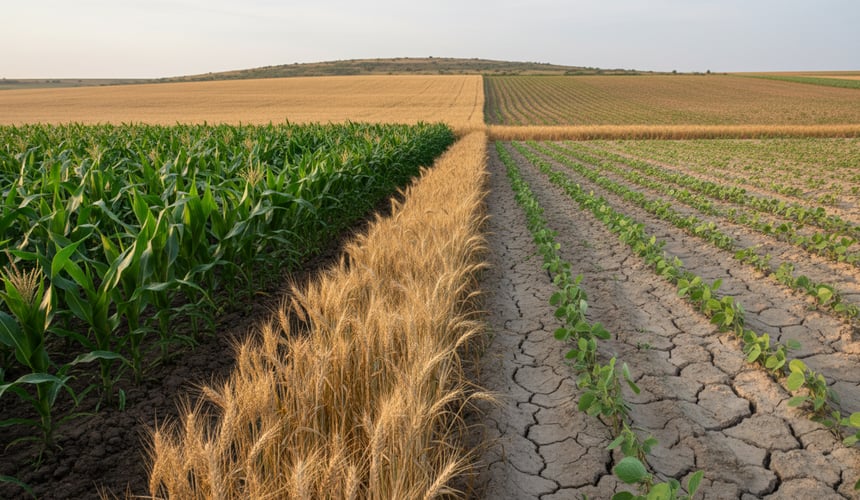
When considering amino acid-based biostimulants, it is often observed that their influence on plant performance is not consistent across all applications. Some crops or specific growing conditions appear to respond more favorably than others. This variability stems from a complex interplay of physiological differences between crop species and the specific environmental and growing conditions at the time of application.
Cropenta Insight
The variable efficacy of amino acid biostimulants highlights the importance of understanding raw material quality. This distinction in raw material processing can influence how different crops respond to the biostimulant under various conditions.
Physiological Differences Between Crops
Plants have inherent physiological distinctions that can influence how they respond to externally applied amino acids. These differences may relate to variations in nutrient uptake mechanisms, metabolic pathways, or how readily different crops absorb and utilize amino acids applied via foliar spray or irrigation.
For instance, some crops might have more efficient transporters for specific amino acids, or their internal metabolic demand for certain amino acids under particular conditions could be higher [1]. This means that a biostimulant blend effective for one crop, by supporting specific metabolic needs, might not elicit the same response in another crop with different physiological priorities. The developmental stage of the crop also plays a role, as a plant's metabolic demands shift during vegetative growth, flowering, and fruit development, potentially altering its response to amino acid applications [2].
Impact of Environmental and Growing Conditions
Environmental factors are critical determinants of amino acid biostimulant efficacy. Conditions such as drought, heat, salinity, or nutrient scarcity can trigger different physiological responses in plants. Amino acid biostimulants are often applied to help plants manage these abiotic pressures. The effectiveness, however, can depend on the type and intensity of the stress, as well as the plant's capacity to respond [2].
Under drought pressure, for example, certain amino acids like proline can accumulate naturally within plants, functioning as osmolytes to help maintain cellular water balance [3]. External application of amino acids may support these natural processes. However, if the drought is too severe, or if the plant's metabolic state is already compromised, the efficacy of an external application may be limited [2]. Similarly, responses to heat or salt stress may vary based on the specific amino acid profile of the biostimulant and the plant's internal regulatory mechanisms [3].
Furthermore, nutrient availability in the soil can influence the perceived benefits. Amino acid biostimulants are known to play a role in nitrogen use efficiency and general nutrient assimilation . In situations where nutrient uptake is suboptimal, amino acids may help facilitate the assimilation of essential nutrients, leading to observable benefits [1]. Conversely, in highly fertile conditions, the additional benefit may be less pronounced, as the plant already has ample resources.
Understanding Amino Acid Composition and Application
The composition of amino acid biostimulant products is also a factor in their variable performance.
According to some product documentation, when drenched, soil microorganisms may consume a portion of the amino acids, potentially reducing the amount available for plant uptake. Optimal timing, concentration, and frequency of application may vary not only by crop and condition but also by the specific product formulation [2].
Conclusion
The variable responses to amino acid-based biostimulants are a result of intrinsic crop physiology and external environmental pressures. Understanding these factors is crucial for maximizing the potential benefits of these biostimulants in agricultural practices. Rather than assuming uniform efficacy, a tailored approach, considering the specific crop, its developmental stage, and the prevailing growing conditions, may help optimize outcomes.
Technical Summary
Amino acid biostimulant efficacy varies significantly due to crop-specific physiological differences, including nutrient uptake and metabolic demands, and diverse environmental conditions like drought, heat, or nutrient scarcity. The type and intensity of stress, along with the biostimulant's composition, application method, and quality, influence plant responses. A tailored approach, considering crop and environment, is essential for optimizing biostimulant effects.
Disclaimer
This article has been prepared with AI assistance using publicly available sources and is intended solely for general technical and educational purposes. It does not constitute professional advice or recommendations for specific applications. Cropenta makes no warranties regarding the accuracy, completeness or applicability of the information. No rights may be derived from its contents, and Cropenta accepts no liability for its use to the extent permitted by law.
Technical Questions
How do intrinsic crop differences influence amino acid biostimulant effectiveness?
Crop species possess distinct physiological characteristics, such as varying capacities for amino acid uptake, different metabolic pathways, and differing internal needs for specific amino acids at various growth stages. These intrinsic differences determine how readily a crop can absorb, transport, and utilize externally applied amino acids, leading to diverse responses even when facing similar environmental conditions.
What role do environmental stressors play in modulating biostimulant effects?
Environmental stressors like drought, heat, or salinity can significantly alter a plant's physiological state and metabolic demands. Amino acid biostimulants may support plants during these conditions by aiding in osmotic adjustment or nutrient assimilation. However, the severity and duration of stress, as well as the plant's existing resilience, can modulate how effectively the biostimulant contributes to plant performance.
Does the type of amino acid product matter for its efficacy?
Yes, product composition is crucial.
Related articles

Related Products



Looking for something specific?
Our team is there to help you find the right raw materials and solutions for your formulations

