How to Assess Heat Treatment Quality in Full-Fat Soybeans for Animal Feed

Feed manufacturers frequently encounter the challenge of ensuring full-fat soybeans, a valuable protein and energy source, have undergone appropriate heat treatment. Inadequate processing leaves behind anti-nutritional factors, while excessive heat can compromise nutrient digestibility, particularly protein. Therefore, reliably assessing the quality of heat treatment is essential to maximize the nutritional benefits of full-fat soybeans in animal diets.
Cropenta Insight
Assessing heat treatment in full-fat soybeans is critical for managing anti-nutritional factors and preserving nutrient quality. For compound feed producers, understanding the nuanced differences between indicators like urease activity and KOH protein solubility helps prevent both under- and over-processing. This precision can help ensure optimal protein and energy availability.
The Dual Impact of Heat Treatment
Raw soybeans contain various anti-nutritional factors, with trypsin inhibitors being among the most significant for monogastric animals. These heat-labile factors interfere with protein digestion, reducing amino acid availability. Proper heat treatment, such as toasting, extrusion, or roasting, is designed to inactivate these compounds, making the protein and oil in the full-fat soybeans more accessible for digestion [1, 2]. Toasting involves thermal treatment with heat, steam, and moisture, while extrusion is a thermomechanical process involving temperature, moisture, pressure, and shear forces [3]. Roasting uses dry heat, distinct from toasting or extrusion.
However, the challenge lies in applying the correct amount of heat. More heat is not necessarily better. Over-processing can lead to the Maillard reaction, where reducing sugars bind with free amino groups, notably lysine. This reaction forms complexes that decrease reactive lysine content, making it unavailable for digestion, even if total lysine levels remain unchanged. This can ultimately reduce protein digestibility [2].
Key Indicators for Assessing Heat Treatment Quality
Several analytical methods are employed to assess the quality of heat treatment in full-fat soybeans, each providing different insights into anti-nutritional factor inactivation and nutrient integrity.
Urease Activity
Urease activity is a commonly used indirect indicator of heat treatment. Urease is an enzyme present in raw soybeans that is highly sensitive to heat. A low urease activity suggests that the soybeans have been exposed to sufficient heat to inactivate this enzyme. While it indicates that heat was applied, it does not confirm optimal processing or the absence of over-processing [1]. This test is typically measured by a pH rise, where a lower pH change indicates more complete urease inactivation.
Trypsin Inhibitor Activity (TIA)
Trypsin inhibitor activity (TIA) is considered one of the most direct and reliable indicators of adequate heat treatment for monogastrics. Trypsin inhibitors directly impede protein digestion in the small intestine. Measuring residual TIA directly quantifies the effectiveness of heat treatment in neutralizing these anti-nutritional factors. Optimal heat treatment aims to reduce TIA to levels that do not adversely affect animal performance [1].
KOH Protein Solubility
As heat treatment progresses, protein solubility in KOH generally decreases. If the solubility is too high, it indicates under-processing, meaning anti-nutritional factors may still be active. Conversely, a very low solubility can signal over-processing, suggesting protein damage and reduced amino acid availability due to Maillard reactions or excessive denaturation [1]. It is important to note that KOH solubility is not a measure of trypsin inhibitors directly.
Protein Dispersibility Index (PDI)
The Protein Dispersibility Index (PDI) is another heat-treatment indicator that measures the percentage of protein dispersible in water under standardized conditions [1]. Like KOH protein solubility, PDI decreases with increased heat treatment. An optimal range exists for PDI, where values too high indicate under-processing and values too low suggest over-processing. PDI and KOH protein solubility are distinct and not interchangeable, offering complementary insights into protein modification.
Amino Acid Digestibility
Ultimately, the most direct measure of nutritional value is amino acid digestibility, typically assessed through in-vivo trials in the target animal species. For pigs and poultry, this involves measuring apparent or standardised ileal digestibility of amino acids. For ruminants, intestinal digestibility is the key metric. While chemical indicators like urease activity and protein solubility provide valuable insights into processing quality, they do not fully replace direct animal studies to determine what the animal can actually utilize from the feed [1].
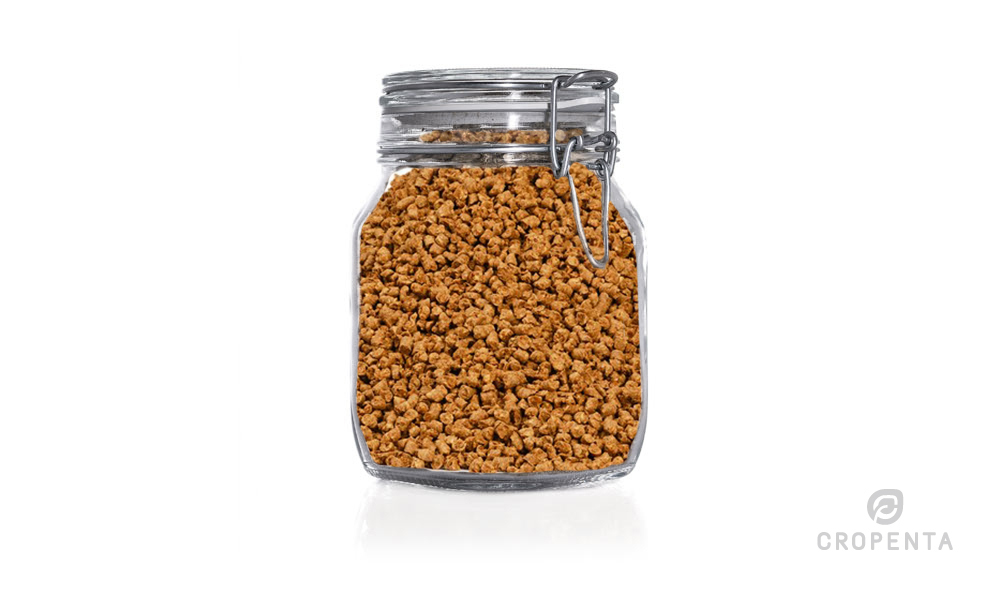
According to product documentation, for Full-Fat Toasted Extruded Soybeans, a digestibility study by an independent feed research institute showed that standardised ileal amino acid digestibilities were similar to toasted soybeans in growing-finishing pigs.
Practical Implications for Feed Manufacturers
For feed manufacturers, selecting and interpreting these assessment methods requires a nuanced understanding of their limitations and appropriate applications. No single indicator provides a complete picture, and a combination of tests often offers the most reliable assessment of full-fat soybean processing quality. For example, while low urease activity confirms heat application, combining it with TIA and a protein solubility test (KOH or PDI) offers a more comprehensive view of both anti-nutritional factor reduction and protein integrity. This integrated approach aids in more effective selection and interpretation of assessment methods for various animal species and feed applications, providing insights beyond a basic confirmation of heat treatment [1].
Technical Summary
Assessing heat treatment quality in full-fat soybeans involves evaluating anti-nutritional factor inactivation and protein integrity. Key indicators like urease activity, trypsin inhibitor activity (TIA), KOH protein solubility, and Protein Dispersibility Index (PDI) offer insights into processing effectiveness. These methods help ensure optimal nutrient availability.
Disclaimer
This article has been prepared with AI assistance using publicly available sources and is intended solely for general technical and educational purposes. It does not constitute professional advice or recommendations for specific applications. Cropenta makes no warranties regarding the accuracy, completeness or applicability of the information. No rights may be derived from its contents, and Cropenta accepts no liability for its use to the extent permitted by law.
Technical Questions
Why is it important to consider both under- and over-processing in full-fat soybeans?
Under-processing leaves active anti-nutritional factors like trypsin inhibitors, hindering nutrient digestion. Over-processing, conversely, can damage proteins through Maillard reactions, reducing reactive lysine and overall amino acid digestibility. Both scenarios diminish the nutritional value of full-fat soybeans, impacting animal performance and feed efficiency.
How does urease activity differ from trypsin inhibitor activity as a heat treatment indicator?
Urease activity is an indirect indicator, confirming that heat was applied but not necessarily optimal processing or absence of over-processing. Trypsin inhibitor activity (TIA) is a direct measure of an anti-nutritional factor, more accurately reflecting the reduction of compounds that directly impair protein digestion in monogastric animals, making it a more specific indicator.
What role does KOH protein solubility play in assessing heat treatment quality?
KOH protein solubility measures the protein fraction soluble in potassium hydroxide, indicating the degree of protein denaturation. High solubility suggests under-processing, while very low solubility points to over-processing and potential protein damage. It helps evaluate protein integrity and potential amino acid availability, complementing anti-nutritional factor assessments.
Can chemical tests fully replace in-vivo amino acid digestibility studies?
While chemical tests like urease activity and protein solubility are valuable screening tools for processing quality, they do not fully replace in-vivo amino acid digestibility studies. In-vivo trials directly measure what the animal can digest and utilize, providing the ultimate confirmation of nutrient availability under practical feeding conditions, which chemical tests only indirectly infer.
Related articles


Related Products

Looking for something specific?
Our team is there to help you find the right raw materials and solutions for your formulations

