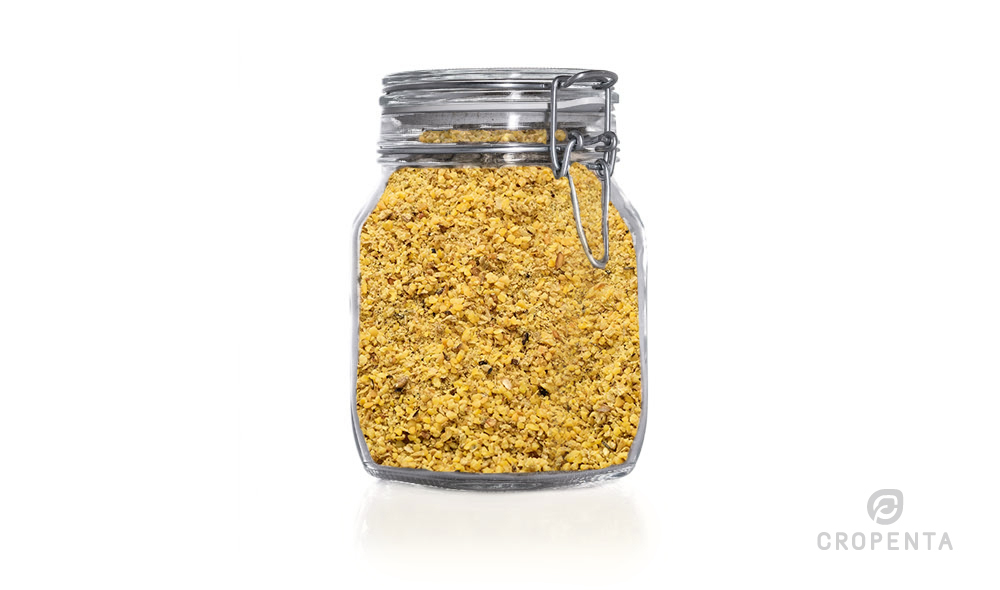
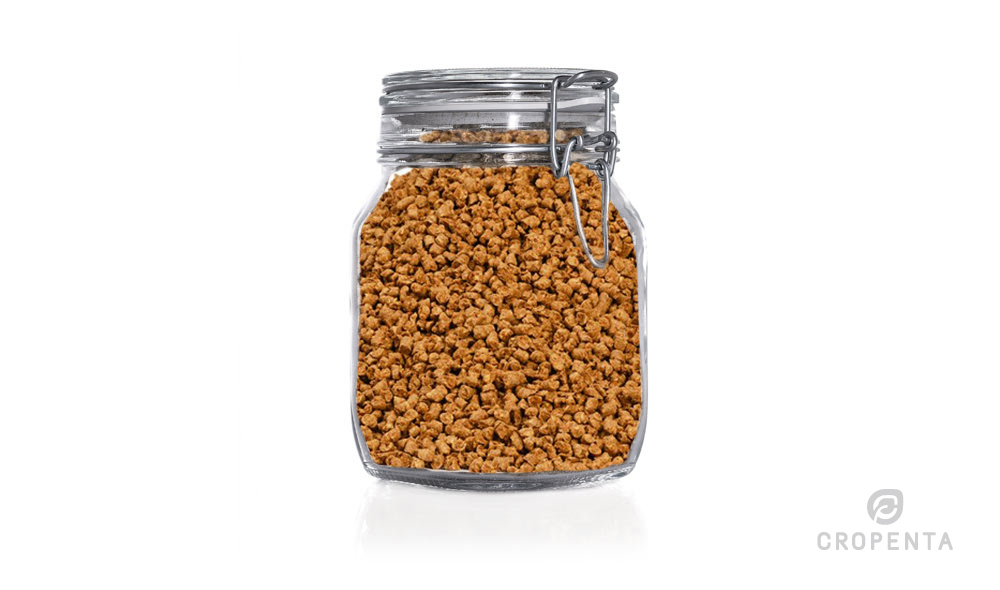
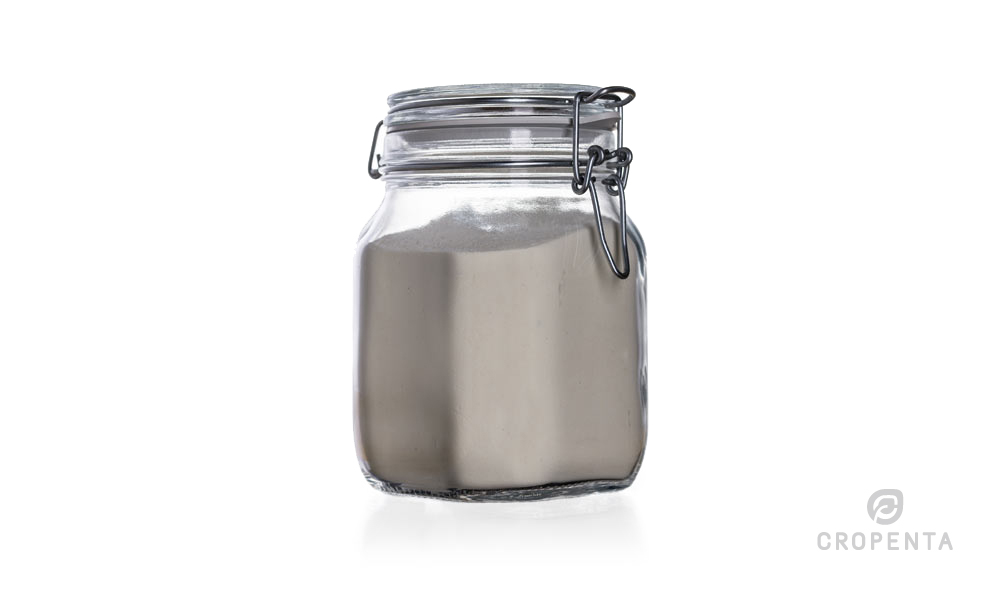
Amino Acids for Plants
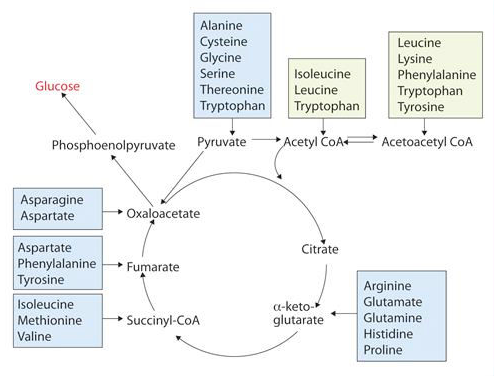
An excellent stimulator for plant roots are amino acids. L-shaped free amino acids play an important role in the so-called citric acid cycle in plants. This cycle is also called the Krebs cycle. This cycle is formed by a series of chemical reactions used to generate energy for maintenance, growth, and production in all aerobic organisms.
Through the Krebs cycle, amino acids are converted into glucose for storage as glycogen, starch, and fat, or for energy. Amino acids can be used to reduce stress during periods of increased stress due to drought, application of crop protection, diseases, etc.
See image:
Amino Acids for Plants
Our liquid amino acids and/or amino acids in powder form promote good development and growth of the plant root. Additionally, our amino acids ensure a better and healthier root system in the plant.
Amino Acids Plant Stimulator During Stress
After stressful situations such as drought, wind, or overly wet soil conditions, amino acids help plants recover faster. Stress in plants can also be caused by the application of fertilizers or treatment of field crops with crop protection agents. Our amino acids can also be easily added and mixed with these foliar or soil applications.
Our amino acids: benefits
Our amino acids are the result of a pharmaceutical and clean process that is strictly controlled. They are formed by enzymatic hydrolysis, where through a natural process, proteins are broken down into L-alpha amino acids and oligopeptides (these are plant-relevant amino acids). As a result, they contain no racemized proteins, and no D-amino acids are produced during this process.
Products derived from the tanneries or made from hide scraps are not comparable to our amino acids, because the production process, the percentage of relevant L-alpha amino acids and oligopeptides, and the quality of our raw material are much higher, and our amino acids contain no D-amino acids. Our amino acids also have a high free and balanced L-alpha amino acid pattern.
20 Types of L-alpha Amino Acids in an Amino Acid Pattern
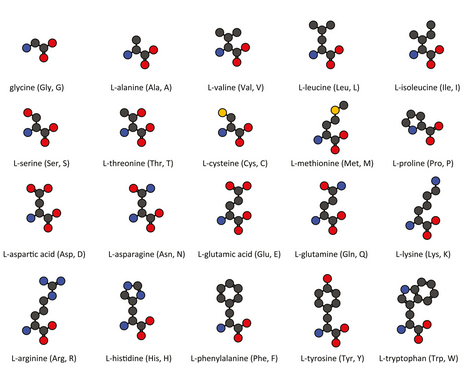
L-alpha amino acids ? also called free amino acids ? consist of different amino acid elements. These elements together make up the so-called amino acid pattern. An amino acid pattern contains 20 elements. Each amino acid element has a specific and important function for the development of a plant.
The 20 free L-alpha amino acids are: alanine, arginine, aspartic acid, cystine, glutamine, glycine, histidine, hydroxyproline, isoleucine, leucine, lysine, methionine, phenylalanine, proline, serine, taurine, threonine, tryptophan, tyrosine, valine.
The table below clarifies which function in a plant is associated with which type of L-alpha amino acid.
Why do I actually need extra amino acids for a crop?
Fertilizers mainly contain N, P, K, and some other nutrients, and are usually chemically composed, just like crop protection products. This means they do not contain natural elements such as proteins, vitamins, hormones, etc. When natural fertilizers are used, the levels of natural elements are often very low.
Unlike humans and animals, plants can convert chemical elements into natural building blocks such as proteins, fats, and sugars. Of course, this requires a great deal of energy. Humans and animals obtain energy from their food, while plants use the sun as an energy source. With a given amount of energy, the plant must maintain itself, grow, and defend against diseases and pests.
Amino acids are the building blocks of proteins, which are essential for energy management and the proper functioning of all living beings. When we supply well-absorbed amino acids (free L-amino acids) to the plant, it can significantly save the energy needed to produce those amino acids itself, and all biochemical processes proceed more efficiently because the external supply of amino acids greatly reduces the risk of shortages.
By providing well-absorbable amino acids, plants become stronger, grow better, and their resistance to external stress is increased.
What specific benefits do amino acids have on the final result when applied to plants?
As previously described, amino acids are the building blocks of proteins, which are essential for energy management and the proper functioning of all living beings. When we supply well-absorbed amino acids (free L-amino acids) to the plant, it can save energy and optimize all biochemical processes due to the external amino acid supply, reducing the risk of shortages.
Providing well-absorbable amino acids makes plants stronger, promotes better growth, and increases resistance to external stress. This means that the quality and final yields will be better than under normal conditions, which benefits the economic return of the crop. Stronger and healthier plants also require less chemical input, saving money.
The crop's increased strength is very noticeable when crop damage occurs after spraying herbicides. Mixing good amino acids makes the crop more resistant, significantly limiting herbicide damage. Of course, this also benefits the crop?s productivity.