How Different Bypass Protein Protection Methods Affect Their Digestibility
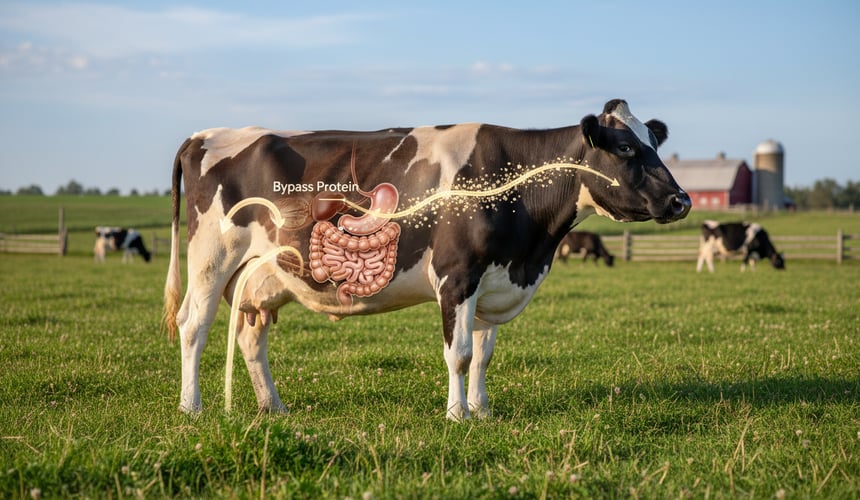
Ruminant livestock require a balanced supply of both rumen-degradable protein (RDP) and rumen-undegradable protein (RUP), often referred to as bypass protein. While RDP is essential for microbial protein synthesis in the rumen, RUP passes through the rumen largely intact, becoming available for digestion and absorption in the small intestine. Various methods are employed to protect proteins from rumen degradation, each with distinct effects on their subsequent digestibility and amino acid availability for the animal [1].
Cropenta Insight
Understanding how different protein protection methods influence intestinal digestibility is key for animal nutrition professionals. Evaluating protein sources involves looking beyond crude protein to consider RUP values, ideally measured in vivo by an independent research institute under defined passage rates, and critically, the intestinal digestibility of that RUP. This technical precision helps optimize nutrient delivery for ruminants.
Understanding Rumen Undegradable Protein (RUP)
The primary goal of protein protection is to increase the fraction of dietary protein that bypasses rumen fermentation, thereby delivering more amino acids directly to the small intestine for absorption. This bypass protein contributes to the metabolizable protein supply, which is crucial for high-producing ruminants. However, the effectiveness of a protection method is not solely determined by its ability to prevent rumen degradation; the intestinal digestibility of the protected protein is equally vital [2].
A study investigating the impact of rumen-degradable or undegradable protein supplementation on the digestion of low-quality forages found that RDP can enhance digestion and utilization. This highlights the importance of balancing both RDP and RUP for overall digestive efficiency in ruminants [3]. While the focus is on increasing RUP, ensuring its subsequent intestinal digestibility is paramount for the animal to actually utilize the protein [4].
Common Bypass Protein Protection Methods and Their Effects
Several methods are used to achieve rumen protection, each altering the protein structure or creating a barrier to microbial attack. These include heat treatment, chemical treatment, and specialized processes like the Maillard reaction [1]. The choice of method can significantly influence the intestinal digestibility of the protected protein [4].
Heat Treatment
Heat treatment, such as toasting or roasting, can denature proteins, making them less susceptible to microbial enzymes in the rumen. However, excessive heat can also reduce intestinal digestibility by forming indigestible complexes or damaging amino acids. The optimal balance involves sufficient heat to increase bypass without compromising subsequent nutrient availability.
Chemical Treatment
Chemical agents, such as formaldehyde or lignosulfonates, can create cross-linkages within protein molecules or form a protective coating. Formaldehyde was historically used for this purpose, significantly raising rumen-undegradable protein (UDP) levels in situ [5]. However, concerns regarding safety and environmental impact have led to a decline in its use, prompting the development of alternative chemical treatments [1]. The challenge with chemical treatments lies in ensuring that the protective bonds can be broken down efficiently by digestive enzymes in the acidic environment of the abomasum and small intestine [2].
Controlled Maillard Reaction
This process forms melanoidins, which resist microbial breakdown in the rumen, according to some analyses. In the acidic environment of the abomasum and through enzymatic action in the small intestine, the amino acids are subsequently released for digestion and absorption, according to some assessments [6, 7].
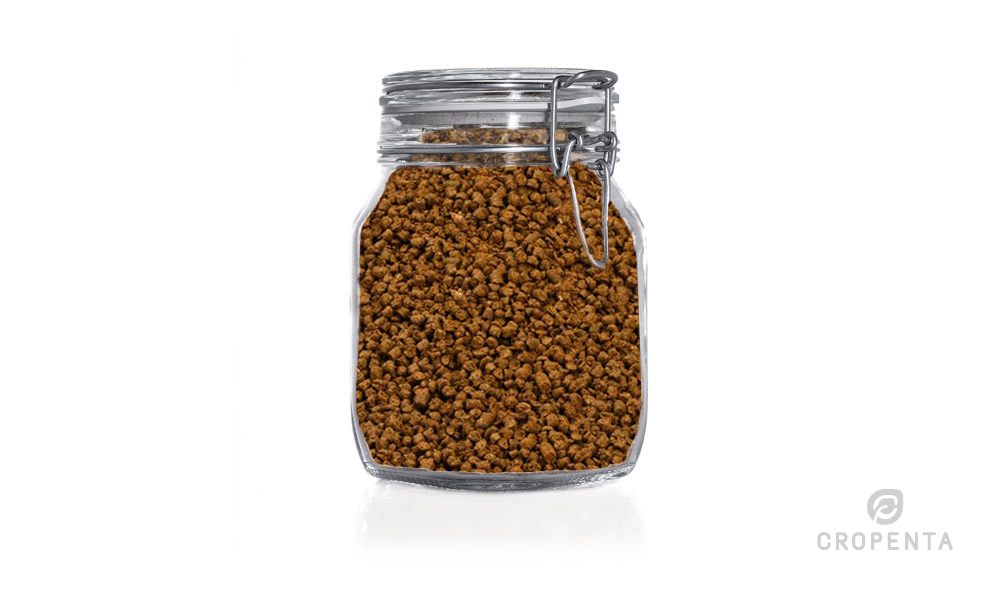
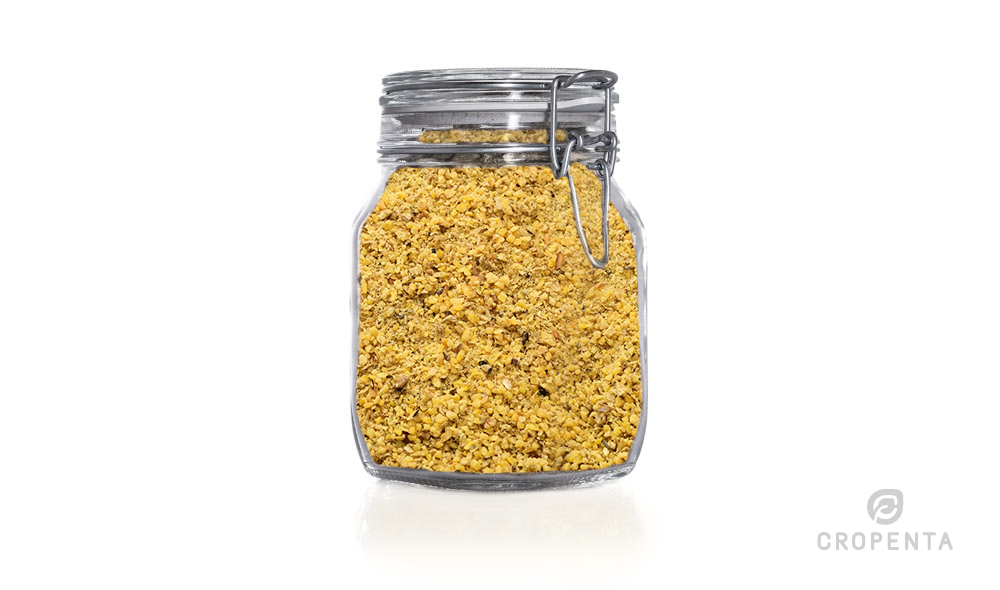
According to Cropenta product documentation, measured in vivo by an independent research institute, Bypass Soy Protein MP shows calculated rumen-undegradable protein (RUP) above 80% at an assumed passage rate of 6%/h, with intestinal digestibility of the rumen-undegraded protein close to 100% [6]. According to Cropenta product documentation, Bypass Rapeseed MP exhibits a calculated RUP of about 80% at a 6%/h passage rate and an intestinal digestibility of about 90% for the rumen-undegraded protein [7]. According to Cropenta, this approach is designed to provide high rumen protection while facilitating efficient amino acid release post-rumen.
Evaluating Digestibility
The effective evaluation of bypass protein protection methods requires reliable measurement of both rumen degradation and intestinal digestibility. In-situ measurements using rumen-fistulated cows, for example, involve incubating feed samples in the rumen for an extended period to determine rumen-undegraded protein (UDP) [5]. According to some analyses, the calculated RUP values depend on the assumed passage rate (Kp), making comparisons only valid at the same Kp. For Maillard-protected proteins, in-vitro degradation tests may, according to some observations, overstate rumen protection compared to in-vivo measurements [6, 7].
Following rumen incubation, the intestinal digestibility of the rumen-undegraded protein can, according to some methods, be assessed using techniques like the mobile nylon bag technique in cows fitted with duodenal cannulas [6, 7]. This comprehensive approach provides a more accurate picture of how different protection methods ultimately affect the amino acid supply to the animal.
Technical Summary
Optimizing ruminant nutrition involves a comprehensive understanding of bypass protein protection methods, considering both rumen degradation and subsequent intestinal digestibility. The efficacy of techniques like heat and chemical treatments depends on their ability to enhance rumen bypass without compromising protein availability for absorption in the small intestine. An integrated evaluation of these factors is essential for ensuring effective nutrient delivery to ruminants.
Disclaimer
This article has been prepared with AI assistance using publicly available sources and is intended solely for general technical and educational purposes. It does not constitute professional advice or recommendations for specific applications. Cropenta makes no warranties regarding the accuracy, completeness or applicability of the information. No rights may be derived from its contents, and Cropenta accepts no liability for its use to the extent permitted by law.
Technical Questions
How does the assumed passage rate affect the reported RUP value of a protected protein?
The calculated rumen-undegradable protein (RUP) value is, according to some analyses, highly dependent on the assumed rumen passage rate (Kp). A higher assumed Kp typically results in a higher calculated RUP, as less time is allowed for microbial degradation. Therefore, comparing RUP values between different protein sources or studies is, according to some evaluations, only valid when the same Kp is used for calculation.
Why are in-vivo measurements often preferred over in-vitro tests for evaluating protected proteins?
In-vivo measurements, particularly using rumen-fistulated animals, provide a more accurate representation of rumen degradation and intestinal digestibility under physiological conditions. In-vitro tests, while convenient, may not, according to some researchers, fully simulate the complex rumen environment or the enzymatic processes in the small intestine, potentially leading to overestimations of rumen protection, especially for certain treatment methods like the Maillard reaction.
What are the trade-offs between maximizing rumen protection and ensuring intestinal digestibility?
Achieving high rumen protection sometimes involves treatment methods that can inadvertently reduce subsequent intestinal digestibility by forming strong, indigestible bonds or altering protein structures too drastically. The goal is to find a balance where proteins are protected sufficiently in the rumen but can still be efficiently broken down by enzymes in the small intestine, maximizing amino acid availability for the animal.
- 1.Rumen bypass and protection of proteins and amino acids
- 2.Effects of rumen-degradable protein:rumen-undegradable ...
- 3.Impacts of Rumen Degradable or Undegradable Protein ...
- 4.Enhancing Rumen-Undegradable Protein via Processing ...
- 5.Geschützte Rapsextraktionsschrote im Fütterungsversuch (proteinmarkt.de)
- 6.Cropenta product documentation: Bypass Soy Protein MP
- 7.Cropenta product documentation: Bypass Rapeseed MP
Related articles



Related Products

Looking for something specific?
Our team is there to help you find the right raw materials and solutions for your formulations

