How Extrusion Influences Trypsin Inhibitors in Full-Fat Soybeans
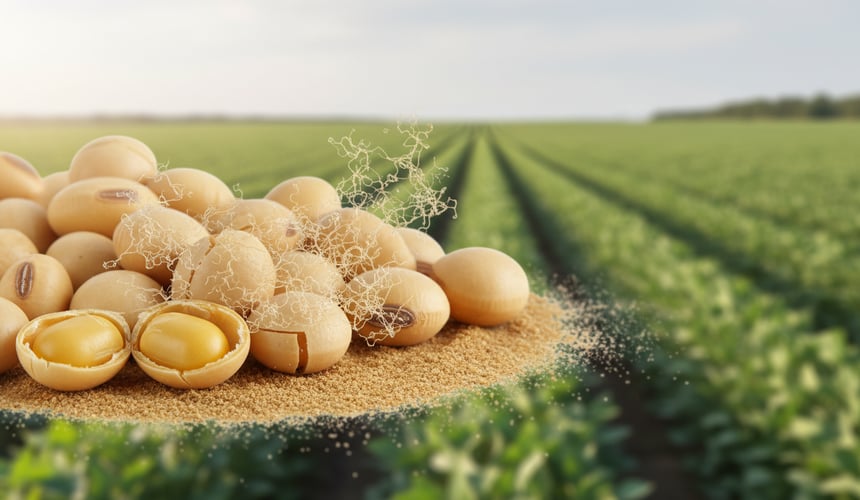
Full-fat soybeans, meaning those that retain their natural oil content, are a valuable ingredient in animal feed due to their high content of protein and energy-rich oil. However, raw soybeans contain several anti-nutritional factors (ANFs) – compounds that can reduce nutrient utilization – with trypsin inhibitors being among the most significant. These ANFs can hinder nutrient digestion and absorption, negatively impacting animal performance. Thermal processing, such as extrusion, is essential to mitigate these effects. This article explores how extrusion reduces trypsin inhibitor activity in full-fat soybeans, improving their nutritional utility for animal diets.
Cropenta Insight
Understanding how extrusion processing impacts anti-nutritional factors like trypsin inhibitors is crucial for feed formulators to evaluate protein quality and digestibility. Precise processing adjustments during extrusion are essential to optimize nutrient availability for livestock and pets while preserving other valuable nutrients.
The Challenge of Trypsin Inhibitors in Raw Soybeans
Trypsin inhibitors are proteins that interfere with the activity of proteolytic enzymes, particularly trypsin, in the digestive tract of animals. This interference reduces protein digestion and amino acid absorption, leading to suboptimal growth and nutrient utilization. The presence of these inhibitors necessitates effective processing to unlock the full nutritional potential of soybeans for animal feed applications.
Extrusion as a Thermal Processing Solution
Extrusion involves a combination of high temperature, pressure, and shear forces, which collectively modify the physical and chemical properties of feed ingredients. When applied to full-fat soybeans, this process achieves several objectives, including rupturing oil cells to enhance fat digestibility and, critically, deactivating heat-labile anti-nutritional factors like trypsin inhibitors [1]. The severe thermal conditions applied during extrusion denature these proteins, rendering them inactive.
Mechanism of Trypsin Inhibitor Reduction
The effectiveness of extrusion in reducing trypsin inhibitor activity (TIA) is primarily due to the heat generated during the process. Protein denaturation, a structural change caused by heat, unfolds the protein molecule, disrupting its active sites and thus neutralizing its inhibitory function. Studies indicate that appropriate extrusion temperatures and residence times are critical for achieving a significant reduction in TIA [1]. For instance, temperatures around 101 °C may reduce some ANFs but might not be sufficient for complete trypsin inhibitor elimination in whole soybeans [2].
Benefits of Reduced Trypsin Inhibitors for Animal Nutrition
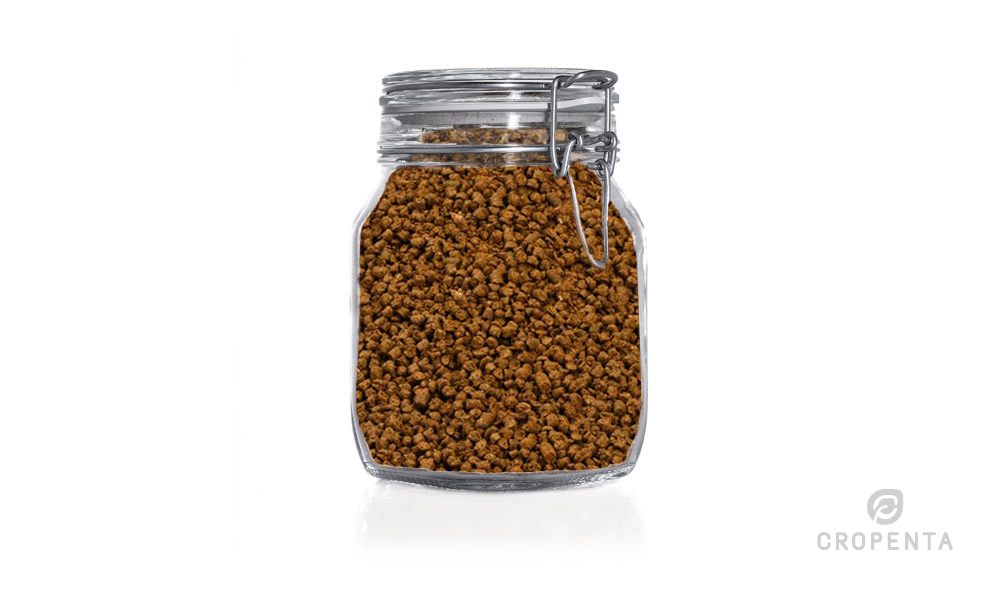
Reducing trypsin inhibitors through extrusion has direct benefits for animal nutrition. Animals fed diets with lower TIA exhibit improved protein digestibility and amino acid availability. Research has shown that increased dietary trypsin inhibitor concentrations can negatively affect pig growth rates, feed efficiency, and nitrogen digestibility and retention [3]. Conversely, a reduction in TIA can lead to better nutrient utilization, supporting improved animal growth and overall health [4]. According to the product documentation for Full-Fat Toasted Extruded Soybeans, the net energy value for pigs was above the table value for toasted soybeans, and fat digestibility was several percentage points higher, as measured in vivo by an independent research institute [5].
Extrusion and Other Nutritional Aspects of Full-Fat Soybeans
Beyond trypsin inhibitors, extrusion also impacts other aspects of full-fat soybeans. The process can rupture the cell walls, making the oil more accessible for digestion. According to product documentation, Full-Fat Toasted Extruded Soybeans combine the bean's protein with its vegetable oil in one ingredient, and the heat treatment reduces anti-nutritional factors, thereby improving oil availability [5].
Operational Considerations in Extrusion
Achieving optimal reduction of trypsin inhibitors requires careful control over extrusion parameters, such as barrel temperature, screw speed, moisture content, and die configuration. Variations in these parameters can influence the degree of heat treatment and, consequently, the residual TIA. Feed manufacturers often monitor TIA levels post-processing to ensure consistency and nutritional quality of the extruded product. This operational precision is vital for delivering a consistently high-quality ingredient to the animal feed market.
Technical Summary
Extrusion processing effectively reduces trypsin inhibitor activity in full-fat soybeans through thermal denaturation, significantly enhancing protein digestibility and amino acid availability for animals. This process also improves fat digestibility by rupturing oil cells. Careful control of extrusion parameters is essential to optimize the reduction of anti-nutritional factors while preserving overall nutritional quality, contributing to more efficient feed formulations.
Disclaimer
This article has been prepared with AI assistance using publicly available sources and is intended solely for general technical and educational purposes. It does not constitute professional advice or recommendations for specific applications. Cropenta makes no warranties regarding the accuracy, completeness or applicability of the information. No rights may be derived from its contents, and Cropenta accepts no liability for its use to the extent permitted by law.
Technical Questions
What is the primary mechanism by which extrusion reduces trypsin inhibitors?
Extrusion primarily reduces trypsin inhibitors through thermal denaturation. The high temperatures, pressure, and shear forces applied during the process cause the protein structure of trypsin inhibitors to unfold and lose their biological activity, thus neutralizing their negative impact on protein digestion in animals.
Why is the reduction of trypsin inhibitors important for animal feed?
Reducing trypsin inhibitors is crucial because these anti-nutritional factors interfere with protein digestion and amino acid absorption in animals. Their inactivation ensures better utilization of dietary protein, leading to improved growth rates, feed efficiency, and overall animal performance, particularly in monogastric species.
What are the key parameters to control during extrusion to optimize trypsin inhibitor reduction?
Key parameters include barrel temperature, screw speed, moisture content of the raw material, and die configuration. These factors collectively determine the heat treatment intensity and residence time within the extruder, which are critical for effective protein denaturation and trypsin inhibitor inactivation without damaging other nutrients.
How does extrusion affect other nutritional components of full-fat soybeans besides trypsin inhibitors?
Beyond inactivating trypsin inhibitors, extrusion also helps rupture the oil cells in full-fat soybeans, making the soybean oil more accessible and digestible for animals. This process also contributes to improving the availability of certain essential amino acids, supporting the overall energy and protein value of the ingredient.
- 1.Effects of Extrusion on the Available Energy and Nutrient ...
- 2.Extrusion and product parameters for extruded dog diets ...
- 3.Increasing trypsin inhibitor concentrations in growing pig diets ...
- 4.Effects of gradual differences in trypsin inhibitor activity on ...
- 5.Cropenta product documentation: Full-Fat Toasted Extruded Soybeans
Related articles
Related Products

Looking for something specific?
Our team is there to help you find the right raw materials and solutions for your formulations

