How Heat Treatment Shapes Intestinal Protein Digestibility in Ruminants
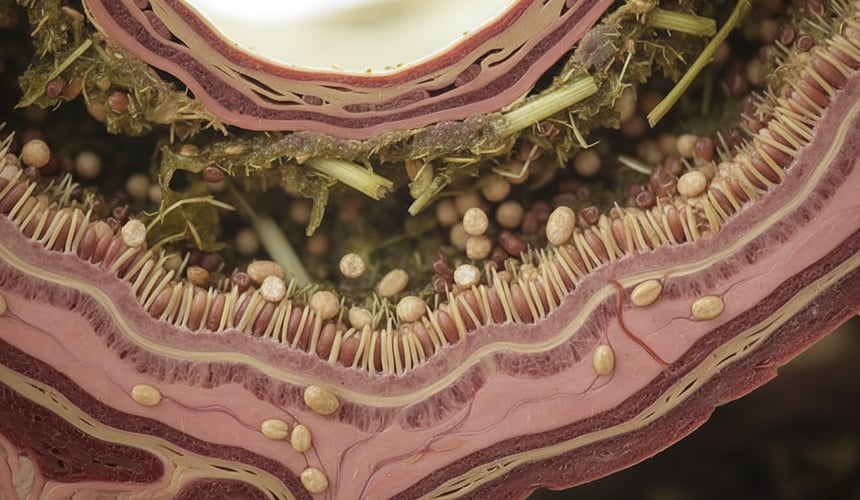
Optimizing protein utilization in ruminants, particularly dairy and beef cattle, hinges on ensuring an adequate supply of amino acids to the small intestine. This often involves feeding bypass proteins, which are designed to resist degradation in the rumen but become available for enzymatic digestion post-rumen. Heat treatment is a common method used to create such rumen-protected proteins. However, the specific method and intensity of heating can profoundly influence how well these proteins are ultimately digested and absorbed in the animal's small intestine. The effectiveness of heat treatment is a critical factor determining the true nutritional value of these bypass protein sources.
Cropenta Insight
Understanding how heat treatment affects protein structure and digestibility is vital for formulating efficient ruminant diets. For example, according to product documentation, the precise control of Maillard reactions in rumen-protected proteins can significantly alter their rumen undegradable protein (RUP) levels and subsequent intestinal digestibility [1].
Mechanisms of Heat Treatment and Protein Alteration
Heat treatment induces structural changes in proteins that affect both their rumen degradability and intestinal digestibility. Moderate heating can denature proteins, unwinding their complex three-dimensional structures. This denaturation often exposes peptide bonds, making them more accessible to proteolytic enzymes in the small intestine. However, excessive heat can lead to the formation of cross-linkages, such as Maillard reaction products between amino acids and reducing sugars, or disulfide bonds, which can reduce protein solubility and enzymatic accessibility. These changes are crucial for determining how much protein bypasses the rumen and how much of that bypass protein is subsequently digested.
For instance, some studies indicate that thermal treatment of pulses at low protein concentrations may increase protein digestibility due to improved enzyme access [2]. Conversely, over-processing can lead to the formation of indigestible compounds, reducing amino acid availability. The balance between protecting protein from rumen degradation and maintaining its digestibility in the small intestine is delicate.
Impact on Intestinal Digestibility of Bypass Protein
Research indicates varying effects of heat treatment on the intestinal digestibility of bypass protein sources. A study showed that full-fat soybeans, after specific heat treatments, exhibit significantly higher small intestinal protein digestibility compared to other processing methods [3]. This suggests that the choice of heat treatment, such as extrusion or toasting, can be optimized to enhance post-rumen protein utilization. The effectiveness of heat treatment in achieving rumen protection while preserving intestinal digestibility is central to its application.
Evaluating Rumen-Protected Protein Quality
Accurate evaluation of rumen-protected proteins requires robust measurement techniques. This highlights the importance of using appropriate evaluation methods to accurately determine the nutritional value of heat-treated bypass proteins.
Studies comparing physically-thermally treated or lignosulfonate-treated rapeseed meal to untreated rapeseed meal have sometimes found the rumen-undegraded protein (UDP) shares of treated meals to be lower than declared, demonstrating the variability in achieving effective rumen protection through treatment methods [4].
Formulation and Nutritional Relevance
For formulators, understanding the interplay between heat treatment and intestinal digestibility is essential for optimizing metabolizable protein supply in ruminant diets. According to industry experts, when rations require additional digestible bypass protein, or when conventional protein sources provide an excess of rumen-degradable protein, selecting an effectively heat-treated bypass protein can be a strategic choice for formulators.
The primary study underscores that nutrients not digested in the upper gut can significantly impact stool moisture and quality, particularly protein reaching the lower gut [5]. This highlights the practical importance of ensuring efficient small intestinal digestibility, not just rumen bypass, for overall animal health and nutrient utilization.
Technical Summary
Heat treatment is crucial for creating rumen-protected proteins, but its precise application dictates intestinal digestibility. Moderate heat can improve enzyme access, while excessive processing may form indigestible compounds. Understanding these effects enables feed formulators to optimize metabolizable protein supply and enhance amino acid availability in ruminant diets.
Disclaimer
This article has been prepared with AI assistance using publicly available sources and is intended solely for general technical and educational purposes. It does not constitute professional advice or recommendations for specific applications. Cropenta makes no warranties regarding the accuracy, completeness or applicability of the information. No rights may be derived from its contents, and Cropenta accepts no liability for its use to the extent permitted by law.
Technical Questions
What is the primary goal of heat treating proteins for ruminants?
The main objective is to reduce protein degradation in the rumen, increasing the amount of rumen-undegradable protein (RUP) that bypasses the rumen. This RUP then becomes available for enzymatic digestion and absorption in the small intestine, providing a more direct supply of essential amino acids to the animal for maintenance and production.
How can excessive heat negatively affect intestinal protein digestibility?
Excessive heat can cause severe structural changes, leading to the formation of indigestible compounds like advanced Maillard reaction products. These compounds are less soluble and can resist enzymatic breakdown in the small intestine, thereby reducing the overall amino acid availability and diminishing the nutritional value of the bypass protein.
Why are in vivo methods preferred for evaluating bypass protein digestibility?
In vivo methods, such as those using rumen-fistulated cows and mobile nylon bag techniques, more accurately reflect the complex physiological conditions within the ruminant digestive tract. In-vitro tests may not fully simulate rumen kinetics, pH changes, or enzymatic environments, potentially leading to discrepancies compared to true intestinal digestibility.
What role does the Maillard reaction play in creating rumen-protected proteins?
The Maillard reaction, when controlled, forms stable bonds between amino acids and reducing sugars, creating melanoidins that resist microbial degradation in the rumen. These bonds are typically designed by manufacturers to be broken down by acidic conditions in the abomasum and subsequent enzymatic digestion in the small intestine, releasing amino acids for absorption.
How does intestinal digestibility contribute to the metabolizable protein supply?
Intestinal digestibility directly determines the quantity of amino acids released from rumen-undegraded protein that can be absorbed by the animal. A high intestinal digestibility ensures that the protein bypassing the rumen efficiently contributes to the metabolizable protein pool, which is crucial for meeting the amino acid requirements of high-producing dairy cows and growing beef cattle.
- 1.Cropenta product documentation: Bypass Soy Protein MP
- 2.Comparative effects of high pressure processing and heat ...
- 3.Effects of heat treatment on rumen degradability and protein ...
- 4.Geschützte Rapsextraktionsschrote im Fütterungsversuch (proteinmarkt.de)
- 5.Nutrient Digestive Bypass: Determinants and Associations ...
Related articles


Related Products

Looking for something specific?
Our team is there to help you find the right raw materials and solutions for your formulations

