How Seaweed Extracts Influence Plant Root Architecture and Development
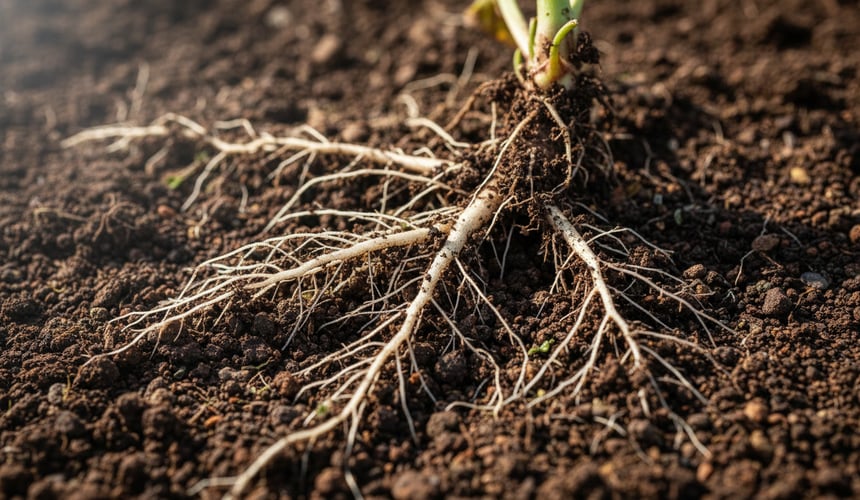
Plant roots are fundamental for nutrient and water acquisition, anchoring the plant, and interacting with the soil microbiome. Understanding how various external factors can modify root architecture and development is important for optimizing crop performance. Seaweed extracts, recognized for their biostimulant properties, are commonly considered for their potential to influence plant growth and vigor. A key aspect of their mode of action involves direct effects on the plant's root system.
Cropenta Insight
The specific influence of seaweed extracts on root architecture, beyond general root growth, holds practical implications for nutrient management. For instance, enhanced root hair formation can contribute to a larger absorptive surface, which may be relevant for optimizing phosphorus uptake. Understanding these precise morphological changes can guide the application of biostimulants to target specific physiological needs, supporting nutrient use efficiency programs.
Influence on Root Architecture
Seaweed extracts can play a role in stimulating plant growth, including the development of seedlings, root hairs, and secondary roots [1]. This influence on root architecture can contribute to improved nutrient acquisition capabilities and overall plant vigor [2]. Research indicates that various bioactive compounds present in seaweed extracts may be involved in these processes.
For example, studies have shown that extracts from green seaweeds, such as Ulva intestinalis, can affect early root development in model plants like Arabidopsis. These effects may include changes in root elongation and lateral root formation, suggesting a direct physiological response to specific compounds within the extract [3]. The alteration of root architecture, such as increased branching and root hair density, can expand the root system's surface area, potentially allowing for more efficient exploration of the soil volume for water and immobile nutrients.
Mechanisms of Action on Root Development
The bioactive components in seaweed extracts, such as plant growth regulators including auxins and cytokinins, are considered to play a role in modulating root development [1]. Auxins are known to regulate cell division and elongation in roots, while cytokinins influence cell differentiation and lateral root initiation. The presence of these compounds, even at low concentrations, may contribute to observed changes in root morphology.
Furthermore, marine polysaccharides, polyphenolic compounds, and other organic molecules within seaweed extracts may interact with plant signaling pathways. These interactions can affect genetic expression related to root development and stress responses, potentially leading to a more robust and efficient root system [4]. The cumulative effect of these compounds can support enhanced root activity, which is foundational for overall plant function.
Agronomic Relevance
Modifications to root architecture, such as increased root hair production and greater lateral root branching, can have practical implications for crops. A more developed root system may allow plants to access water and nutrients from a larger soil volume, potentially improving nutrient uptake efficiency. This can be particularly relevant in conditions where nutrient availability is limited or in dry periods where water accessibility is a challenge.
The improved root activity fostered by seaweed extracts may contribute to a plant's ability to maintain physiological functions under various environmental pressures. By enhancing the root system's capacity, crops may exhibit more consistent growth and development throughout their lifecycle [1]. It is important to note that the specific effects can vary depending on the seaweed species, extraction method, crop type, and environmental conditions.
Technical Summary
Seaweed extracts contain bioactive compounds that may influence plant root architecture and development. These compounds can promote root hair formation, lateral root branching, and overall root system expansion. Such modifications are considered to contribute to improved nutrient and water acquisition efficiency by increasing the root system's surface area and exploring a larger soil volume, thereby supporting plant vigor and potentially optimizing resource use.
Disclaimer
This article has been prepared with AI assistance using publicly available sources and is intended solely for general technical and educational purposes. It does not constitute professional advice or recommendations for specific applications. Cropenta makes no warranties regarding the accuracy, completeness or applicability of the information. No rights may be derived from its contents, and Cropenta accepts no liability for its use to the extent permitted by law.
Technical Questions
How do different seaweed species influence root development differently?
The specific effects on root development can vary significantly between different seaweed species and their extracts. This is due to variations in their bioactive compound profiles, including different types and concentrations of auxins, cytokinins, and polysaccharides. Therefore, results observed with one species, such as Ascophyllum nodosum, do not automatically apply to extracts derived from other seaweed types, like green or red algae.
What role do plant growth regulators in seaweed extracts play in root changes?
Seaweed extracts may contain natural plant growth regulators, such as auxins and cytokinins. Auxins typically influence root elongation and the initiation of lateral roots, while cytokinins often regulate cell division and differentiation in root tissues. These compounds, even at low concentrations, can interact with endogenous plant hormones, contributing to the observed changes in root architecture and overall development.
Are there specific root changes more beneficial for nutrient uptake than others?
Yes, specific changes in root architecture can be particularly beneficial for nutrient uptake. Increased root hair density, for instance, significantly expands the absorptive surface area, which is crucial for acquiring immobile nutrients like phosphorus. Enhanced lateral root branching allows for greater exploration of the soil volume, improving access to water and various soil-bound nutrients. These targeted changes may contribute to improved nutrient acquisition efficiency.
Related articles




Related Products



Looking for something specific?
Our team is there to help you find the right raw materials and solutions for your formulations

