When Does Rumen-Protected Soy Protein Add Value in Dairy Cow Rations?
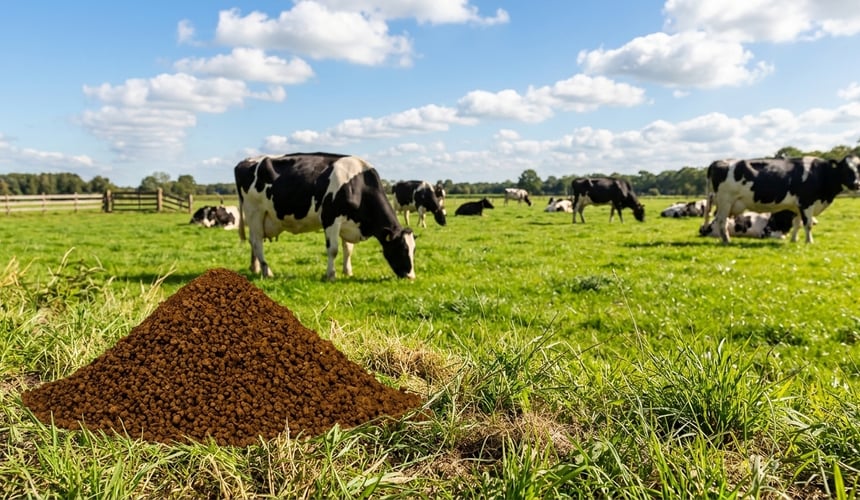
Feed formulation for dairy cows involves balancing energy and protein supply to support milk production, reproduction, and overall health. A critical aspect is ensuring an adequate supply of metabolizable protein and essential amino acids to the small intestine. While rumen-degradable protein (RDP) fuels microbial protein synthesis, rumen-undegradable protein (RUP), also known as bypass protein, directly contributes to the metabolizable protein pool available to the cow. The key question for nutritionists is under which practical circumstances do dairy cows truly benefit from being fed rumen-protected soy protein, and how can they determine if it will make a significant difference in specific rations?
Cropenta Insight
Effective utilization of protein sources like rumen-protected soy protein hinges on understanding its contribution to the metabolizable protein and amino acid supply. Precision in feed formulation, especially when aiming for low-protein diets, requires accurate characterization of ingredient degradation kinetics and intestinal digestibility. A clear distinction between in-vitro and in-situ values, as well as considering the assumed passage rate for RUP calculations, is vital for reliable nutritional valuation in dairy rations.
Rumen Protein Dynamics and Metabolizable Protein Supply
The value of any protein fed to ruminants is substantially influenced by the extent of its degradation in the rumen. Rumen micro-organisms degrade a portion of dietary protein into ammonia and amino acids, which they then use to synthesize microbial protein. This microbial protein is a high-quality amino acid source for the cow. However, some dietary protein escapes rumen degradation, becoming rumen-undegradable protein (RUP), which is then digested in the small intestine [1]. For protein protection to add value, a higher RUP fraction must also have high intestinal digestibility; over-processing can reduce both rumen degradation and intestinal digestibility.
When a cow's requirements for metabolizable protein and specific amino acids, such as lysine and methionine, exceed what can be supplied by microbial protein and the RUP from conventional feedstuffs, supplementation with protected protein sources becomes relevant [2, 3]. This often occurs in high-producing dairy cows during early lactation, when nutrient demands are particularly high, or when rations are formulated with lower crude protein levels to support nitrogen efficiency [2]. Low-protein diets supplemented with rumen-protected amino acids can help maintain or even support performance [3].
Evaluating Rumen-Protected Soy Protein: Characteristics and Valuation
This process, according to the supplier, creates melanoidins that resist microbial breakdown in the rumen but allow acid and enzymes in the abomasum and small intestine to release amino acids for absorption [4]. It is critical that this protection does not compromise intestinal digestibility; excessive processing can affect reactive lysine and lower overall amino acid digestibility.
The effectiveness of protein protection is quantified through degradation kinetics, measured, for example, using in-situ (nylon bag) incubation in rumen-fistulated cows, according to supplier data. Key parameters include the soluble fraction (S), potentially degradable fraction (D), fractional degradation rate (Kd), and the undegradable fraction (U). RUP is then calculated based on these characteristics and an assumed fractional passage rate (Kp), often 6%/h for high-producing dairy cows, according to supplier guidance. According to supplier statements, RUP values are only comparable at the same assumed passage rate. In addition to RUP, the intestinal digestibility of the rumen-undegraded protein is crucial. This is typically measured using techniques like the mobile nylon bag method in cannulated cows, according to supplier methodology [4]. A high RUP value combined with low intestinal digestibility provides little usable protein to the animal.
Nutritional protein valuation systems, such as the DVE/OEB system (intestinal digestible protein and rumen protein balance) or the nXP/RNB system, translate these measured degradation and digestibility characteristics into formulation values. For instance, according to product documentation, Bypass Soy Protein MP, a rumen-protected protein made from non-GMO soybean meal and treated molasses, has a calculated RUP above 80% at an assumed passage rate of 6%/h, with intestinal digestibility of the rumen-undegraded protein close to 100% . According to the supplier, in the Dutch DVE/OEB valuation, its digestible protein value is high with a rumen protein balance close to zero instead of strongly positive. According to supplier observations, in-vitro protein degradation tests are often unreliable for Maillard-protected proteins, tending to overstate rumen protection compared to in-vivo measurements [4].
Ration Contexts for Value Addition
Rumen-protected soy protein adds value primarily when the existing dietary protein sources do not adequately supply the metabolizable protein or essential amino acids required by the dairy cow. This often occurs in specific physiological states and ration contexts:
First, during early lactation, high-producing dairy cows have elevated demands for amino acids that often outpace the supply from microbial protein synthesis alone. In these situations, adding a highly digestible RUP source can help meet the deficit, potentially supporting higher milk protein yield and overall milk production [2]. Second, when formulating diets with lower crude protein levels to support nitrogen efficiency and reduce nitrogen excretion, rumen-protected soy protein can be a valuable tool. By supplying a targeted amount of bypass protein, it can aid in a reduction in total dietary crude protein while supporting the cow's amino acid supply [2, 5]. Studies have shown that low-protein diets supplemented with rumen-protected methionine and lysine can support performance, highlighting the importance of amino acid balance [3].
Conversely, if a ration already provides sufficient metabolizable protein and a balanced amino acid profile from microbial protein and conventional RUP sources, the addition of rumen-protected soy protein may not offer significant performance benefits or nitrogen efficiency benefits. Nutritionists must carefully evaluate the existing protein fractions (RDP and RUP) and the estimated amino acid supply in the current ration before deciding to supplement. The cost-effectiveness of adding rumen-protected soy protein should always be weighed against the potential for measurable considerations in milk yield, milk components, or feed nitrogen efficiency.
Technical Summary
Rumen-protected soy protein adds value when dairy cows' metabolizable protein and essential amino acid requirements exceed what microbial protein and standard RUP sources provide. This is especially relevant in early lactation or when formulating lower-crude-protein diets for improved nitrogen efficiency.
Disclaimer
This article has been prepared with AI assistance using publicly available sources and is intended solely for general technical and educational purposes. It does not constitute professional advice or recommendations for specific applications. Cropenta makes no warranties regarding the accuracy, completeness or applicability of the information. No rights may be derived from its contents, and Cropenta accepts no liability for its use to the extent permitted by law.
Technical Questions
How do feed formulators interpret variations between different types of protected protein ingredients?
Formulators assess protected protein ingredients by comparing their measured rumen undegradable protein (RUP) at a consistent passage rate, alongside intestinal digestibility data. They also consider the amino acid profile of the digestible RUP and how the protection method might affect overall nutrient availability and stability within the feed matrix. This comprehensive evaluation ensures the ingredient meets specific ration goals.
Related articles
Related Products
Looking for something specific?
Our team is there to help you find the right raw materials and solutions for your formulations

