Does the Type of Rumen-Protected Protein Influence Amino Acid Absorption?
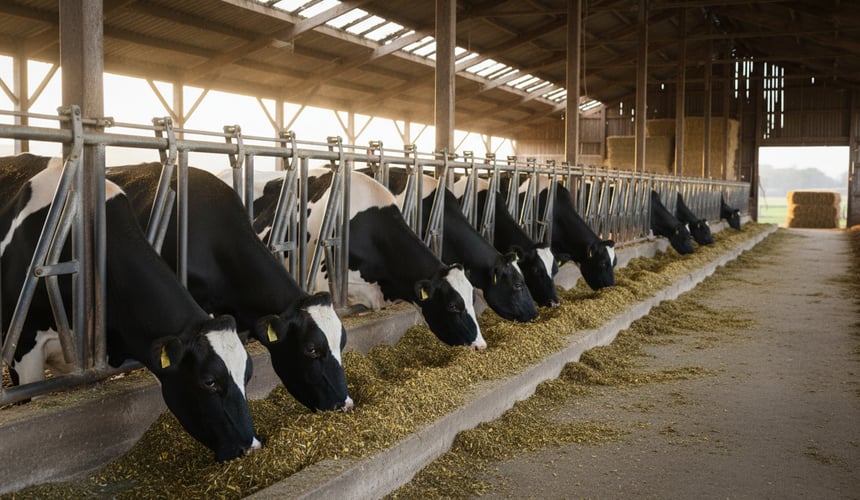
When formulating rations for ruminants, the goal extends beyond simply providing crude protein; it involves ensuring a sufficient supply of amino acids that can be absorbed in the small intestine. This raises a critical question: do all rumen-protected proteins deliver amino acids to the small intestine with the same efficiency, or does the protection method and the protein source itself play a significant role in how much an animal can truly absorb? Research suggests that the method of protein protection and the original protein source distinctly influence the post-ruminal amino acid availability.
Cropenta Insight
Understanding the actual intestinal digestibility of rumen-protected proteins is crucial for effective feed formulation. Not all protection methods deliver amino acids with the same efficiency; factors like Maillard reaction control or lignosulfonate treatment can significantly alter post-ruminal amino acid absorption. This technical distinction helps nutritionists compare feed ingredient solutions and make informed decisions beyond calculated RUP values, optimizing the supply of digestible protein to the animal.
Rumen Protection Methods and Amino Acid Delivery
Rumen-undegradable protein (RUP), often called bypass protein, is designed to escape degradation by rumen micro-organisms and become available for digestion in the small intestine . However, the mere presence of RUP does not guarantee efficient amino acid absorption. The type of protein protection method applied directly influences both the extent of rumen bypass and the subsequent intestinal digestibility of the protein [1].
Traditional methods of protein protection have included heat treatment, chemical treatments like formaldehyde, and controlled Maillard reactions [1]. Heat treatment, when applied judiciously, can reduce rumen degradation. However, over-processing with excessive heat can also diminish the intestinal digestibility of the protein, rendering the bypassed protein less usable by the animal .
Measuring Protein Degradation and Intestinal Digestibility
To accurately assess the nutritional value of rumen-protected proteins, it is important to evaluate both their rumen degradation characteristics and their intestinal digestibility. Rumen degradation kinetics, typically measured through in-situ (nylon bag) incubation in rumen-fistulated cows, provide parameters such as the soluble fraction (S), potentially degradable fraction (D), fractional degradation rate (Kd), and undegradable fraction (U) . According to research, RUP values are only comparable when assessed at the same assumed passage rate [2].
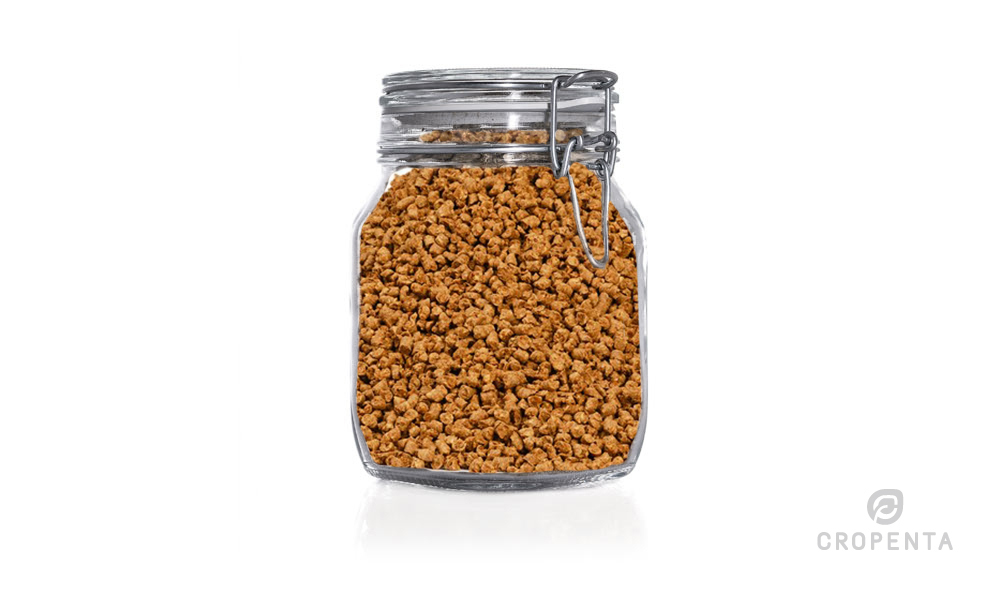
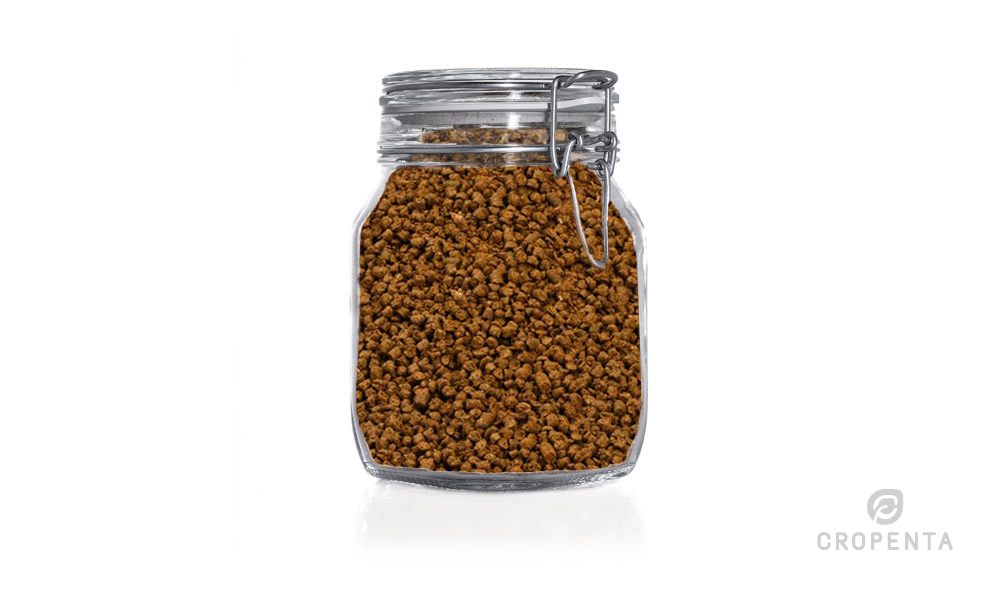
Crucially, a high RUP percentage alone is not sufficient. The intestinal digestibility of the rumen-undegraded protein, measured using techniques like the mobile nylon bag in duodenal-cannulated cows, indicates the proportion of bypassed protein that is actually digested in the small intestine . For instance, according to product documentation for Bypass Soy Protein MP, a rumen-protected protein made from non-GMO soybean meal and treated molasses via a controlled Maillard reaction, the calculated RUP is above 80% at an assumed passage rate of 6%/h, with intestinal digestibility of the RUP close to 100%, based on in-vivo work by an independent research institute [2]. Similarly, according to product documentation for Bypass Rapeseed MP, derived from rapeseed meal with the same protection method, it shows an RUP of about 80% at 6%/h and intestinal digestibility of about 90%, measured similarly [3].
Impact on Amino Acid Flow and Absorption
The total supply of amino acids to the small intestine, and thus the potential for absorption, is a combination of microbial protein synthesized in the rumen and the rumen-undegraded dietary protein (RUP) [1]. While microbial protein synthesis is a major amino acid source, the balance of rumen-degradable protein (RDP) to RUP in the diet influences its efficiency. Studies suggest that optimizing this ratio, possibly with rumen-protected amino acids, can enhance nitrogen-use efficiency [1, 4].
Different protein protection methods can lead to varied amino acid profiles reaching the small intestine. For example, some protection methods specifically aim to increase the bypass of essential amino acids like methionine, making them more biologically efficient [5]. However, not all treatments are equally effective or consistent. One study comparing physically-thermally treated and lignosulfonate-treated rapeseed meal found that their in-situ rumen-undegraded protein values were considerably lower than declared, and milk protein output did not significantly differ from untreated rapeseed meal [6].
Implications for Nutritional Valuation
Nutritional protein valuation systems, such as the Dutch DVE/OEB or German nXP/RNB, translate measured degradation and digestibility characteristics into formulation values. These systems emphasize that a better protein value is a calculation based on measured characteristics, not a direct measure of animal performance like higher milk production .
The efficiency of amino acid absorption is the ultimate determinant of a protected protein's value. Therefore, the choice of rumen-protected protein should consider both its rumen bypass efficiency and its subsequent intestinal digestibility to ensure optimal amino acid supply for the animal.
Technical Summary
The type of rumen protection method significantly influences post-ruminal amino acid absorption. While protection aims to increase rumen-undegradable protein (RUP), its true value depends on intestinal digestibility. Techniques like controlled Maillard reactions can improve both RUP and subsequent amino acid release in the small intestine, validated by in-vivo methods. Variations in protection efficiency between different methods and protein sources underscore the need for comprehensive evaluation beyond RUP values to ensure adequate metabolizable protein supply.
Disclaimer
This article has been prepared with AI assistance using publicly available sources and is intended solely for general technical and educational purposes. It does not constitute professional advice or recommendations for specific applications. Cropenta makes no warranties regarding the accuracy, completeness or applicability of the information. No rights may be derived from its contents, and Cropenta accepts no liability for its use to the extent permitted by law.
Technical Questions
How can the control of the Maillard reaction influence amino acid availability in rumen-protected proteins?
Over-processing can lead to excessive binding, which may damage reactive lysine and significantly reduce the overall intestinal digestibility of amino acids.
Why are in-vitro protein degradation tests considered less reliable for evaluating Maillard-protected proteins?
This discrepancy underscores the importance of animal-based studies for precise nutritional valuation.
What is the relationship between RUP calculation and the assumed passage rate (Kp)?
Differences in Kp can lead to varied RUP estimates for the same protein source.
- 1.The use of rumen-protected amino acids and fibrous by ... - PMC
- 2.Cropenta product documentation: Bypass Soy Protein MP
- 3.Cropenta product documentation: Bypass Rapeseed MP
- 4.Rumen-protected methionine for dairy and beef cattle
- 5.The mechanistic basis and functional diversity of rumen ...
- 6.Geschützte Rapsextraktionsschrote im Fütterungsversuch (proteinmarkt.de)
Related articles


Related Products

Looking for something specific?
Our team is there to help you find the right raw materials and solutions for your formulations

