Extruded or Toasted Full-Fat Soybeans and What Processing Does to Their Energy Value
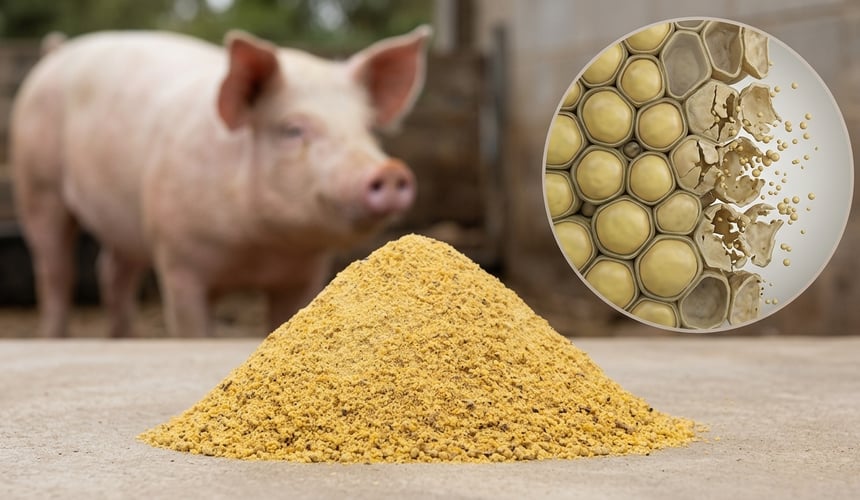
A feed adviser holding two full-fat soybean lots, one labelled extruded and one labelled toasted, will often ask the same question: which one supplies more usable energy to the animal? The label alone does not answer it. Both terms describe heat treatment, but they are different processes, and the energy value of the finished bean depends on what the heat did to the oil, the protein and the anti-nutritional factors.
Cropenta Insight
For buyers of plant protein ingredients, including potato protein, the same logic applies: one composition figure or one heat indicator does not describe the whole product. For full-fat soybeans, trypsin inhibitor activity, urease activity, KOH protein solubility and reactive lysine each measure a different aspect of heat treatment, and only digestibility measured in animals shows what is actually used. Ask which indicators were measured, in which species, and treat extrusion or toasting as process descriptions to be verified rather than as proof of energy value.
Heat indicators measure different things
Processing quality is checked with several laboratory indicators, and they are not interchangeable. Trypsin inhibitor activity measures residual heat-labile anti-nutritional factors and is the most direct indicator of adequate heat treatment for pigs and poultry. Urease activity is an indirect pH-rise test: a low result shows that heat was applied, but it does not show that processing was adequate throughout the lot or that the protein was not damaged. KOH protein solubility and the Protein Dispersibility Index each have their own optimum range and cannot replace urease or each other. Reactive lysine, the lysine with a free epsilon-amino group that the animal can absorb, can fall after over-processing while total lysine stays unchanged, because Maillard reactions between reducing sugars and free amino groups bind it. Controlled Maillard reactions are not automatically harmful, but excessive heat destroys lysine and lowers digestibility and palatability. Amino acid digestibility measured in animals is the only indicator here that shows what the animal can use.
Toasting, extrusion and roasting compared
Toasting treats whole beans with steam or dry heat, and the result depends on temperature, time, moisture and equipment, so there is no single toasting process. Extrusion is a thermomechanical process in which temperature, moisture, pressure, residence time, screw configuration and shear act together while the material is forced through a die. It changes the structure of the bean and can rupture oil cells, but a changed structure does not by itself prove that the animal digests more fat or protein. Roasting, which is dry heat applied to whole beans in a drum or on a belt, and expelling, which presses part of the oil out, are separate processes again.
What the sow study covers
The most relevant study for an energy question is a 2023 study on extruded full-fat soybean in sow diets. It set out to provide accurate nutritional value parameters, including chemical composition, energy content and apparent total tract digestibility, to guide the use of the extruded bean in sow rations.[1] That is a useful reference, because it measures the energy value of one processed bean in one species instead of assuming it from the process name. It does not rank extrusion against toasting, and it does not establish what a toasted bean would have delivered in the same conditions. The numerical values should be taken from the full paper, together with its diet composition and digestibility method.
A direct comparison exists in pigs. One published study investigated extruded and roasted full-fat soybeans, measuring amino acid and energy digestibility with and without a multienzyme supplement containing protease, phytase and fibre-degrading enzymes.[2] The enzyme supplement is a second variable, so any comparison of processing methods has to be read within that design. This article does not report the numerical outcome of that comparison, and the figures should be taken from the paper itself.
In poultry, a recent review notes that feeding trials have demonstrated effective utilisation of soybean meals made with various processing methods and feeding strategies.[3] That is a broad statement about utilisation, not a head-to-head energy comparison of extrusion and toasting, and it does not show that one method is better for every species or age.
Fat digestibility and the oil in the bean
Energy value in full-fat soybeans depends on fat as well as protein, and that is where the processing history shows up most clearly. Full-fat processing keeps the oil inside the bean, unlike solvent extraction, which removes it with hexane, or expelling, which presses part of it out. Extrusion can rupture oil cells. It is a plausible hypothesis that this makes the fat more accessible in the digestive tract, but that has to be confirmed by digestibility measurement for the specific product and species. A ruptured cell seen in a micrograph does not show how much fat the animal digests. Toasting also keeps the oil bound in the bean, and the energy result depends on how much heat the oil and protein received, not only on the method name.
Operational observations from the mill
Extrusion and toasting tend to fail in different ways. An extruder is sensitive to moisture and feed rate: small moisture shifts change die pressure and expansion, and an unstable run produces beans of uneven texture that do not all receive the same treatment. Toasters depend on even heat distribution and residence time, and uneven toasting can leave some beans under-treated while others are over-treated within one lot. For a buyer, temperature, moisture and throughput records from the production run say more about consistency than the process name alone. Whether these patterns occur across mills has not been demonstrated in the studies cited here.
What to ask before comparing lots
Ask the supplier for process parameters and for at least one indicator that reflects the animal response rather than chemistry alone. Trypsin inhibitor activity indicates heat treatment for monogastric animals, while digestibility data for fat and amino acids show what the animal uses. Energy values are derived from digestibility, so fat digestibility deserves particular attention. Where no digestibility data exist for the product in the target species, its energy value is not established, and an extruded or toasted label does not replace that evidence.
Limits of the current evidence
The evidence available here is limited. It consists of one sow study that reports energy and digestibility values for an extruded bean, one pig comparison of extruded and roasted beans with an enzyme variable, and a broad poultry review. None of these sources shows that extrusion automatically gives a higher energy value than toasting. Results depend on species, age, enzyme use and the process conditions actually applied, so they cannot be transferred directly to poultry, ruminants or other production systems.
Technical Summary
Extrusion and toasting are different processes, and neither name predicts energy value on its own. Energy value depends on digestible fat and protein, which only digestibility data in the target species show. The available pig and sow studies report energy and digestibility values without establishing that one method is better. Buyers should request process records, heat indicators and digestibility data for the species they feed.
This article was created with the help of AI and reviewed by the Cropenta editorial team. It is general information, not professional advice.
Technical Questions
Why does a low urease result not settle the question of processing quality in full-fat soybeans?
Urease activity indicates that heat was applied, because it falls as the bean is heated. It does not show whether the treatment was adequate for trypsin inhibitors or whether the protein was damaged by over-processing. A bean can show low urease while reactive lysine has fallen, so urease should be read together with trypsin inhibitor activity, KOH protein solubility and digestibility data.
Which measurements should a feed formulator request when comparing extruded and toasted full-fat soybeans for pigs?
Request the process parameters, including temperature, moisture and residence time, together with trypsin inhibitor activity, reactive lysine and amino acid digestibility where available. Fat digestibility is also relevant to energy value. Check whether the data were measured in the species and age being fed, and note whether the trial used an enzyme supplement. Results from sows or growing pigs should not be assumed for poultry or ruminants.
Related articles
Related Products

Looking for something specific?
Our team is there to help you find the right raw materials and solutions for your formulations

