How Does Glycine Betaine Interact with Other Biostimulants?
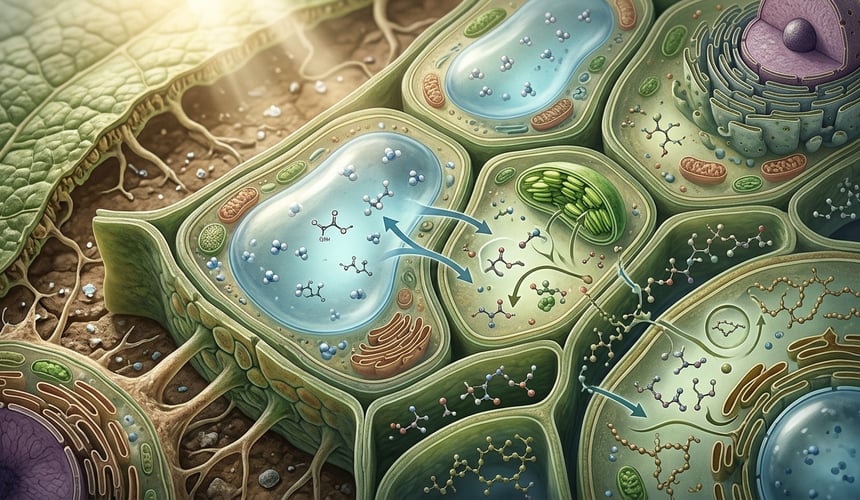
When plants face abiotic stressors such as drought, heat, or salinity, their physiological processes can be significantly affected. Biostimulants are applied to help plants manage these conditions. Glycine betaine, a well-researched osmoprotectant, is often considered for its role in stress mitigation. A key question for formulators and agronomists is how glycine betaine works alongside other biostimulants in a formulation and what benefits might arise from such combinations for crop resilience.
Cropenta Insight
Understanding the distinct physiological mechanisms of glycine betaine and other biostimulant raw materials is crucial for developing effective crop nutrition strategies. While glycine betaine primarily supports cellular osmotic adjustment and antioxidant defense, other compounds like amino acids may offer different benefits.
Glycine Betaine's Core Actions in Stress Mitigation
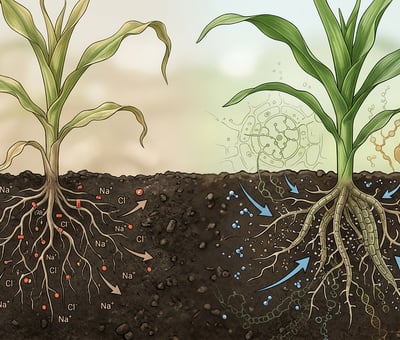
Glycine betaine is a compatible solute that accumulates in plant cells under various abiotic stresses. Its primary role involves stabilizing the cellular osmoticum, which is critical for maintaining cell turgor and overall water balance . Beyond osmotic adjustment, glycine betaine contributes to the detoxification of reactive oxygen species (ROS) molecules. It achieves this by inducing the plant's natural antioxidant machinery, which helps to reduce oxidative damage within cells [1, 2]. These combined effects may assist plants in maintaining vital functions like nutrient uptake, even when exposed to adverse conditions [2].
Broader Physiological Interactions of Glycine Betaine
The impact of glycine betaine extends beyond direct osmotic and antioxidant roles. Research suggests that glycine betaine interacts with various internal plant signaling pathways. For instance, it may influence phytohormones and growth hormones, which are essential for coordinating plant responses to stress [3, 4]. Glycine betaine is also associated with ion homeostasis pathways, helping plants manage the balance of ions, particularly under salinity conditions [4]. These interactions indicate a complex involvement of glycine betaine in the plant's overall stress response network.
Considering Interactions with Other Biostimulant Ingredients
Other biostimulant raw materials, such as amino acids and seaweed extracts, also play roles in plant stress responses. Amino acids like proline can act as osmolytes, while others are precursors for stress-related compounds. Seaweed extracts contain various bioactive compounds, including polysaccharides and naturally occurring plant growth regulators, which may modulate stress physiology. Given the distinct mechanisms of these different biostimulant categories, there is a theoretical basis for their potential to complement each other in a combined formulation. For example, if glycine betaine addresses osmotic balance and ROS, while amino acids support protein synthesis or nitrogen metabolism, or seaweed extracts influence root development or nutrient uptake, their combined application may offer a broader spectrum of plant responses to abiotic stress. However, specific synergistic or additive effects of combined formulations with glycine betaine and other biostimulant raw materials require targeted scientific investigation to confirm, as effects can differ per crop, concentration, and application timing.
Technical Summary
Glycine betaine supports plant resilience by stabilizing cellular osmoticum and inducing antioxidant defense mechanisms under abiotic stress, and it may also interact with phytohormones and ion homeostasis. While other biostimulants like amino acids and seaweed extracts have distinct stress-mitigating roles, specific evidence for synergistic or additive effects of combined glycine betaine formulations with these raw materials needs further targeted research to validate potential complementary actions.
Disclaimer
This article has been prepared with AI assistance using publicly available sources and is intended solely for general technical and educational purposes. It does not constitute professional advice or recommendations for specific applications. Cropenta makes no warranties regarding the accuracy, completeness or applicability of the information. No rights may be derived from its contents, and Cropenta accepts no liability for its use to the extent permitted by law.
Technical Questions
How does glycine betaine specifically aid in cellular osmotic adjustment during stress?
Glycine betaine acts as a compatible solute that accumulates in the cytoplasm without interfering with metabolic processes. This accumulation helps to balance the osmotic pressure between the cell and its environment, maintaining cell turgor and preventing water loss, which is crucial for cellular functions under conditions like drought or high salinity.
What is the role of antioxidant machinery induced by glycine betaine?
Abiotic stress can lead to the overproduction of reactive oxygen species (ROS), causing oxidative damage to cell components. Glycine betaine supports the plant's defense by inducing or enhancing the activity of antioxidant enzymes, such as superoxide dismutase or catalase, which neutralize ROS and thus reduce cellular damage.
Are there known differences in how glycine betaine interacts with stress in various crop species?
The capacity of plants to synthesize and accumulate glycine betaine, as well as their response to exogenous application, varies considerably among species. Some plants naturally accumulate high levels, while others do not. This genetic variability means that the effects and optimal application strategies for glycine betaine can differ significantly across different crops.
Related articles
Related Products



Looking for something specific?
Our team is there to help you find the right raw materials and solutions for your formulations

