Prebiotics and Probiotics in Microbial Biostimulant Formulations
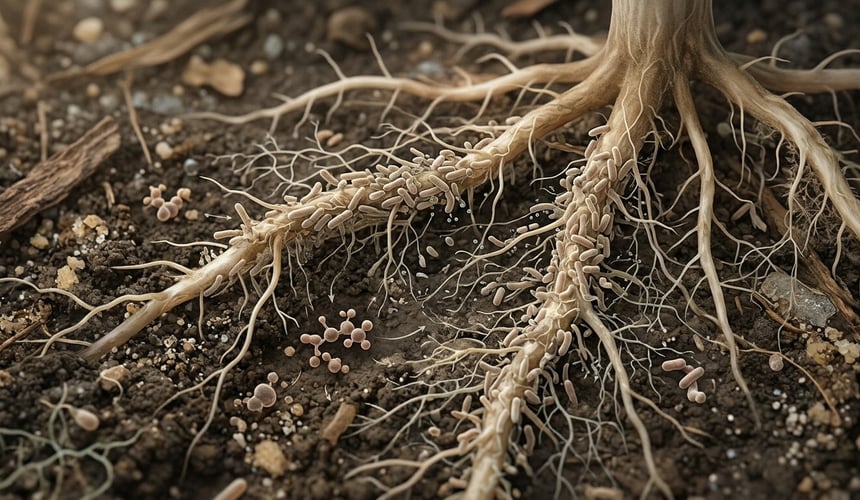
The question of how combining prebiotics and probiotics with beneficial microbes might lead to more effective biostimulant products for crops is central to advancing microbial agricultural technologies. Microbial biostimulants, which utilize beneficial microorganisms, are recognized for their potential to support crop performance and nutrient availability [1, 2]. However, the survival and activity of these microbes can face challenges within formulations and in the complex field environment. Incorporating prebiotics and probiotics into biostimulant formulations offers a strategy to address these limitations by providing specific support for the introduced microorganisms [3].
Cropenta Insight
The integration of prebiotics and probiotics into microbial biostimulant formulations represents a key area for influencing microbial viability and activity. Understanding how these components support microbial activity and persistence in the rhizosphere is crucial for developing robust products. This approach aims to help beneficial microorganisms establish and function effectively, ultimately contributing to nutrient mobilization and overall crop performance under varying field conditions.
Defining Prebiotics and Probiotics in Agriculture
In an agricultural context, prebiotics are substances that promote the growth or activity of beneficial microorganisms already present in the soil or introduced via biostimulants [3]. These are typically non-digestible compounds that serve as a nutrient source for specific microbial populations. Probiotics, conversely, are live beneficial microorganisms that, when applied to plants or soil, can confer a beneficial effect on the host [4]. The distinction lies in prebiotics feeding existing or introduced microbes, while probiotics are the microbes themselves. When both are combined, they can form a 'synbiotic' effect, where the prebiotic specifically supports the introduced probiotic organisms [3].
How Prebiotics Support Microbial Biostimulants
Prebiotics can play a role in influencing microbial diversity and overall soil microbial health by promoting the growth of advantageous soil microorganisms. For microbial biostimulants, prebiotics can function as protective agents and nutrient sources within the formulation, potentially supporting the viability of the beneficial microbes during storage and after application. This support may extend to the rhizosphere, where prebiotics can help the introduced microbes establish and become active by providing a readily available food source, thereby influencing their competitive advantage against native microbial communities. For example, specific carbon sources may act as prebiotics to certain plant-beneficial microbes, influencing their population dynamics and functional persistence [3].
Probiotic Microbes and Their Activity
The effectiveness of probiotic microorganisms in biostimulants depends on their ability to survive, remain active, and establish beneficial interactions in the plant's root zone. Many studies indicate the potential of microbial consortia, including rhizobacteria and rhizofungi, as plant biostimulants [4]. However, laboratory activity does not consistently translate to field activity. Factors such as environmental conditions, soil type, and indigenous microbial populations can influence the performance of introduced beneficial microbes. The careful selection of probiotic strains and their protective formulation is therefore relevant for consistent field results [3].
The Role of Synbiotics in Field Performance
Combining prebiotics with probiotics in a synbiotic approach can be a strategy to influence the persistence and activity of microbial biostimulants. The prebiotic component may help protect the probiotic microbes from environmental stresses, provide energy for their initial establishment, and stimulate their activity in the soil. This integrated approach aims to bridge the gap between laboratory potential and field performance, helping to ensure that a higher number of viable and active beneficial microorganisms reach the plant roots. The goal is to influence nutrient availability, root development, and overall crop performance through sustained microbial activity [3].
Technical Summary
The integration of prebiotics and probiotics into microbial biostimulants offers a pathway to potentially influence the survival and activity of beneficial microorganisms in agriculture. Prebiotics provide nutritional support and can influence microbial viability within formulations and in the soil, while probiotics are the beneficial microbes themselves. A synbiotic approach, combining both, can support microbial establishment and activity in the rhizosphere, which may contribute to nutrient mobilization and crop performance.
Disclaimer
This article has been prepared with AI assistance using publicly available sources and is intended solely for general technical and educational purposes. It does not constitute professional advice or recommendations for specific applications. Cropenta makes no warranties regarding the accuracy, completeness or applicability of the information. No rights may be derived from its contents, and Cropenta accepts no liability for its use to the extent permitted by law.
Technical Questions
What is the primary difference between a prebiotic and a probiotic in agricultural applications?
A prebiotic is a substance that promotes the growth or activity of beneficial microorganisms already present or introduced. A probiotic, conversely, is the live beneficial microorganism itself that, when applied, may confer a beneficial effect to the host plant or soil. Prebiotics nourish, while probiotics are the active biological agents.
How can prebiotics contribute to the stability of microbial biostimulant formulations during storage?
Prebiotics can act as protective agents and nutrient sources within the formulation. By providing a readily available energy source, they may support the viability of beneficial microorganisms during storage periods, helping to maintain their population levels and functional capacity until application in the field.
What are some of the challenges faced by beneficial microbes from biostimulant formulations once applied in the field?
Beneficial microbes encounter various challenges in the field, including environmental stresses like temperature fluctuations, moisture variations, and competition from indigenous soil microbial communities. Their ability to survive, remain active, and establish beneficial interactions in the rhizosphere is crucial but not always guaranteed due to these factors.
Can the combination of prebiotics and probiotics influence the competitive advantage of introduced microbes in the rhizosphere?
Yes, a synbiotic approach, combining prebiotics with probiotics, can potentially influence the competitive advantage of introduced microbes. The prebiotic component may supply essential nutrients that support the rapid establishment and growth of the probiotic organisms, helping them to compete more effectively with native soil microorganisms and establish a functional presence.
Related articles

Related Products


Looking for something specific?
Our team is there to help you find the right raw materials and solutions for your formulations

