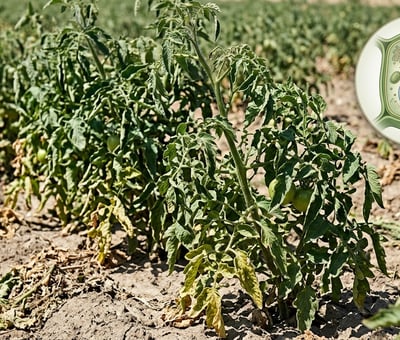
How Does Heat Stress Influence Rumen-Protected Soy Protein Value in Dairy Diets?
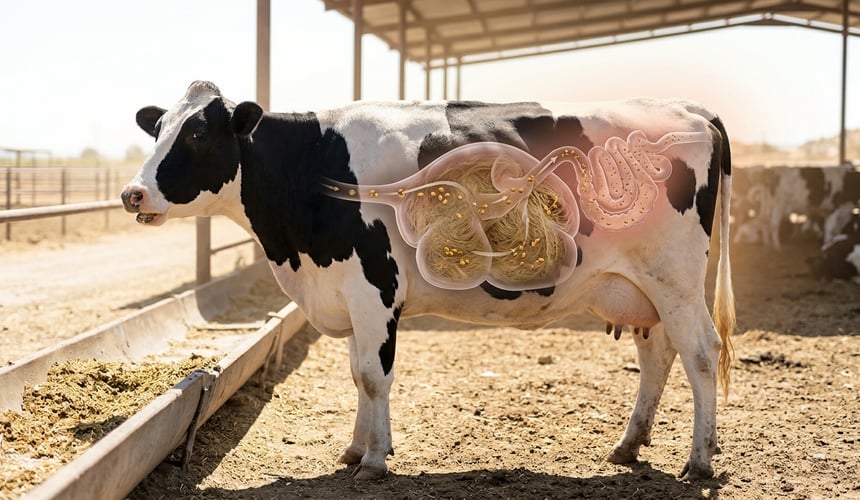
Dairy cows in hot weather eat less, and the protein that reaches their small intestine may not match what the ration sheet predicts. Rumen-protected soy protein is designed to pass the rumen largely undegraded so that the cow can digest it after the stomach. Its formulation value is calculated from in-situ degradation measurements and intestinal digestibility, not from measurements in heat-stressed cows.
This article follows the question from two directions: what happens in the rumen and what happens in the intestine. The direct evidence is limited. The sources reviewed do not include a study that measured rumen degradation or intestinal digestibility of a protected soy protein in heat-stressed dairy cows, so the reasoning below combines heat stress physiology with the dairy and cattle findings that do exist.
Cropenta Insight
For a nutritionist, the bypass value of a protected protein is a value at a stated passage rate and under the conditions in which it was measured. Heat stress changes intake, rumen passage and possibly gut function, and no source reviewed quantifies how these shifts affect protected soy protein. Until such data exist, RUP and digestible protein figures should be read as calculations for the measured conditions, not as heat-adjusted values.
How heat stress reaches the rumen
Heat stress in ruminants is associated with lower dry matter intake, reduced average daily gain and a poorer feed conversion ratio.[1] In dairy cows, reduced intake is generally regarded as a main factor behind negative energy balance and lower milk production, and a review of heat-stressed lactating cows describes changes in rumen microbes and host physiology alongside it.[2]
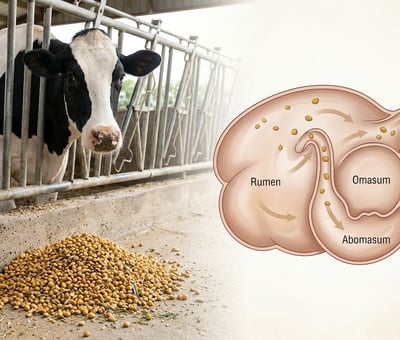
For protein, the direct consequences are not fully mapped. Lower intake changes how fast feed moves through the rumen, and shifts in rumen fermentation can change how much feed protein the microbes break down. Both points are plausible, but they have not been quantified for protected soy protein. Standard RUP is calculated from degradation parameters at one assumed passage rate (Kp), so RUP values are only comparable at the same Kp. That value does not change automatically when intake and rumen fill change under heat.
What the dairy and cattle studies add
A study in heat-stressed lactating dairy cows reported that lowering both rumen-degradable and rumen-undegradable protein in the diet was associated with better amino acid metabolism and energy utilization.[3] This suggests that the protein supply to heat-stressed cows is not simply a matter of more bypass protein being better. Heat stress changes the animal's demand as well as the supply, and that demand is not captured by a single RUP figure.
A study in heat-stressed cattle during early fattening reported a performance result after a 10% increase in dietary RUP levels; the reported outcome is limited to that beef fattening setting.[4] It does not measure rumen degradation or digestibility of soy protein in dairy cows, so it cannot be transferred directly to dairy rations.
Intestinal digestibility: the missing link
Protected soy protein only adds value if the protein that escapes the rumen is digested in the small intestine. Intestinal digestibility is measured in cows fitted with duodenal cannulas, often with the mobile nylon bag technique, and it describes the share of rumen-undegraded protein that is digested there. A high RUP combined with low intestinal digestibility delivers little usable protein. The sources reviewed contain no heat-stress measurement of intestinal digestibility for this protein, so this step of the chain remains an open question.
How the Bypass Soy Protein MP figures fit in
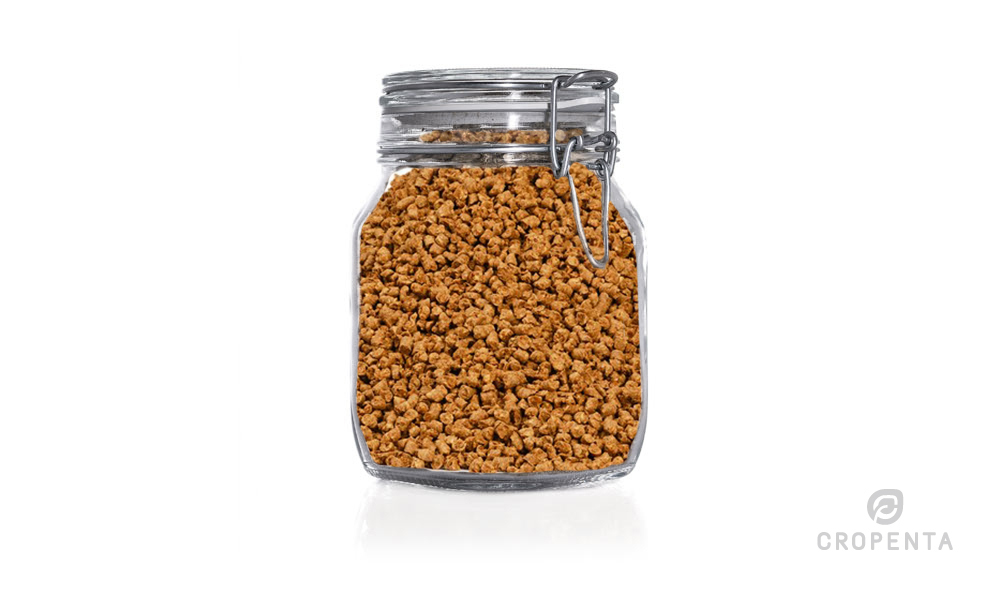
According to the manufacturer, Bypass Soy Protein MP, offered by Cropenta, is a rumen-protected protein made from non-GMO soybean meal and treated molasses, with the protein bound to selected reducing sugars in a controlled Maillard reaction and no added formaldehyde. According to the manufacturer, these measurements were made in cows under an in-situ protocol and do not describe heat-stressed animals, so they cannot be carried over to hot-weather conditions.
Formulation and operational implications
In hot weather the first change on farm is usually a drop in intake, not a change in the ration analysis. Bypass protein is delivered within a fixed quantity of feed, so when intake falls, the absolute amount of bypass protein reaching the cow falls with it, even if the percentage in the ration stays the same. A formulation that was balanced at normal intake may therefore supply less bypass protein per cow than the sheet suggests during a heat period. This is arithmetic from the feeding situation rather than a measured result, and the size of the gap depends on how far intake drops.
What remains to be measured
Three gaps stand out: rumen degradation of protected soy protein in heat-stressed dairy cows, intestinal digestibility under the same conditions, and whether the passage rate assumed for a ration still holds when intake falls. In-vitro degradation tests overstate rumen protection for Maillard-protected proteins compared with in-situ measurement, so they cannot fill these gaps either.
Technical Summary
Heat stress lowers feed intake and alters rumen function in dairy cows, which can change how much rumen-protected soy protein reaches the small intestine. Standard RUP values assume a fixed passage rate and are not heat-adjusted. No source reviewed measured degradation or intestinal digestibility of protected soy protein under heat stress, so the effect remains a reasoned expectation rather than a quantified result.
This article was created with the help of AI and reviewed by the Cropenta editorial team. It is general information, not professional advice.
Technical Questions
Why does a standard RUP value not automatically apply to heat-stressed cows?
RUP is calculated from degradation parameters at an assumed passage rate, which reflects a particular intake and rumen fill. Under heat stress intake may fall and the passage rate of rumen contents may change. The calculated RUP therefore describes the measured conditions and the chosen Kp, and it cannot be read as the bypass supply under hot conditions without new measurements.
Which data would a formulator ask for before adjusting bypass protein for hot weather?
Useful data include RUP at the passage rate used in the valuation, the in-situ degradation parameters S, D and Kd, and intestinal digestibility measured in cows. Feed intake records from hot periods and the assumed Kp in the valuation system help judge how far the calculated supply may shift. Where such data do not exist for the protein concerned, the gap should be stated rather than assumed closed.
- 1.Dietary effects of protected fat, soybean meal, and heat-treated soybean meal on ... - PMC - NIH
- 2.Heat Stress: Effects on Rumen Microbes and Host Physiology, and Strategies to Alleviate the Negative Impacts on Lactating Dairy Cows - PMC
- 3.Lowering rumen-degradable and rumen-undegradable protein improved amino acid metabolism and energy utilization in lactating dairy cows exposed to heat stress
- 4.Dietary effects of protected fat, soybean meal, and heat-treated ...
Looking for something specific?
Our team is there to help you find the right raw materials and solutions for your formulations