Optimizing Amino Acid Balance in Ruminant Rations with Rapeseed RUP
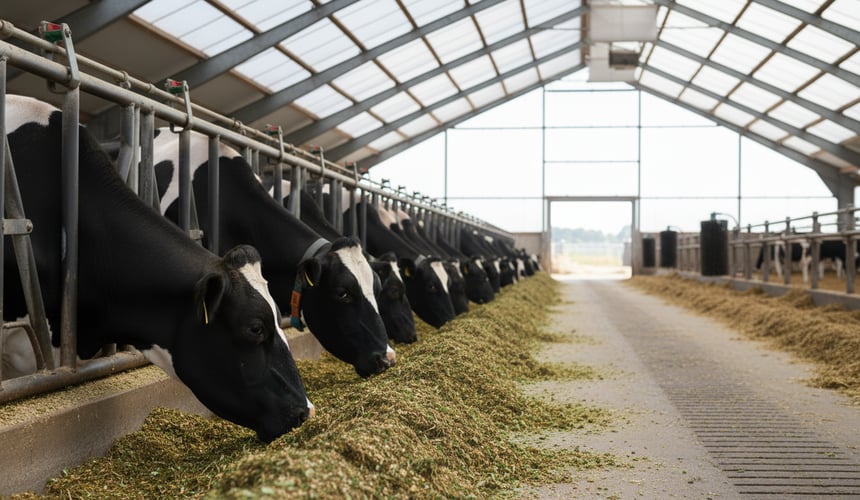
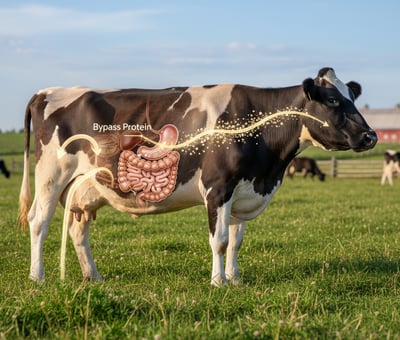
Optimizing the amino acid profile available to ruminants is a key strategy for enhancing production efficiency and overall animal health. While crude protein intake is often the focus, the balance of specific amino acids absorbed in the small intestine, known as metabolizable protein (MP), ultimately dictates protein utilization. Ruminants require a precise supply of essential amino acids to support various metabolic functions, including milk production in dairy cows and muscle growth in beef cattle. Meeting these requirements can be challenging due to the extensive protein degradation that occurs in the rumen. Rumen-protected proteins are designed to bypass this degradation, ensuring a greater proportion of amino acids reaches the small intestine for absorption.
Cropenta Insight
Accurate evaluation of rumen-undegradable protein (RUP) is critical for effective amino acid balancing in ruminant diets. Understanding how in vitro and in vivo methods compare, especially for protected proteins, is key. These differences help formulators assess metabolizable protein availability and optimize dietary protein efficiency.
The Role of Rumen-Protected Rapeseed Protein
Rapeseed meal is recognized as a valuable protein source for livestock, but its conventional form undergoes significant degradation in the rumen. According to its supplier, rumen-protected rapeseed protein is processed to reduce its susceptibility to microbial breakdown, allowing more intact protein and its constituent amino acids to pass into the lower digestive tract. This rumen bypass capacity makes it a strategic ingredient for improving the amino acid balance in ruminant diets. A study evaluating NovaPro and other rumen-protected rapeseed proteins suggested that cows fed these ingredients may show similar or improved milk production compared to other protein sources [1]. This indicates the potential of such products to effectively supply metabolizable protein.
Amino Acid Contributions to Ruminant Nutrition
The amino acid profile of rapeseed protein is particularly beneficial for ruminants, offering good levels of methionine and lysine, which are often limiting amino acids in dairy and beef cattle diets. Methionine is crucial for various metabolic processes, including milk protein synthesis, while lysine plays a vital role in muscle development and growth. By providing a consistent supply of these essential amino acids, rumen-protected rapeseed protein supports the animals' metabolic demands. The ability of rumen-protected amino acids to reduce dietary crude protein levels while maintaining performance has been explored, highlighting their importance in balancing nutrient supply and reducing nitrogen excretion [2].
Evaluation of Rumen Protection and Digestibility
The effectiveness of rumen-protected rapeseed protein hinges on both its degree of rumen undegradability (RUP) and the intestinal digestibility of that undegraded protein. According to the supplier's documentation, a specific product indicates a calculated RUP of about 80% at an assumed passage rate of 6%/h, with intestinal digestibility of the rumen-undegraded protein reported at about 90%. These measurements, conducted in vivo by an independent research institute according to the supplier's documentation, provide insights into the amount of protein available for absorption in the small intestine. This underscores the importance of robust evaluation methods for accurately assessing an ingredient's nutritional contribution.
Furthermore, research has investigated the impact of different sources and frequencies of rumen-protected protein supplementation on total-tract digestibility and milk production, reinforcing the importance of selecting appropriate protein sources [3]. This contrasts with earlier findings on physically and lignosulfonate-treated rapeseed meals, where in situ measurements showed lower RUP than declared values, with less significant differences from untreated meals compared to older formaldehyde treatments [4].
Formulation Considerations for Dairy and Beef Rations
Incorporating rumen-protected rapeseed protein into ruminant rations can help formulators address specific amino acid deficiencies and potentially optimize protein utilization efficiency. This approach may allow for the reduction of overall dietary crude protein while maintaining or improving production, which can have economic and environmental benefits. Balancing the rumen-degradable-to-undegradable protein ratio in ruminant diets influences in vitro digestibility, rumen fermentation, and microbial protein synthesis, all of which contribute to the overall protein economy of the animal [5]. Therefore, understanding the precise amino acid contributions of rumen-protected rapeseed protein supports more targeted and efficient feed formulation strategies for dairy and beef cattle.
Technical Summary
Rumen-protected rapeseed protein contributes to balanced amino acid profiles in ruminant diets by delivering key amino acids like methionine and lysine to the small intestine. This bypass capacity supports metabolizable protein supply, which is critical for milk production and growth. According to suppliers, studies indicate that in vivo methods are important for accurate RUP and intestinal digestibility evaluations, as in vitro methods may not always reflect the true value of protected proteins, guiding more effective feed formulation.
Disclaimer
This article has been prepared with AI assistance using publicly available sources and is intended solely for general technical and educational purposes. It does not constitute professional advice or recommendations for specific applications. Cropenta makes no warranties regarding the accuracy, completeness or applicability of the information. No rights may be derived from its contents, and Cropenta accepts no liability for its use to the extent permitted by law.
Technical Questions
How does the processing of rapeseed meal create rumen protection?
Rumen protection in rapeseed meal is achieved through specific treatments, often involving heat or chemical methods, which alter the protein structure. This modification reduces the protein's degradability by rumen microbes, allowing a greater proportion to bypass the rumen and become available for absorption in the small intestine. The effectiveness depends on the method used and requires careful evaluation.
What is the significance of methionine and lysine in ruminant diets?
Methionine and lysine are often considered the first and second limiting amino acids, respectively, in dairy and beef cattle. They are crucial for milk protein synthesis, muscle growth, and overall metabolic function. Supplying adequate levels of these specific amino acids, particularly in a rumen-protected form, is vital for optimizing animal performance and nutrient utilization.
Why are in vivo measurements preferred for evaluating rumen-protected proteins?
According to suppliers, in vivo measurements, typically involving rumen-fistulated animals, provide a more accurate assessment of rumen protein degradation and intestinal digestibility compared to in vitro methods.
How does rumen-protected rapeseed protein compare to other bypass protein sources?
Rumen-protected rapeseed protein offers a distinct amino acid profile, particularly in its methionine and lysine content, which can complement other protein sources. Its contribution to metabolizable protein depends on its RUP value and intestinal digestibility. Formulators consider the balance of amino acids, cost, and overall ration requirements when comparing it with other rumen-protected protein ingredients.
- 1.Evaluation of rumen protected rapeseed expeller (NovaPro ...
- 2.The use of rumen-protected amino acids and fibrous by- ...
- 3.Effect of source and frequency of rumen-protected protein ...
- 4.Geschützte Rapsextraktionsschrote im Fütterungsversuch (proteinmarkt.de)
- 5.The use of rumen-protected amino acids and fibrous by ... - PMC
Related articles


Related Products

Looking for something specific?
Our team is there to help you find the right raw materials and solutions for your formulations

