Cornsteep Liquid
CSL – raw material for organic fertilisers and biostimulants
Summary
- Bio-based liquid raw material from maize
- Contains amino acids, peptides, and organically bound nitrogen
- Provides organic carbon for soil life
- Can contribute to nutrient utilization and root development
- Quality and properties vary depending on source
- Own testing is essential for application
Cornsteep Liquid, also known as Corn Steep Liquor (CSL), is a liquid co-stream from the wet processing of maize. During the steep process, soluble nutrients are released from the maize kernel into the soaking water. After concentration, it results in a viscous liquid rich in organic nitrogen, amino acids, peptides, organic acids, and minerals.
Historically, CSL has been used in fermentation processes and animal feed. Due to its composition and biological origin, Cornsteep Liquid is increasingly considered as a raw material for applications in plant cultivation, such as organic fertilizers and biostimulant concepts.
Process conditions such as temperature, residence time, and filtration degree vary by producer. These factors influence the color, composition, and practical usability of Cornsteep Liquid.
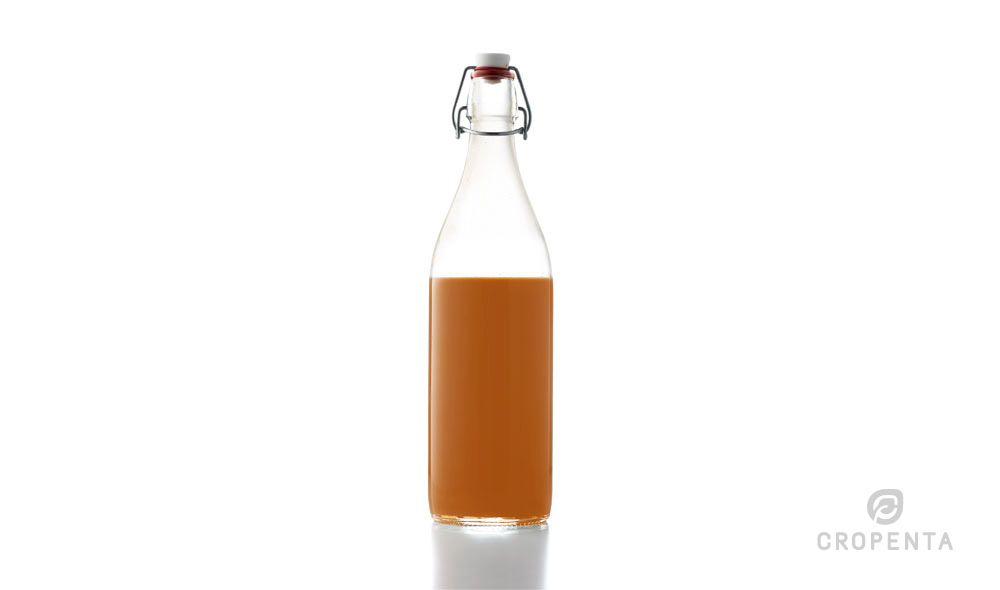
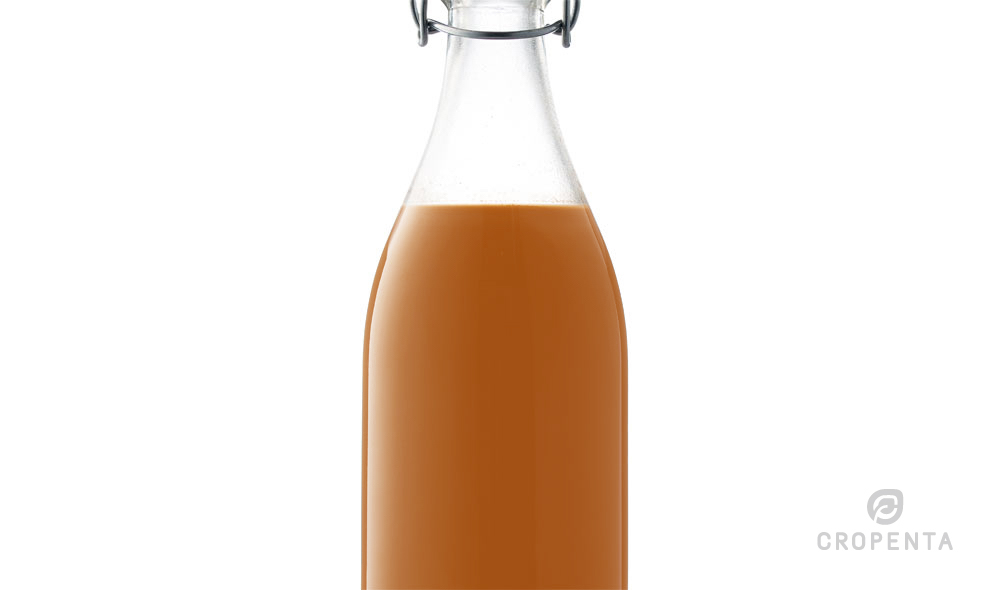
Mildly processed and better-filtered variants generally have a lighter, golden appearance and a more consistent composition. These properties can be advantageous for use as an ingredient in fertilizers and biostimulants.
Additionally, the product contains organic carbon and organic acids that can stimulate microbial activity in the soil. An active soil life plays a key role in nutrient mobilization, root development, and soil structure.
The combination of amino acids, organic acids, and minerals makes CSL interesting for concepts focused on root activity, nutrient uptake, and stress reduction in plants.
Users considering CSL as a raw material should perform their own tests on stability, compatibility, and dosing within their specific application.
Historically, CSL has been used in fermentation processes and animal feed. Due to its composition and biological origin, Cornsteep Liquid is increasingly considered as a raw material for applications in plant cultivation, such as organic fertilizers and biostimulant concepts.
Origin and Production Process
Cornsteep Liquid is produced during wet maize starch extraction. The kernels are cleaned and soaked for an extended period, releasing soluble components. The process concludes with concentrating the soaking water into a liquid product.Process conditions such as temperature, residence time, and filtration degree vary by producer. These factors influence the color, composition, and practical usability of Cornsteep Liquid.
Variation in Quality and Product Properties
Cornsteep Liquid is not a uniform product. Variants can differ significantly in color, viscosity, and stability depending on production settings. Heavily thermally processed or minimally filtered products can be dark to nearly black.Mildly processed and better-filtered variants generally have a lighter, golden appearance and a more consistent composition. These properties can be advantageous for use as an ingredient in fertilizers and biostimulants.
Nutritional Value for Soil and Plant
Cornsteep Liquid provides organically bound nitrogen in the form of amino acids and short peptides. These compounds can contribute directly or after partial mineralization to nitrogen availability for the crop.Additionally, the product contains organic carbon and organic acids that can stimulate microbial activity in the soil. An active soil life plays a key role in nutrient mobilization, root development, and soil structure.
Role in Organic Fertilizers and Biostimulants
Within organic fertilizers, Cornsteep Liquid can be used as a source of organic nitrogen and carbon. In biostimulant formulations, it can serve as a carrier or nutrient source for microbial processes.The combination of amino acids, organic acids, and minerals makes CSL interesting for concepts focused on root activity, nutrient uptake, and stress reduction in plants.
Fermentation and Considerations
Due to its high nutrient density, Cornsteep Liquid is sensitive to microbial activity. Fermentation can occur during storage or processing, affecting smell, viscosity, and stability.Users considering CSL as a raw material should perform their own tests on stability, compatibility, and dosing within their specific application.
Storage and Handling
For optimal quality, it is recommended to store Cornsteep Liquid in a cool, hygienic manner, with regular circulation. Process control and monitoring help limit unwanted changes.Disclaimer: values mentioned are average guidelines and may vary per producer, origin, and batch. For product-specific analyses, a specification is available upon request.


Whatsapp
Scan QR code to start a chat or click here.
How can we assist you?
Thank you, we have received your message and will contact you as soon as possible.