How Glycine Betaine Relates to Membrane Stability in Stressed Plants
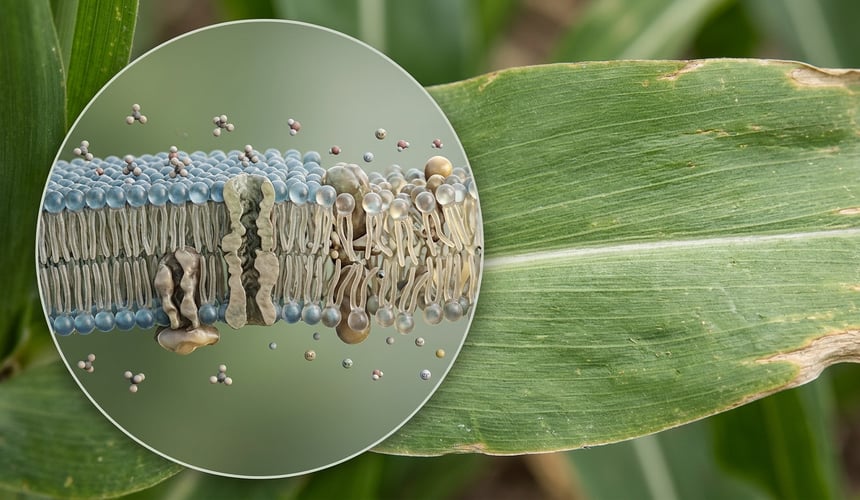
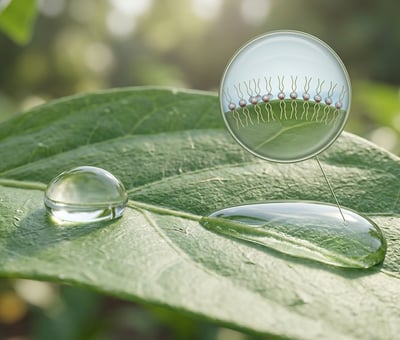
When drought or salinity sets in, the first visible signs in a crop are often wilting, leaf edge burn or slower growth. Less visible is what happens in the cell membrane, the thin lipid layer that separates the cell interior from its surroundings and keeps its compartments apart. Glycine betaine is a small, water-soluble compound that some plants accumulate under stress, and it is usually described as an osmolyte, a compound that helps cells manage water. For growers, the open question is whether glycine betaine does more for membranes than that osmotic role alone.
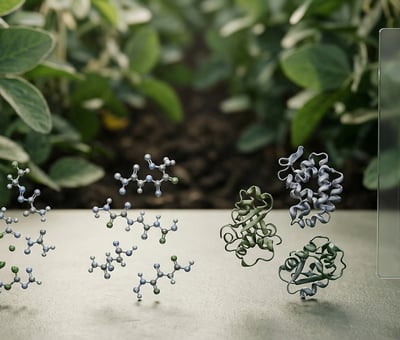
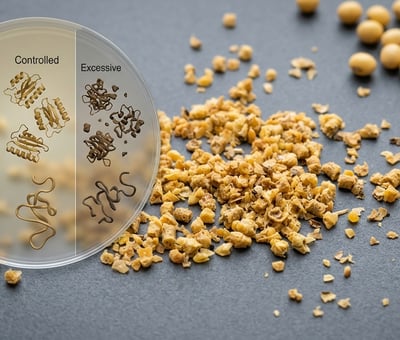
A recent review describes glycine betaine as contributing to the stabilization of membranes and macromolecules.[1] The proposed mechanisms involve interactions with membrane components and proteins, which may help limit the disorganization that stress can cause. Whether this role is significant in commercial crops is not yet demonstrated in the sources reviewed.
Cropenta Insight
The distinction between osmotic and membrane roles matters in practice. A plant that accumulates glycine betaine naturally does not demonstrate that an applied input will behave the same way in a crop. Research is also species-dependent: not all plants synthesize and accumulate glycine betaine, and effects vary with concentration and timing. Growers and advisers should treat membrane findings as physiological questions under study rather than as predictions of field performance.
What stress does to the membrane
Drought and salinity both push cells towards a state in which membranes lose their normal order. Under salt stress, for example, ions accumulate in the cell and the lipid layer can become more leaky. Oxidative stress adds to the problem, as reactive oxygen species can damage membrane lipids and proteins. Glycine betaine has been linked to the regulation of these reactive molecules, which is one reason its role is studied beyond water balance.[2]
Beyond osmotic adjustment
Osmotic adjustment is the best-known function of glycine betaine. By raising the concentration of solutes inside the cell, it can help cells keep water when the surrounding environment is dry or saline. Membrane stabilization is a separate question. Here, the proposed idea is that glycine betaine may help keep lipid bilayers and associated proteins functional, so that the cell can maintain its compartments and basic processes. Reviews describe this role across several abiotic stresses, including drought and salinity, but the evidence is largely drawn from laboratory and controlled-environment work, and its significance in field conditions is not yet demonstrated.[2, 3]
What the evidence does and does not show
Several limits apply. Glycine betaine accumulation varies between plants, and the response depends on the concentration and the moment of the stress. Osmotic adjustment does not automatically mean lower water use or higher yield, and a membrane-related effect in the cell does not show that a whole crop will perform better. Results also differ between studies, and field effects on membrane integrity are not yet demonstrated.
For a grower or adviser, the useful distinction is between what the plant does naturally and what an applied input may or may not do.
Technical Summary
Glycine betaine is known for its osmotic role, and reviews associate it with membrane and macromolecule stabilization under abiotic stress. Proposed mechanisms include interactions with membrane lipids and proteins and regulation of reactive oxygen species.
This article was created with the help of AI and reviewed by the Cropenta editorial team. It is general information, not professional advice.
Looking for something specific?
Our team is there to help you find the right raw materials and solutions for your formulations