Amino Acid Specialties
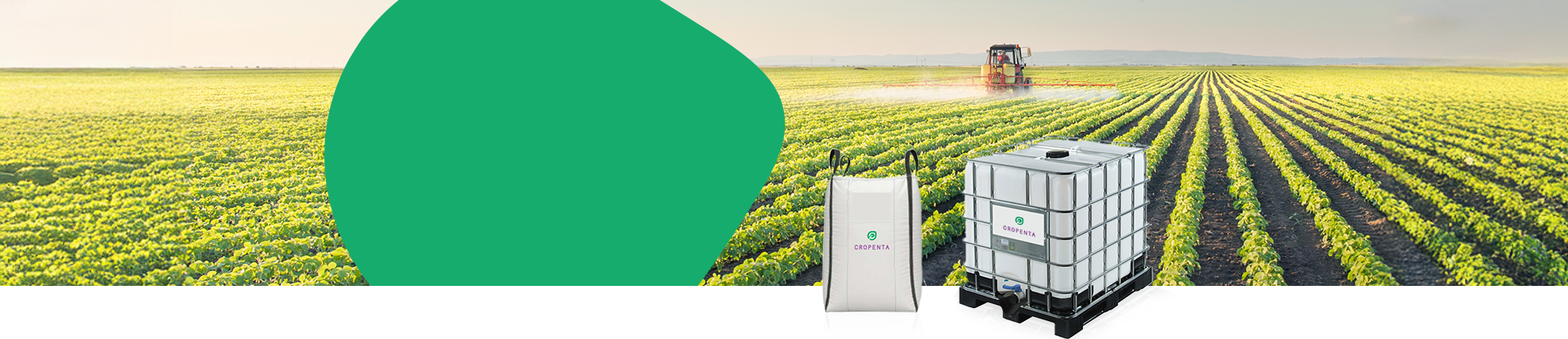
Amino acid specialties in powder or liquid available as raw material or white-label.
 Cropenta in 60 seconds

Technical
Expertise

Specialized
Inputs

Long-Term
Partnerships

Sustainable
Solutions
Amino acids list
There are so many amino acids on the market, how can you differentiate between all those products?
There is a distinction to be made in the raw and auxiliary materials used, the additives, the ballast substances (salt, heavy metals), and the production process of an amino acid producer. The optimal combination of all these factors determines the safety and effectiveness of the final amino acid product. Our amino acids have very high quality, balanced amino acid pattern, and a low percentage of ballast substances. Below we describe the functions of each individual amino acid.
There is a distinction to be made in the raw and auxiliary materials used, the additives, the ballast substances (salt, heavy metals), and the production process of an amino acid producer. The optimal combination of all these factors determines the safety and effectiveness of the final amino acid product. Our amino acids have very high quality, balanced amino acid pattern, and a low percentage of ballast substances. Below we describe the functions of each individual amino acid.
Alanine
Alanine is a non-essential amino acid used by the body to build proteins. In plants, alanine is a precursor of aromas and flavors and strengthens photosynthesis and chlorophyll formation. It also plays a role in stomatal opening. Alanine is needed for the metabolism of glucose and tryptophan and beta-alanine. Good sources of alanine are meat, poultry, fish, eggs, and dairy products, as well as avocado.Arginine
Arginine is important in treating cardiovascular diseases and high blood pressure and plays an important role in many metabolic processes. It strengthens the immune system and improves circulation. Furthermore, it plays an important role in removing ammonia from the body, in the release of hormones, cell division, and wound healing. In plants, arginine promotes a healthy root development and the formation of nitrogen reserves. Arginine is found in various types of meat and fish, as well as in yogurt, oatmeal, peanuts, and Dutch cheese.Asparagine
The name aspartic acid is derived from 'asparagus'. Aspartic acid plays an important role in forming other amino acids in the citric acid cycle. Because it removes excess ammonia and other toxins from the blood, it helps the liver. Additionally, aspartic acid is vital for neural health, the brain, and endurance. Aspartic acid contributes to the formation of nitrogen reserves in plants. Additionally, aspartic acid in plants enhances complex formation ability. Aspartic acid is found in meat, fish, vegetables, potatoes, seeds, nuts, and dairy products.Cystine
Cystine is required for efficient vitamin B6 utilization. It helps break down mucus deposits in conditions such as bronchitis and cystic fibrosis and also aids in healing burns. In plants, cystine plays a role in stress resistance and has a positive effect on the antioxidant capacity of plants. Cystine is primarily found in hair, digestive enzymes, skeletal, and connective tissue. Sources of cystine are meat, eggs, dairy products, and whole grains.Glutamine
Glutamine has a firming effect on the skin and regulates the acid-base balance. Moreover, glutamine boosts the immune system and is essential for hair formation. It also combats the storage of dietary fats. In plants, glutamine is involved in the formation of nitrogen reserves, it enhances the stress resistance, it plays a role in promoting photosynthesis, chlorophyll formation, and stomatal opening. Additionally, it increases pollen germination capacity. For example, cottage cheese, yogurt, eggs, soy, wheat, and milk contain glutamine.Glycine
Glycine is found in proteins in all living organisms and plays an important role in protein building. Glycine is the most abundant amino acid in the body, both in enzymes and proteins. Glycine is also freely found in plants and bodily fluids. In plants, glycine is involved in enhancing photosynthesis and chlorophyll formation. Additionally, glycine in plants is a precursor of aromas and flavorings. Furthermore, glycine in plants enhances complex formation ability. Glycine is mainly found in fish, beans, dairy products, and meat, but also in seaweed, chicken, and shellfish.Histidine
Histidine promotes the growth and repair of tissues in living beings. Histidine is also necessary for the production of red and white blood cells. In the stomach, histidine facilitates the production of gastric juices. In plants, histidine stimulates the antioxidant capacity. Sources of histidine are dairy, meat, poultry, fish, rice, wheat, and rye.Hydroxyproline
Hydroxyproline is primarily found in collagen and elastin. It is important for collagen firmness, which in turn is vital for strong connective tissue. Like proline, hydroxyproline in plants has a positive effect on stress resistance. Good sources of hydroxyproline are proteins, grains, chicken breast, and turkey. Since living organisms can synthesize it, hydroxyproline does not need to be taken as a supplement.Isoleucine
Isoleucine can play a role in promoting muscle recovery and is involved in blood clotting. It is also needed for regulating energy levels and blood sugar and for hemoglobin formation. Isoleucine is a plant precursor for aromas. Since the body cannot produce isoleucine, it must be obtained from food. Sources of isoleucine are eggs, soy, seaweed, turkey, chicken, lamb, cheese, and fish.Leucine
The body is unable to synthesize leucine. Therefore, it must be obtained from food or supplements. Leucine promotes muscle protein synthesis, blood sugar regulation, and plays a role in wound healing and growth hormone production. Brown rice, beans, nuts, and whole grains are sources of leucine. In plants, leucine, like isoleucine, is a precursor of aromas.Lysine
Lysine is involved in enhancing photosynthesis, chlorophyll formation, and stress resistance in plants. Additionally, it has a positive effect on the antioxidant capacity of plants and stomatal opening. Humans and animals cannot synthesize lysine and must obtain it from food. It is particularly found in meat, dairy products, and legumes. Lysine is used for protein synthesis and is also important for the synthesis of hormones, antibodies, and enzymes. Furthermore, lysine promotes the formation of strong connective tissue and healthy bones.Methionine
Methionine is vital for cartilage formation, strengthening nails, and preventing hair loss. It also aids in the breakdown of fats and digestion. Methionine is primarily found in fish, meat, vegetables, eggs, rice, and wholemeal bread. In plants, methionine contributes to good root development, enhances antioxidant capacity, and is a precursor of hormones. Methionine is also involved in regulating stomatal opening.Phenylalanine
For the brain's production of neurotransmitters like dopamine, norepinephrine, and adrenaline, phenylalanine is essential. It aids in memory and learning and has a positive mood effect. Cheese, soybeans, proteins in general, almonds, sesame seeds, and peanuts are important sources of phenylalanine. In plants, phenylalanine is a precursor of colorants.Proline
The body can synthesize proline from glutamic acid and therefore does not need to be obtained from food or supplements. Proline has a positive effect on skin structure and promotes collagen formation. Proline is considered important for maintaining joints, muscles, and tendons. Proline is mainly found in meat. In plants, proline is involved in enhancing stress resistance, photosynthesis, chlorophyll formation, pollen germination capacity, seed germination capacity. Additionally, proline is involved in nitrogen reserve formation, stomatal opening regulation, and osmoregulation. Furthermore, proline is a precursor of flavorings.Serine
The body can synthesize serine from glycine. Serine plays an important role in cell membrane formation and is a component of brain proteins. Additionally, serine is essential for tissue growth, fat metabolism, and the immune system, supporting the production of antibodies and immunoglobulins. Serine is abundant in meat, peanuts, dairy products, soy products, and wheat gluten. In plants, serine provides better stress resistance.Taurine
Large amounts of taurine are found in the body of mammals. Taurine plays a critical role in the development and function of muscles, retina, cardiovascular system, and central nervous system. Taurine is naturally found in the body, but the body can also synthesize taurine. Sources of taurine are meat, energy drinks, and fish. In plants, taurine promotes plant growth and the development of a healthy root system.Threonine
Threonine cannot be synthesized by the body and must be ingested through food or supplements. Threonine is essential for elastin, protein cell, and collagen formation. Threonine enhances nutrient uptake and conversion. Sources of threonine include beef, lentils, chickpeas, egg yolk, goat's milk, shrimp, nuts, soybeans, legumes, salmon, salami, and asparagus. In plants, threonine is involved in enhancing the antioxidant capacity of plants.Tryptophan
The brain uses tryptophan to produce serotonin, influencing sleep and mood. The body uses tryptophan as a raw material for protein synthesis. Good sources of tryptophan are linseed, bananas, cottage cheese, turkey, protein sources, fish, bread, chocolate, oats, meat, and milk. In plants, tryptophan is a precursor of hormones and is, like threonine, involved in stimulating antioxidant capacity thereof.Tyrosine
Tyrosine is abundantly found in insulin and can be synthesized by the body from phenylalanine. Tyrosine is crucial for cellular communication processes. It is the foundation for thyroid hormone production and the main raw material for melanin. Good food sources of tyrosine are protein-rich foods, such as seafood, poultry, fish, eggs, pork and beef, nuts, avocados, pumpkin seeds, oatmeal, and sunflower seeds. Tyrosine is a precursor of hormones in plants.Valine
Valine is found in large quantities in muscles. Valine stimulates tissue repair and growth and muscle metabolism. It is also necessary for maintaining the nitrogen balance in the body. Good food sources of valine are peanuts, soy, dairy, grains, mushrooms, and meat. In plants, valine plays a key role in stress resistance and is a precursor of aromas.


Whatsapp
Scan QR code to start a chat or click here.
How can we assist you?
Thank you, we have received your message and will contact you as soon as possible.