Microbial Fertilizers
 Cropenta in 60 seconds

Technical
Expertise

Specialized
Inputs

Long-Term
Partnerships

Sustainable
Solutions
Liquid Bacillus Inoculant
Liquid Bacillus inoculant is a relevant raw material category within modern microbial biostimulant formulations and organic microbiological fertilizer concepts. Bacillus-based inoculants are applied internationally as part of rhizosphere-focused strategies, with microbial interactions in the root zone at the center. For producers of biostimulants, specialty fertilizers, and microbiological inputs, sourcing a standardized liquid Bacillus inoculant is a strategic choice, aimed at formulation compatibility, stability, and consistent ingredient quality.
For professional microbial raw materials and Bacillus-based formulation applications, producers and formulators can contact us via the Cropenta contact form or view the online offerings on the website. Cropenta supports B2B partners worldwide with consistent sourcing of liquid Bacillus inoculant technologies, integrated into product concepts around rhizosphere activation and plant vitality.
The role of liquid Bacillus inoculants within microbial biostimulants
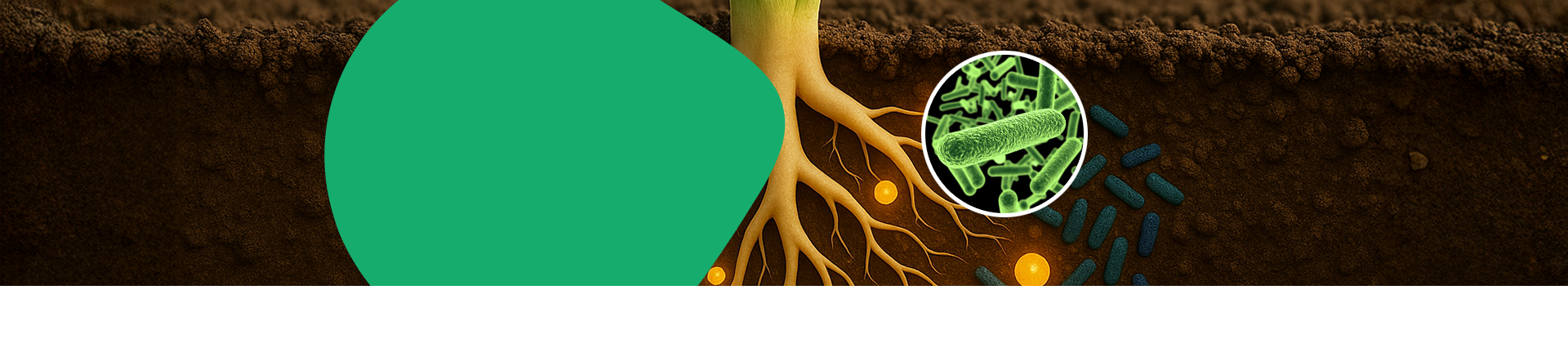
Bacillus is one of the most commonly used spore-forming bacterial groups within microbial biostimulant portfolios. The application of Bacillus inoculants focuses on the root zone, where microorganisms can be part of rhizosphere processes. Liquid formulations make it possible to process Bacillus strains in a user-friendly matrix, often in combination with organic carbon components.
A liquid Bacillus inoculant is typically selected for strain quality, stability, and compatibility with other ingredients. This is important for producers developing microbial biostimulant concepts for various cropping systems, from vegetables and fruits to field crops and tropical production systems.
Why liquid inoculant technology is relevant in modern cultivation strategies
The international agriculture sector faces variable climate conditions, changing soil conditions, and the need for more efficient input strategies. Within this context, microbial biostimulant concepts focused on supporting root zone processes and nutrient utilization are growing. Liquid Bacillus inoculants are therefore often included in formulations around rhizosphere interaction and plant vitality.
For producers and formulators, a liquid inoculant is an innovative ingredient category within sustainable crop input portfolios, applicable in horticulture, agriculture, floriculture, and tropical export crops.
Plant physiological background: Bacillus and rhizosphere processes
Bacillus strains are applied for their role within microbial interactions in the rhizosphere. Microbial metabolites and enzymatic activity can be part of processes that influence nutrient availability and support root environment. This way, Bacillus fits into formulations focused on rhizosphere activation and root architecture concepts.
It is important to position such applications as support for plant-soil interactions, without absolute claims about yield or disease reduction, but with emphasis on ingredient functionality and mechanisms.
Plant Stress Mitigation: application within supportive concepts
Liquid Bacillus inoculants are often linked in commercial portfolios to concepts around abiotic stress management strategies, such as drought, heat, or salt stress. The focus is on supporting root zone processes and metabolic stability as part of broader agronomic programs.
For formulators, it is essential that such applications are carefully integrated into product positioning, with emphasis on supporting mechanisms rather than direct result promises.
Main mechanisms associated with liquid Bacillus inoculants
- Rhizosphere interaction as part of root zone activation concepts
- Nutrient mobilization through microbial availability routes
- Support of root architecture within formulations
- Priming of stress signaling routes (ISR/ABA) in biostimulant strategies
- ROS management through indirect antioxidant support
- Osmoregulation-related applications in water balance concepts
- Photosynthesis stabilization as part of nutritional programs
Biostimulant raw materials & fertilizer specialties
Liquid Bacillus inoculants are often combined with other premium ingredients within integrated formulations:
- Microbial biostimulants (Bacillus, PGPR, Trichoderma)
- Seaweed extracts (Ascophyllum nodosum, Laminaria)
- Fulvic and humic acids
- Amino acids (all 20 free L-alpha-amino acids)
- Peptides and protein hydrolysates
- Chelated micronutrients (Fe, Zn, Mn, B)
- Calcium and magnesium specialties
- Postbiotics and microbial metabolites
- Organic Bacillus-based microbiological solutions in liquid carbon matrix
Synergy with amino acids and metabolic energy
Liquid Bacillus inoculants are often combined with amino acids in formulations. All 20 amino acids are relevant as metabolic building blocks within plant processes. Free amino acids are used within concepts aimed at supporting recovery routes and enzymatic activity.
Through the citric acid cycle (Krebs cycle), amino acids play a role in ATP energy management, while Bacillus-based ingredients are integrated into rhizosphere-focused strategies. This synergy forms a basis within premium biostimulant development.
International relevance of liquid Bacillus inoculants
Liquid Bacillus inoculant concepts are applied worldwide in programs for rice systems in China, corn, and soy in South America, greenhouse vegetables in Europe, fruit production in Africa, and tropical crops like banana and palm oil. This broad applicability makes Bacillus inoculant sourcing relevant for international agricultural input companies.
Commercial value for buyers and formulators
For buyers, sourcing liquid Bacillus inoculants revolves around standardization, formulation stability, and microbial quality. For formulators, this ingredient category offers opportunities to develop rhizosphere-focused product concepts, often in combination with extracts, amino acids, and micronutrient chelates.
Overview Table
| Mechanism | Effect | Cultivation Value |
|---|---|---|
| Rhizosphere interaction | Support root zone processes | Wide applicability |
| Nutrient mobilization | Microbial availability routes | Input efficiency concepts |
| Stress priming | Part of stress management strategies | Premium formulations |
| ROS management | Indirect antioxidant support | Plant vitality programs |
| Synergy with biostimulants | Combination with amino acids and extracts | Product differentiation |
Liquid Bacillus inoculant raw materials thus form an important building block within modern microbial biostimulant development. For producers and formulators, these solutions offer a technological basis for rhizosphere-focused formulations and integrated stress management concepts in global agricultural input markets.